
Once synonymous with unrest and isolation, New Delhi is witnessing a remarkable shift in the perception, and more importantly, the reality of India’s Northeast region. What was often relegated to security briefings is rapidly emerging as a vibrant economic hub, attracting substantial investment and becoming a key contributor to India’s overall growth story. This transformation, driven by strategic initiatives and a renewed focus on connectivity, is reshaping the future of the region and its people. The burgeoning economic potential of the Northeast promises a new era of prosperity and integration.
Unlocking the Economic Potential of Northeast India
For decades, the Northeast suffered from a lack of investment and infrastructure, contributing to a sense of disconnect from the Indian mainstream. This began to change with a focused effort to unlock the region’s inherent economic advantages. A landmark announcement came earlier in 2025 when Union Home Minister Amit Shah unveiled a massive $28 billion (Rs 2.5 lakh crore) investment package. This injection of capital is specifically designed to spur employment growth, offering young people viable opportunities within the region and mitigating the need for migration in search of work.
This wasn’t a one-time event. Flagship initiatives like the Rising North East Investors Summit have become central to attracting both domestic and international attention. These summits provide a platform for leaders, policymakers, and potential investors to connect and explore the region’s unique strengths, including its abundant natural resources and distinct cultural heritage. The impressive participation of delegations from over 80 countries at the 2025 summit underscores the growing global interest.
Key Investment Areas
The investment isn’t spread thinly. Several key sectors are receiving significant attention:
- Tourism: Leveraging the Northeast’s stunning landscapes for eco-tourism and sustainable travel.
- Renewable Energy: Harnessing hydropower and other clean energy sources to meet growing demand.
- Agriculture & Food Processing: Modernizing farming techniques and establishing processing units to add value to local produce.
- Manufacturing: Developing a lighter, more sustainable manufacturing base suited to the region’s strengths.
Alongside government initiatives, major corporations are demonstrating confidence in the Northeast’s future path, making substantial private sector commitments.
Infrastructure: The Game Changer for Regional Growth
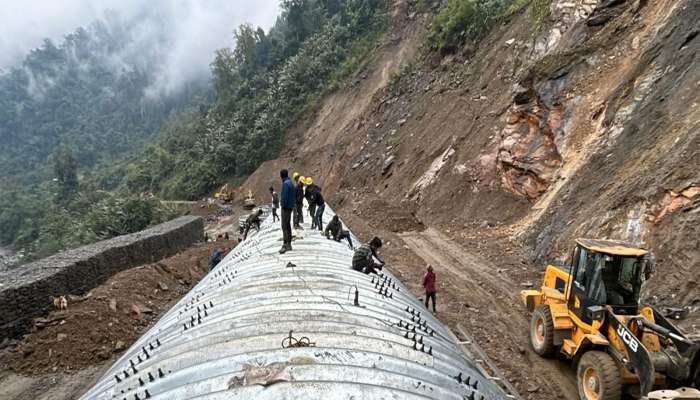
The most significant catalyst for this transformation has been an unparalleled emphasis on improving infrastructure. Connectivity, both physical and digital, is at the heart of integrating the Northeast with the rest of India and beyond.
The North Eastern Railway Connectivity Project is expanding rail networks rapidly, linking state capitals and facilitating the seamless movement of goods and people. Previously hampered by challenging terrain, this project is steadily overcoming logistical hurdles and opening up new economic corridors.
Moreover, initiatives focusing on enhancing road networks are complementing the rail expansion. This dual approach is crucial for reaching remote areas and supporting local businesses.
Beyond Domestic Links: The Act East Policy
The benefits of improved infrastructure extend beyond India’s borders. The India–Myanmar–Thailand corridor, a key component of the Act East Policy, is unlocking trade opportunities with ASEAN economies. This strategic initiative is positioning the Northeast as a vital gateway to Southeast Asia, transforming it from a perceived periphery into a crucial connection point. The commissioning of the Subansiri Lower Hydroelectric Project is another notable step, promising a substantial boost to power supply across the region and supporting industrial growth. This focus on energy infrastructure is fundamental for long-term sustainability.
Social and Cultural Integration: Building a Sense of Belonging
The transformation isn’t solely about economics. Alongside economic development, the Northeast is experiencing a powerful cultural renaissance, fostering greater social cohesiveness and a stronger sense of belonging within the Indian nation.
This integration is vital for ensuring that the benefits of growth are shared equitably among all communities. Increased cultural exchange programs, support for local arts and crafts, and initiatives celebrating the region’s diverse heritage are all contributing to this positive shift.
Empowering the Next Generation through Education
Educational advancements are playing a crucial role too. The emergence of thousands of new schools, specialized institutes, and skill-development centers is equipping the region’s youth with the tools they need to contribute to high-value sectors like technology, healthcare, and services. Investing in skill development assures a skilled workforce to drive economic momentum.
The Digital Revolution and Northeast India
Digital infrastructure is also undergoing a remarkable upgrade, extending high-speed internet and mobile connectivity to even the most remote villages and towns. This digital inclusion empowers citizens with access to education, healthcare, and e-commerce opportunities, opening up a world of possibilities previously unavailable.
The Northeast is rapidly becoming a potential digital corridor linking India to its eastern neighbours. This, coupled with improved transport networks, is opening up new markets for local innovators and enabling greater participation in the digital economy.
A New Chapter for the Northeast
The cumulative effect of these multifaceted efforts is undeniable. The Northeast’s share of India’s GDP is steadily rising, reflecting a more vibrant and diversified economic landscape. From eco-tourism to renewable energy and high-tech industries, the region is successfully leveraging its unique advantages while preserving its cultural and ecological identity.
The journey of the Northeast from a region often associated with alienation to one characterized by opportunity and ownership is a powerful narrative of progress. It is no longer simply a topic of security concerns, but is increasingly recognized for its vital contributions to India’s economic, cultural, and strategic objectives. This success is not accidental. It’s the outcome of sustained policy focus, inclusive governance, a committed investment in people and infrastructure, and, crucially, the determination of the Northeast’s youth to build a future at home.
As India advances towards global leadership, the Northeast serves as a compelling example of what can be achieved when a region is not viewed as a problem to be managed, but as an opportunity waiting to be unlocked. This ongoing transformation signals a brighter, more integrated future for Northeast India and for the nation as a whole.