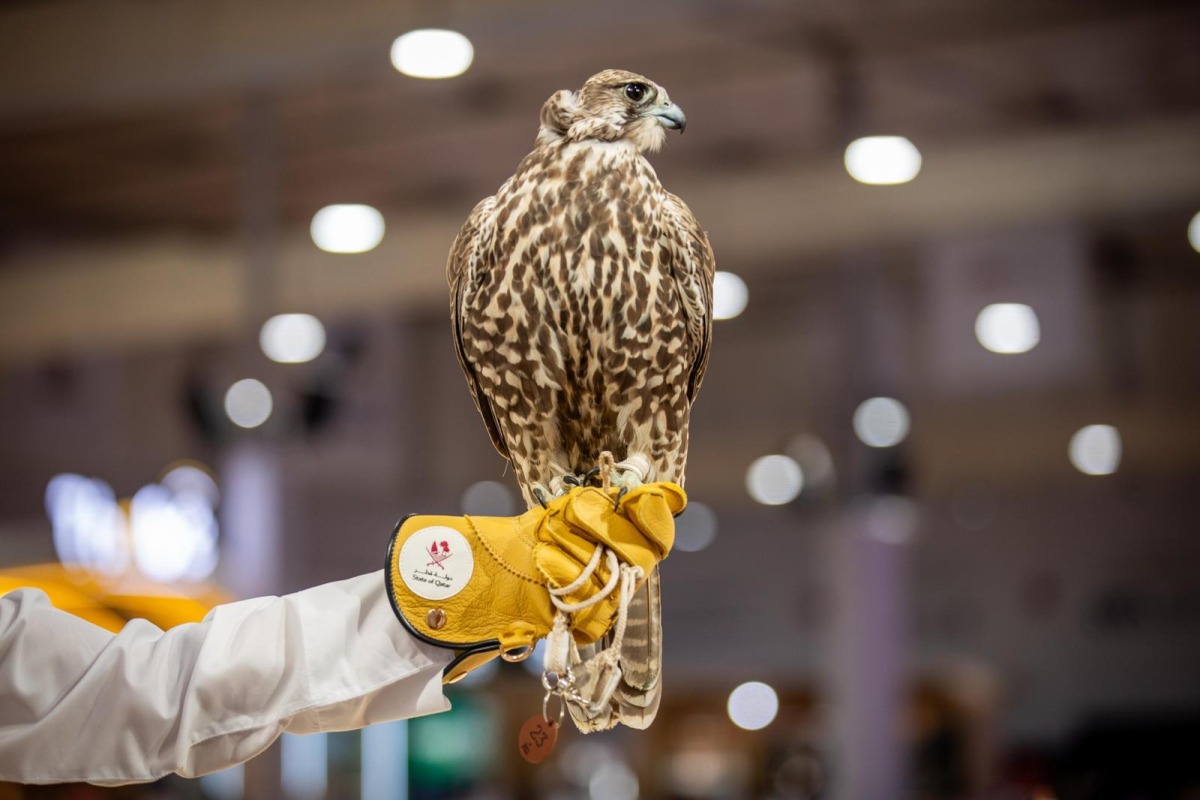

The 17th edition of the Qatar International Falconry and Hunting Festival (Marmi 2026) begins today, January 1, 2026, in Sealine. The annual festival, held under the patronage of H.E. Sheikh Joaan bin Hamad Al Thani, will run until January 24, 2026, and aims to preserve and promote falconry as a vital part of Qatari and Gulf heritage. Supported by the Social and Sports Activities Support Fund “Daam”, Marmi attracts falconers and enthusiasts from across the region and internationally.
The festival takes place at the Marmi Sabkha in Sealine, a location chosen to reflect the traditional environment of falconry. Qatar successfully registered falconry on UNESCO’s Representative List of the Intangible Cultural Heritage of Humanity in 2011, solidifying its commitment to safeguarding this practice. This recognition underscores the cultural significance of falconry, not just within Qatar but globally.
Preserving a Cultural Tradition: The Importance of the Qatar International Falconry and Hunting Festival
Falconry has deep roots in the Arabian Peninsula, historically serving as a means of hunting for sustenance and a symbol of status and skill. The Marmi Festival plays a crucial role in maintaining this heritage for future generations. According to festival organizers, the event provides a platform for falconers to showcase their expertise and connect with others who share their passion.
Mutaib Mubarak Al-Qahtani, Director of the Al-Qannas Association Championships and Chairman of the Marmi Festival, emphasized the festival’s importance as an annual event for falconers. He stated the festival serves as a vital platform for preserving a cherished heritage integral to the region’s environment. The festival also aims to present this heritage in an accessible way, promoting sustainability and responsible falconry practices.
New Visual Identity and Championship Highlights
This year’s festival features a redesigned visual identity inspired by Qatar’s rich history and landscape. The festival site’s architecture draws inspiration from historical Qatari towers, and its color palette reflects the natural environment. This aesthetic update aims to enhance the visitor experience and further connect the festival to its cultural context.
The festival will kick off with the “Haddad AlTahadi” championship, a highly anticipated competition attracting falconers from Qatar and the Gulf region. This event pits young falcons against racing pigeons, offering a substantial prize of 100,000 riyals to the winner, along with qualification for the final round. The competition is expected to be particularly fierce this year, with 18 groups participating.
Additionally, the festival schedule includes the Promising Falconer Championship and qualifiers for the Saluki Racing Championship on January 3rd, and further Saluki Racing events on January 17th. These diverse competitions highlight the breadth of traditional hunting practices celebrated at Marmi. The inclusion of Saluki racing demonstrates the festival’s commitment to showcasing a range of hunting traditions.
However, the festival is not solely focused on competition. It also provides educational opportunities and promotes responsible falcon breeding. Organizers aim to raise awareness about the importance of conservation and ethical practices within the falconry community. This focus on sustainability is increasingly important as falconry gains international recognition.
Meanwhile, the festival continues to attract international attention, drawing visitors interested in learning about falconry and its cultural significance. This influx of tourism contributes to Qatar’s growing reputation as a center for cultural preservation and heritage tourism. The event also provides a boost to the local economy through hospitality and related services.
Looking ahead, the success of Marmi 2026 will be measured by its ability to attract participants and visitors, promote responsible falconry practices, and further solidify Qatar’s position as a guardian of this important cultural tradition. Organizers will likely assess visitor feedback and competition results to inform planning for future festivals, with the next edition tentatively scheduled for early 2027. The long-term impact of the festival on Qatari culture and the broader falconry community remains to be seen.