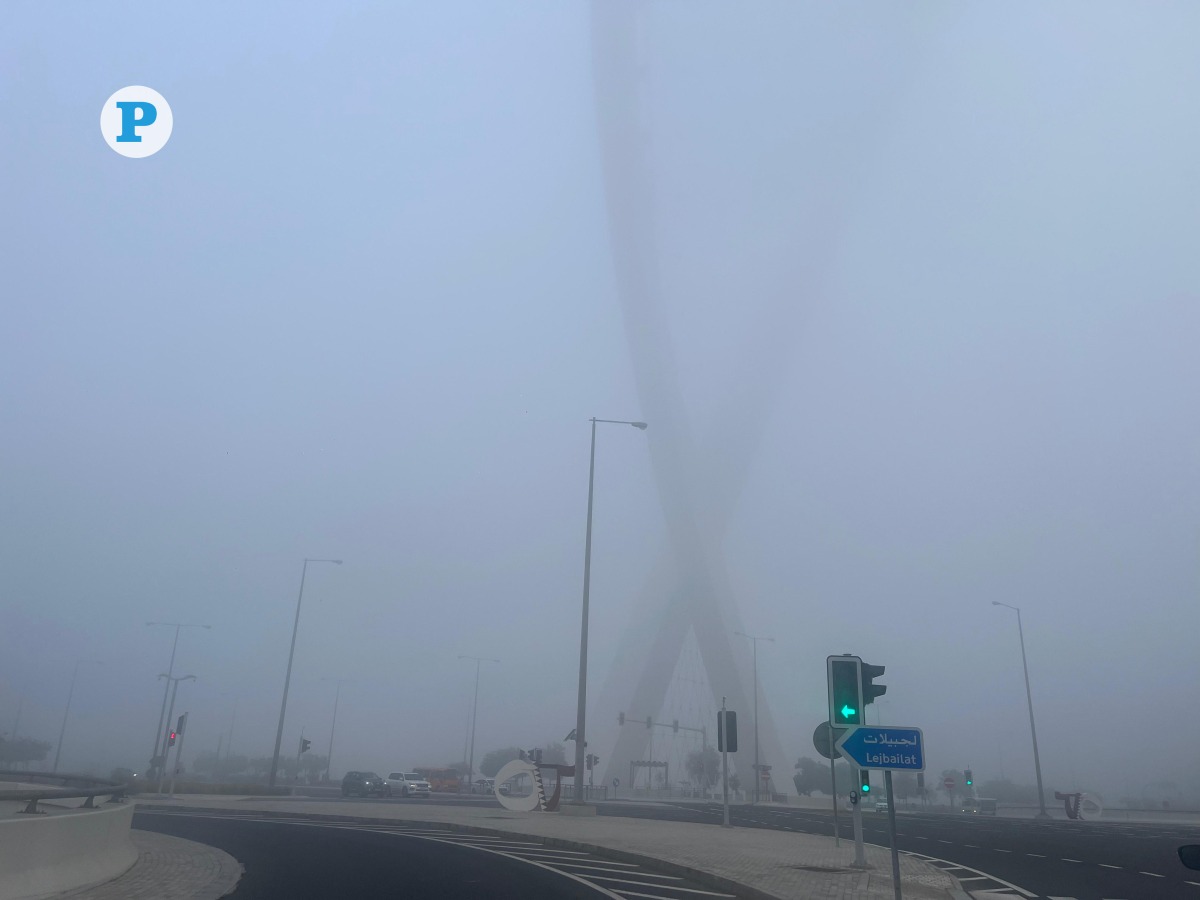

Doha, Qatar – Residents of Qatar are experiencing continued cold temperatures and dense fog as the Al-Shola star period commenced on January 2, 2026, according to the Qatar Meteorology Department. This seasonal marker, lasting 13 days, signals the final stages of winter and is traditionally associated with the region’s coldest temperatures and increased instances of low visibility. The recent conditions have already caused disruptions, particularly during early morning commutes.
The Meteorology Department announced the start of Al-Shola via its official social media channels, explaining its significance within the broader winter season. The period follows the Al Mraba’aniya phase, known for its particularly frigid weather. Current conditions include near-zero visibility in some areas, as evidenced by reports near Al Wahda Arches in Onaiza on Tuesday morning.
Understanding the Al-Shola Period and Fog Formation
Al-Shola is considered the third star of the winter season in Qatar’s traditional astronomical calendar. This system, rooted in historical observations of star positions, provides a framework for understanding seasonal changes and predicting weather patterns. The department emphasizes that Al-Shola doesn’t directly *cause* the cold, but rather marks a time when colder air masses are more likely to settle over the region.
The Link Between Temperature and Visibility
The colder temperatures associated with Al-Shola create ideal conditions for fog formation. When warm, moist air comes into contact with a cold surface, condensation occurs, resulting in the formation of water droplets suspended in the air. This is particularly common in Qatar during the winter months due to the proximity of warm sea temperatures and cooler landmasses. Additionally, calm wind conditions exacerbate the issue, preventing the dissipation of the fog.
Meteorologists note that the current fog is not unusual for this time of year, but its density is noteworthy. The Qatar Meteorology Department has issued advisories urging drivers to exercise extreme caution, reduce speed, and use fog lights when visibility is reduced. They also recommend checking weather updates before traveling, especially during the early morning hours.
However, the impact extends beyond road travel. Hamad International Airport has experienced minor delays due to reduced visibility, though operations have largely remained unaffected. The Ministry of Interior has increased patrols in areas prone to fog to assist motorists and ensure road safety. The report indicates that schools have not yet announced any changes to schedules, but the situation is being monitored closely.
In contrast to previous years, the current Al-Shola period is occurring amidst a broader pattern of global climate variability. While Qatar experiences its typical winter cold, other regions are facing unusually warm temperatures. This highlights the complex interplay of local and global weather systems. The department is actively monitoring these broader trends to refine its forecasting models.
The Al-Shola period also has cultural significance in Qatar, traditionally influencing agricultural practices and daily routines. Historically, communities would prepare for the coldest days by ensuring adequate supplies and adjusting work schedules. While modern life has lessened this direct impact, the period remains a recognized marker of the season. The department continues to share information about traditional weather knowledge alongside its scientific forecasts.
Looking ahead, the Al-Shola period is expected to conclude around January 15, 2026. The Meteorology Department will continue to monitor weather conditions and provide updates as needed. The duration and intensity of the fog will depend on future temperature fluctuations and wind patterns, making accurate long-term predictions challenging. Residents should remain vigilant and prepared for potential disruptions due to low visibility throughout the remainder of the period.