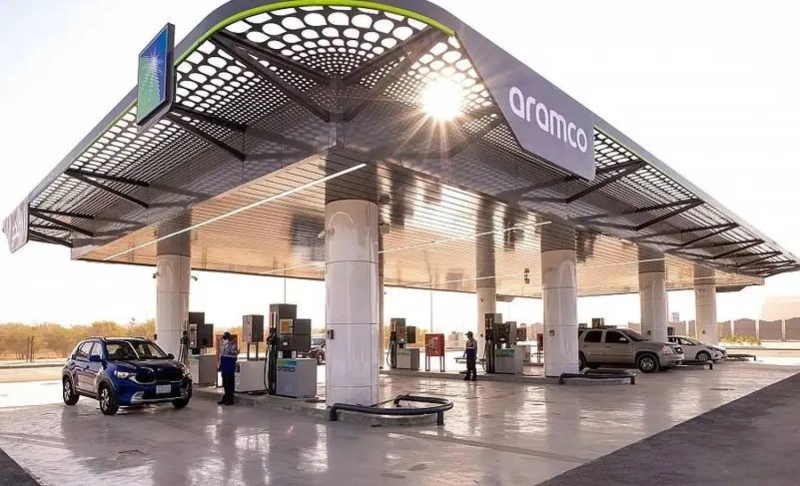

Saudi Aramco has announced an increase in diesel prices within the Kingdom, raising the cost to SR1.79 per liter. This 7.8 percent hike, published on the company’s website on Thursday, impacts businesses and consumers reliant on diesel fuel. The price adjustment comes as part of Aramco’s regular annual review of diesel costs, a practice implemented as part of broader economic reforms.
The increase takes effect immediately and represents the fifth adjustment since Saudi Aramco began its annual pricing mechanism in 2022. This change continues a trend of rising fuel costs in the country, impacting sectors like transportation, agriculture, and construction. This latest revision reflects ongoing efforts to align domestic fuel prices with international market conditions.
Understanding the Recent Diesel Price Increase
The annual diesel price review is a key component of Saudi Arabia’s strategy to refine its energy subsidy system and foster fiscal sustainability. Prior to 2015, Saudi Arabia maintained artificially low diesel prices for decades, capped at SR0.25 per liter. These subsidies placed a significant burden on the government budget, particularly as global fuel prices fluctuated.
However, in December 2015, the government initiated reforms, raising diesel prices by 80 percent to SR0.45 per liter. This initial increase sought to temper domestic consumption and reduce the financial pressure on state resources. Subsequent price adjustments were linked to the introduction and increases of the value-added tax (VAT.)
Historical Context of Fuel Pricing in Saudi Arabia
The introduction of VAT at 5 percent in 2018 saw a further increase in diesel prices, reaching SR0.47 per liter. The rate then rose to 15 percent in mid-2020, leading to another 10 percent rise in diesel costs, settling at SR0.52 per liter.
These incremental changes preceded the formal adoption of the annual review. The first annual review in 2022 set the price at SR0.63 per liter, gradually increasing to SR0.75 in 2023, SR1.15 in 2024, and SR1.66 in 2025, culminating in the current SR1.79 per liter price for 2026.
The move toward a more market-reflective pricing system wasn’t solely driven by economic pressure. It also aligns with Saudi Arabia’s Vision 2030, a strategic framework aimed at diversifying the economy and reducing reliance on oil revenue. Reducing fuel subsidies allows for investment in other critical sectors.
Analysts suggest the current increase is influenced by a complex interplay of factors. These include fluctuating global crude oil prices, seasonal demand for diesel fuel, and broader economic considerations within Saudi Arabia’s national budget. The price of crude oil has seen volatility in recent months, according to reports from the Energy Information Administration (EIA).
The impact of higher diesel prices is expected to be felt across several economic sectors. Transportation costs, already a concern due to global supply chain disruptions, will likely increase. This could translate into higher prices for goods and services, contributing to inflationary pressures within the Kingdom.
Additionally, industries heavily reliant on diesel for operations – such as construction, agriculture, and logistics – may experience reduced profit margins or be forced to pass on costs to consumers. The extent of this impact will depend on companies’ ability to absorb the price increase or implement cost-saving measures. The Kingdom’s economic diversification plans—particularly in manufacturing and tourism—may experience indirect consequences from these costs.
The Saudi government continues to monitor the economic effects of fuel price adjustments. While the long-term goal is to establish a more sustainable energy market, policymakers are also mindful of mitigating potential negative impacts on vulnerable segments of the population. The government has previously implemented social welfare programs to cushion the effects of subsidy reductions.
Looking ahead, Saudi Aramco is scheduled to conduct its next annual diesel price review at the beginning of 2027. The ultimate price will depend on prevailing market conditions at that time. Factors to watch include global oil prices, the trajectory of VAT rates, and any further adjustments to the Kingdom’s energy subsidy policies. The ongoing geopolitical situation also presents a level of uncertainty for future fuel costs.