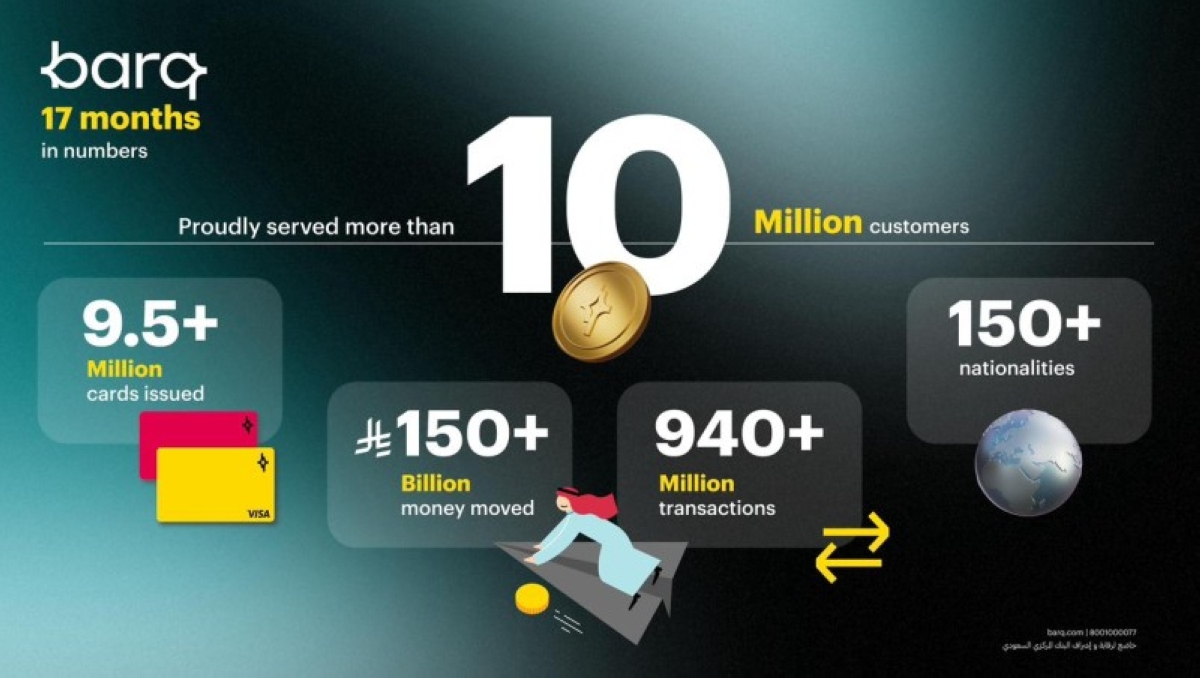

Saudi Arabia’s digital payment sector continues its dramatic expansion, and barq is rapidly emerging as a major player. The digital wallet has reached over 10 million users in just 17 months, a growth rate exceeding other competitors in the region. This surge in popularity coincides with a more than twentyfold increase in the Kingdom’s overall e-payment volume since 2020.
The unprecedented adoption of barq, which hit one million users within 21 days of launch and seven million within a year, demonstrates the accelerating shift towards cashless transactions in Saudi Arabia. The company operates under a license from the Saudi Central Bank (SAMA) and focuses on serving both individuals and small-to-medium enterprises (SMEs). These gains are occurring as Saudi Arabia pushes forward with its Vision 2030 plan, aiming to modernize the nation’s financial infrastructure.
The Rise of Digital Wallets and Barq’s Rapid Growth
The broader context of Saudi Arabia’s digital transformation is essential to understanding barq’s success. According to data released by the Saudi Payments Company, the total value of the Kingdom’s e-payments sector has grown from approximately SR9 billion ($2.4 billion) in 2020 to nearly SR315 billion ($84 billion) by the end of 2024. This expansion is fueled by government initiatives promoting digital inclusion and reducing reliance on cash.
Several factors contribute to market penetration of digital wallets, including convenience, security, and access to a range of financial services. Barq differentiates itself by prioritizing a mobile-first user experience and targeting the significant SME segment. This focus has allowed it to quickly gain traction amongst a demographic heavily reliant on easy and affordable payment solutions.
Key Growth Statistics for Barq
Barq’s growth has consistently outpaced projections:
- One Million Users: Achieved in 21 days.
- Seven Million Users: Reached in under one year of operation.
- Ten Million Users: Surpassed within 17 months.
The swift user acquisition rate suggests strong network effects at play. As more individuals and businesses adopt barq, its utility and appeal increase, driving further adoption. This also provides data suggesting increasing fintech adoption within the country.
Impact on Saudi Arabia’s Financial Landscape
The increasing popularity of platforms like barq aligns with Saudi Arabia’s Vision 2030, a strategic framework designed to diversify the economy and reduce dependence on oil. A key objective of Vision 2030 is to create a more inclusive and efficient financial system.
One critical component of this vision is enhancing financial inclusion, particularly among underserved populations. Digital wallets provide access to financial services for individuals who may not have traditional bank accounts, fostering broader economic participation. Furthermore, improvements in digital payments streamline transactions and reduce costs for businesses.
However, the rapid growth also introduces challenges. Maintaining robust cybersecurity measures is paramount to protecting user data and preventing fraud. The Saudi Central Bank (SAMA) plays a crucial role in overseeing the regulatory framework for digital wallets and ensuring their stability.
The success of barq isn’t confined to Saudi Arabia, with the company reporting accelerating adoption beyond national borders. This expansion indicates a broader opportunity for the company to become a regional leader in the digital payments space and solidify its position in the Middle Eastern e-commerce market.
Looking ahead, barq is expected to continue expanding its services and user base. The company’s leadership has indicated plans to integrate new features and partnerships to further enhance the platform’s value proposition. Ongoing monitoring of SAMA regulations and potential new entrants into the digital wallet market will be crucial to assess barq’s long-term sustainability and growth trajectory.