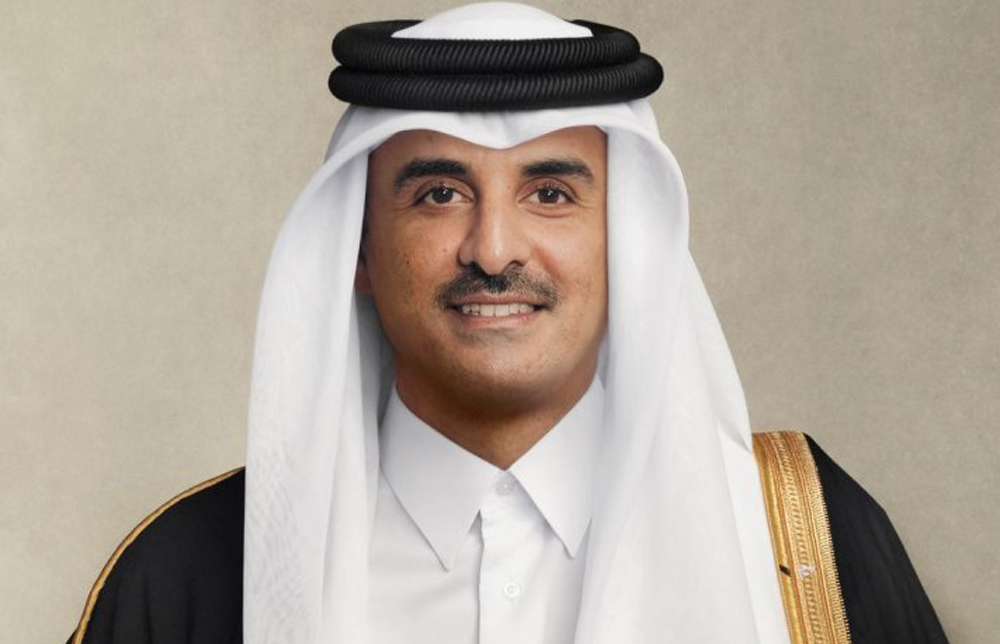

Doha, Qatar – A telephone conversation between Amir Sheikh Tamim bin Hamad Al-Thani of Qatar and Crown Prince Mohammed bin Salman of Saudi Arabia took place on Thursday, focusing on bolstering Qatar Saudi relations and addressing pressing regional concerns. The discussion, reported by Qatari state news agency QNA, signals continued efforts to maintain dialogue between the two Gulf nations amidst complex geopolitical dynamics. Both leaders emphasized the importance of collaboration for stability in the region.
The call, initiated by Sheikh Tamim, touched upon various issues of mutual interest, including recent developments in international affairs and efforts to de-escalate tensions in neighboring countries. While specifics of the conversations weren’t disclosed, the fact that this direct communication occurred is noteworthy given past periods of strained ties. This engagement suggests a desire for consistent communication to prevent misunderstandings and promote cooperation.
Strengthening Qatar Saudi Relations Through Dialogue
Historically, Qatar and Saudi Arabia have navigated a complex relationship marked by periods of close cooperation and significant disagreement. The recent call represents a continuation of the thaw initiated in 2021, following the resolution of a diplomatic dispute that lasted over three years. According to analysts at the Middle East Institute, maintaining this dialogue is crucial for the long-term stability of the Gulf Cooperation Council (GCC).
The 2021 Al-Ula agreement, brokered with the assistance of Kuwait and the United States, formally ended the blockade imposed on Qatar by Saudi Arabia, the United Arab Emirates, Bahrain, and Egypt. The blockade, which began in 2017, centered on accusations that Qatar supported terrorism and had overly close ties with Iran – allegations Qatar consistently denied. Re-establishing diplomatic ties and resuming trade routes have been key priorities since the agreement.
Regional Implications and Shared Interests
Beyond bilateral matters, the leaders likely discussed broader regional security issues, particularly concerning Yemen and the ongoing efforts to find a lasting political solution. Both Qatar and Saudi Arabia have been involved in the Yemen conflict, albeit on different sides, creating potential for collaboration regarding humanitarian aid and ceasefire initiatives. Diplomatic sources indicate a shared desire to see a peaceful and stable Yemen.
Furthermore, the discussions likely included the evolving situation in the Horn of Africa and the implications of the war in Ukraine. These global events have significant economic and security consequences for Gulf states, increasing the need for coordinated policy responses. The energy market, a key component of both economies, is particularly sensitive to shifts in the global landscape.
However, differences in approach to regional issues still exist. Qatar maintains relationships with various actors, including those considered adversaries by Saudi Arabia, a factor that sometimes complicates their cooperation. Analysts point to differing perspectives on the role of Islamist movements in the region as a continuing point of divergence. The foreign policy visions of these two major Gulf powers aren’t perfectly aligned.
Despite these nuances, the renewed emphasis on dialogue reflects a recognition of the benefits of cooperation. Increased economic ties, including joint investments and trade, are expected to be a key outcome of this improved relationship. The Qatar Investment Authority and Saudi sovereign wealth fund, the Public Investment Fund, have previously explored potential collaborative projects, and further announcements are anticipated. This collaboration extends to areas like tourism and infrastructure projects.
The exchange also comes at a time when both nations are actively seeking to diversify their economies away from oil. The Saudi Vision 2030 and Qatar National Vision 2030 both prioritize economic diversification and sustainable development. Strengthening bilateral economic ties will be vital for achieving these long-term goals and promoting Gulf cooperation.
Looking ahead, continued engagement at the highest levels will be essential for sustaining momentum in Qatar-Saudi relations. While no immediate follow-up meetings have been announced, observers expect further dialogue in the coming months, potentially coinciding with upcoming regional summits. The success of these efforts will depend on navigating existing differences and focusing on areas of common ground, particularly concerning regional security and economic development.
The effectiveness of these diplomatic efforts and the extent of future collaboration remain to be seen, but the recent phone call signals a positive trajectory for the relationship between Doha and Riyadh.