
Kuwait’s energy sector experienced a year of significant growth and transformation in 2025, marked by substantial hydrocarbon discoveries, strategic international partnerships, and continued investment in domestic infrastructure. This period solidified Kuwait’s position as a key player in the global energy landscape, despite facing operational challenges. The discoveries and advancements throughout the year demonstrate a commitment to both traditional energy production and a forward-looking approach towards sustainability and diversification. This article will delve into the key developments that defined Kuwait’s oil and energy sector in 2025.
Major Hydrocarbon Discoveries Fuel Growth
The year began with a promising start with the discovery of significant hydrocarbons at the Al-Julaia offshore field in January. This discovery signaled Kuwait’s continued potential for expanding its reserves. Further bolstering this positive trend, a new oil find was jointly announced with Saudi Arabia in May at the North Wafra field (Wara-Burgan).
These discoveries weren’t isolated incidents. Kuwait Oil Company (KOC) achieved commercial production at the Mutriba oil field in September, adding to the nation’s output capacity. October saw the unveiling of the Jazza offshore gas field, a particularly noteworthy achievement as it recorded the highest vertical well output in Kuwait’s history. These finds collectively contribute to Kuwait’s long-term energy security and export potential. The increased oil production capacity is a key driver for economic growth.
Expanding International Partnerships and Investments
Kuwait actively strengthened its international ties throughout 2025, expanding its operations and forging new partnerships across the globe. Kuwait Petroleum International (KPI) strategically acquired Italian companies Agriver and Arma, aiming to enhance its capabilities in low-carbon technology. This move demonstrates a commitment to adapting to the evolving global energy transition.
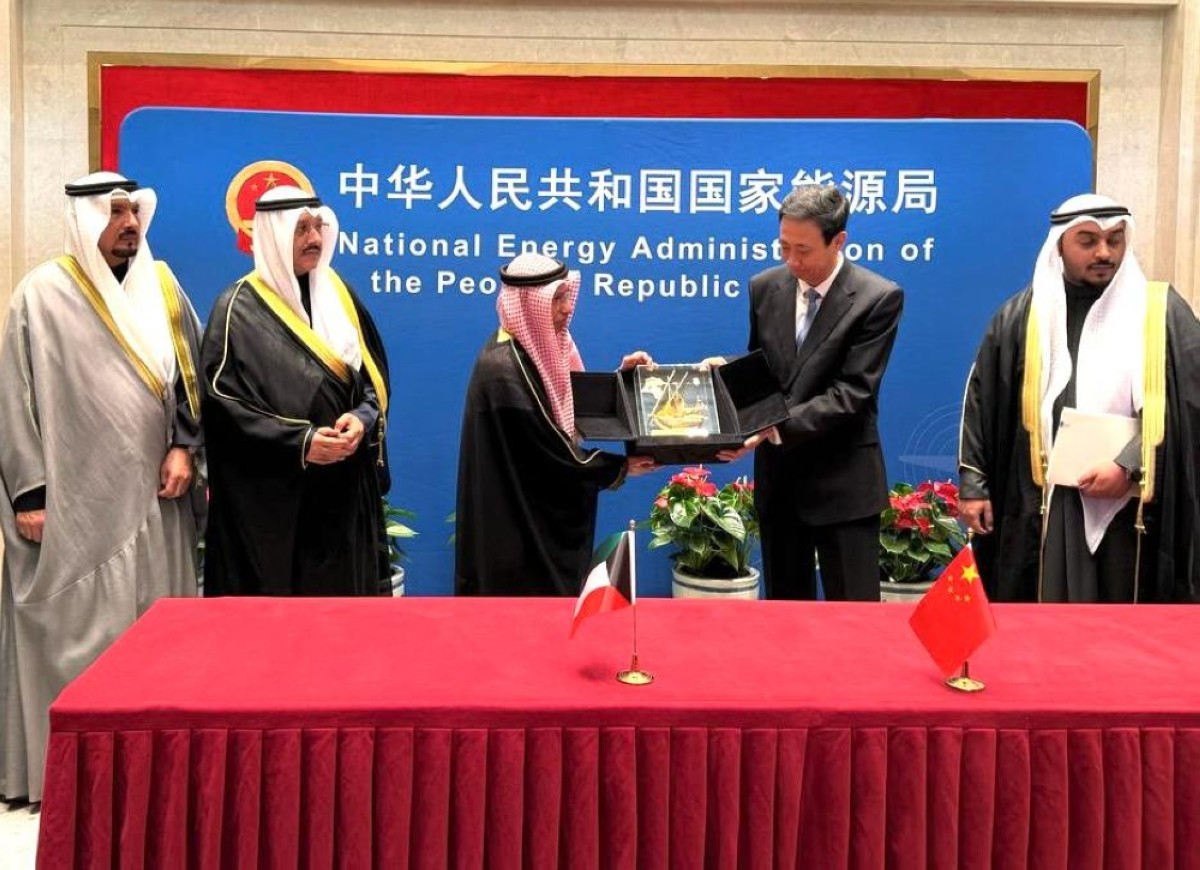
Furthermore, KPI launched major new service stations in Luxembourg, expanding its retail presence in Europe. A significant partnership with China materialized in March with a framework agreement focused on renewable energy cooperation. Perhaps the most substantial investment was a 25 percent stake in Yantai petrochemical plants – the largest Kuwaiti investment to date in China’s burgeoning petrochemical sector. Additionally, technical service agreements with Shell were extended, focusing on improving operational efficiency and knowledge transfer. These collaborations highlight Kuwait’s proactive approach to global energy markets and its desire for diversified investment. Energy cooperation is a cornerstone of Kuwait’s foreign policy.
Domestic Infrastructure Development and Corporate Consolidation
Domestically, Kuwait focused on strengthening its energy infrastructure and streamlining its corporate structure. Kuwait National Petroleum Company (KNPC) initiated a full merger of Kuwait Integrated Petroleum Industries Company (KIPIC) into its operations, aiming to create a more integrated and efficient national oil company.
Progress continued on the crucial Al-Zour North power plant project, with phases two and three signed in August in collaboration with Aqua Power and the Gulf Investment Corporation. This expansion is vital for meeting Kuwait’s growing electricity demands. KPC reported a net profit of approximately $4.4 billion for the 2024/2025 fiscal year, demonstrating the financial health of the sector.
Environmental Sustainability Initiatives
Alongside economic growth, Kuwait demonstrated a commitment to environmental responsibility. The nation joined the World Water Organization, signaling its dedication to sustainable water management. The Umm Al-Aish LPG filling plant achieved certifications from the Gulf Organization for Research & Development, recognizing its adherence to high environmental standards. These initiatives are crucial for mitigating the environmental impact of Kuwait’s energy industry.
Kuwait’s Role on the Global Stage & Operational Challenges
Kuwait actively participated in and hosted numerous high-level energy forums throughout the year, reinforcing its position as a regional energy leader. These included the 115th Ministerial Meeting of the Arab Energy Organization, GCC Power 2025, the 8th Youth Energy Forum, and meetings under the auspices of OAPEC and OPEC+ concerning production levels and sustainability. Kuwaiti officials also engaged in discussions at COP30 in Brazil, contributing to global climate change efforts.
However, the year wasn’t without its challenges. An explosion at the Aqaila C substation in April resulted in a 17 MW power loss, while a fire at a KNPC facility in May tragically led to one fatality and four injuries. Another fire in August impacted the water network enhancement project. Despite these incidents, the sector prioritized safety, training, and resilience, culminating in KNPC receiving IFSAC certification to operate as an international firefighter training center.
Looking Ahead: A Future Built on Innovation and Sustainability
The year 2025 was a pivotal one for Kuwait’s oil and energy sector, characterized by significant discoveries, strategic partnerships, and a commitment to both growth and sustainability. The recognition received by KOC – four strategic awards from International Business magazine for excellence in sustainability, safety, and operational standards – underscores the sector’s dedication to innovation and global engagement.
As Kuwait moves forward, continued investment in technology, diversification of energy sources, and a steadfast commitment to environmental responsibility will be crucial for maintaining its position as a leading energy producer and a responsible global citizen. The advancements made in 2025 provide a strong foundation for a future defined by sustainable growth and energy security.