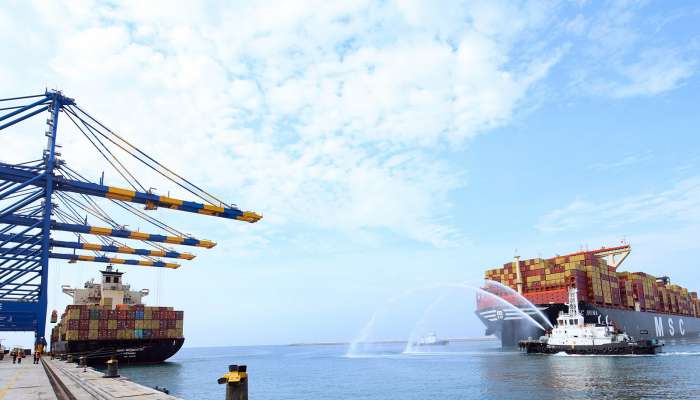

The global crude oil market is bracing for a prolonged period of pressure, with analysts forecasting a sustained imbalance between supply and demand well into 2026. Despite potential geopolitical disruptions, a confluence of factors – including surging production from outside OPEC+, swelling inventories, and a slower-than-anticipated increase in global demand – is expected to keep prices range-bound and leaning towards bearish territory. This outlook has significant implications for energy-importing nations like India, impacting fuel costs and economic planning.
Oversupply Dominates the 2026 Crude Oil Forecast
The overarching theme for crude oil in 2026 is a shift towards chronic oversupply. Vandana Bharti, AVP, Commodities Research at SMC Global Securities, succinctly puts it: “The 2026 outlook for crude oil is defined by a transition into a period of chronic oversupply.” Production is projected to consistently exceed demand, potentially leading to a surplus of 2 to 4 million barrels per day (bpd). This isn’t a temporary blip; it’s a structural change in the market.
Several key drivers are fueling this increased supply. The United States, alongside Brazil and Guyana, are relentlessly increasing their output, operating largely outside the constraints of the OPEC+ agreement. Simultaneously, global demand isn’t keeping pace. Evolution in transportation, particularly the growing adoption of electric vehicles (EVs), and shifts in global trade policies are all diminishing the need for fossil fuels. A cooling manufacturing sector further dampens demand expectations.
Growing Inventory Levels Add to Price Pressure
The anticipated oversupply is already manifesting in rising global inventories. Bharti notes that stockpiles reached four-year highs in late 2025 and are expected to continue accumulating, increasing by another 2.2 million bpd throughout 2026. This substantial inventory overhang will inevitably exert downward pressure on prices. The sheer volume of available oil will create a buyers’ market, limiting the potential for significant price increases.
OPEC+ Influence Wanes Amidst Market Realities
While OPEC+ continues to manage production levels in an attempt to defend price floors, its ability to significantly impact the market is diminishing. The group recently paused further output hikes, but analysts suggest this may not be enough to counteract the powerful forces at play.
Prathamesh Mallya, Deputy Vice President, Research Commodities and Currencies at Angel One, points out that earlier voluntary production cuts by OPEC+ in 2025 weren’t sufficient to stem the tide. “Brent and WTI have experienced significant declines compared with prior years. OPEC+ decisions to reverse voluntary production cuts early in the year added further to the surplus.”
Furthermore, the “geopolitical premium” – the price increase historically associated with instability in oil-producing regions – has eroded. The potential for a market share battle among producers looms large, making a unified strategy even more challenging.
Benchmark Crude Prices Reflect the Imbalance
The structural imbalance in the oil market is already reflected in the prices of benchmark crudes. Brent crude and U.S. West Texas Intermediate (WTI) experienced significant declines in 2025, with Brent briefly dipping below $65 per barrel. Analysts predict this downward trend will continue into 2026.
The EIA forecasts a global liquid fuel production increase of 1.4 million bpd in 2026, slightly outpacing demand growth of 1.1 million bpd. Critically, nearly two-thirds of the new supply is expected to come from non-OPEC producers, keeping OPEC+’s output relatively stable at around 37-38 million bpd.
Ravinder Kumar, Senior Research Analyst at SMC Global Securities, emphasizes the seriousness of the shift, stating, “The International Energy Agency sees supply potentially exceeding demand by nearly 4 million bpd, marking the biggest surplus since the early 2010s.”
Geopolitical Risks as Potential, but Temporary, Disruptions
Despite the overwhelmingly bearish outlook, geopolitical factors haven’t entirely disappeared as potential price drivers. Kaynat Chainwala, Research Analyst at Kotak Securities, highlights that tensions around Russia and Venezuela could trigger short-lived price spikes. Specifically, enforcement of a blockade on Venezuelan oil tankers by the U.S., or new sanctions against Russia’s energy sector, represent upside risks.
However, Chainwala stresses that these events are likely to be episodic. “Any meaningful progress towards a Russia-Ukraine peace agreement would likely intensify selling pressure,” she comments, indicating that the market is now more sensitive to structural imbalances than geopolitical headlines.
Price Projections and Indian Market Implications
Analysts broadly anticipate Brent crude averaging in the mid-$50s to low-$60s per barrel in 2026, with some, like JPMorgan, forecasting even lower prices compared to 2025. WTI is expected to trade in the $50-$65 per barrel range.
For India, which imports around 88% of its crude oil needs, this forecast presents a mixed bag. Amit Gupta, Senior Research Analyst at Kedia Advisory, recommends selling crude oil futures on the MCX at Rs 4750 per barrel. Bharti of SMC Global Securities foresees continued volatility in the Indian domestic market, projecting MCX crude oil futures to remain within a band of Rs 3,500-Rs 6,500 per barrel. She anticipates that short-term rallies spurred by Middle East tensions or Chinese stimulus measures will likely be followed by aggressive selling. Currently, crude oil is trading at around Rs 5216 per barrel on MCX, while WTI is at approximately $57.50 per barrel.
Conclusion
The outlook for the crude oil market in 2026 is undeniably challenging. A projected oversupply, driven by robust non-OPEC+ production and muted demand growth, is expected to dominate the narrative, leading to price stagnation or further declines. While geopolitical risks could induce temporary price fluctuations, the underlying market fundamentals point towards a bearish trend. For nations like India, carefully monitoring these developments and adjusting energy policies accordingly will be crucial as they navigate this evolving landscape. Staying informed about global oil supply and demand data, alongside geopolitical events, is vital for effective risk management and strategic decision-making in the energy sector.