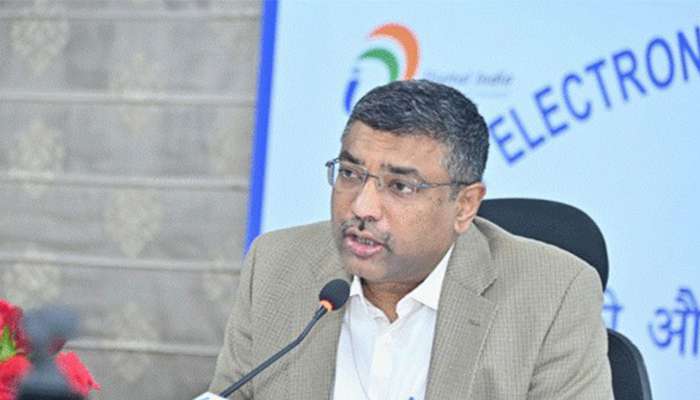

India is poised to take a leading role in shaping the future of artificial intelligence (AI) with the inaugural AI Impact Summit, scheduled to take place at Bharat Mandapam in New Delhi from February 15th to 20th. This landmark event, announced by S. Krishnan, Secretary of the Ministry of Electronics and Information Technology (MeitY), is expected to draw participation from over 100 countries and position India as a central hub for global AI discussions and innovation. The summit promises to be a confluence of thought leaders, policymakers, and industry giants, all focused on harnessing the power of AI for good.
The Global Stage: AI Impact Summit in New Delhi
The AI Impact Summit is not merely a technological expo; it’s a diplomatic and economic undertaking of significant scale. Prime Minister Narendra Modi will inaugurate the summit and is anticipated to host a dinner for attendees, along with delivering a key address to a roundtable of CEOs. A remarkable lineup of government heads from approximately 15 to 20 nations, including France, are also expected to participate, underscoring the international importance placed on this event.
This widespread interest reflects a growing recognition that AI transcends national boundaries and demands a collaborative, global approach. The summit seeks to foster that collaboration and demonstrate India’s commitment to responsible AI development. The event aims to solidify India’s position in the burgeoning field of artificial intelligence and machine learning.
High-Profile Attendees and Extensive Reach
The list of confirmed attendees reads like a who’s who of the AI world. Bill Gates has already confirmed his presence, signaling immense support for the summit’s objectives. Alongside him will be Dennis Hassabis, CEO of DeepMind Technologies; Daria Modi, CEO of Anthropic; Shantanu Narayan, CEO of Adobe; Mark Benioff, CEO of Salesforce; Cristiano Amon, CEO of Qualcomm; and Raj Subramanyam, CEO of FedEx.
These CEOs represent companies at the forefront of AI innovation, and their participation will lend substantial credibility and expertise to the discussions. MeitY reports having sent invitations to nearly 140 countries, resulting in over 15,500 registrations from 136 countries to date, with a particularly strong showing from the Global South – 76 nations represented.
Pre-Summit Momentum & Event Scale
The preparation for the main summit has been incredibly active. Over 310 events have already been conducted in the last 140 days, averaging more than two events per day across various global locations. Secretary Krishnan anticipates this number to soar to approximately 800 events by the summit’s commencement, demonstrating a significant international buzz. This network of pre-events suggests a global movement building toward a unified vision for AI’s future.
Focus on Practical Applications & Inclusive Growth
While theoretical discussions around AI are valuable, the AI Impact Summit prioritizes practical solutions. The core aim is to cultivate AI applications for India’s productive sectors, particularly in areas like healthcare, agriculture, governance, education, and manufacturing. This focus speaks to a commitment to leveraging AI to address real-world challenges and drive economic growth for the nation.
Secretary Krishnan emphasized that the summit isn’t just about technological advancement; it’s about ensuring that these advancements benefit everyone. “The idea is to build solutions for the productive sectors of the economy,” he explained. “To make sure that we have AI solutions, which would work significantly…” This signifies a mindful approach to AI implementation that centers human needs and societal impact.
Guiding Principles: People, Planet, and Progress
The AI Impact Summit is guided by a strong ethical framework, built around three core principles – “People, Planet, and Progress.” These sutras, as they are referred to, are intended to ensure that AI development is aligned with human well-being, environmental sustainability, and inclusive growth.
To translate these principles into tangible action, the summit has established seven thematic “Chakras” – working groups each dedicated to a critical aspect of AI’s impact. These Chakras will facilitate focused discussions and collaborative problem-solving around key challenges and opportunities. The integration of these philosophical and structural elements signifies a deep commitment to responsible and ethical AI development throughout the event.
Ultimately, the combination of these sutras and chakras creates a well-defined path toward achieving measurable outcomes and guaranteeing that the advantageous effects of AI are universally accessible.
Looking Ahead: A Catalyst for Global AI Collaboration
The New Delhi AI Impact Summit represents a pivotal moment for India and the global AI landscape. By bringing together a diverse range of stakeholders and focusing on practical applications grounded in ethical principles, the summit aims to catalyse collaboration and innovation. It moves beyond simply acknowledging the potential of artificial intelligence, and towards actively shaping its implementation to benefit all of humanity. The success of this event will be a crucial indicator of India’s ability to lead in the ongoing AI revolution and demonstrates a proactive approach to embracing technological advancements while prioritizing responsible development and global inclusion.