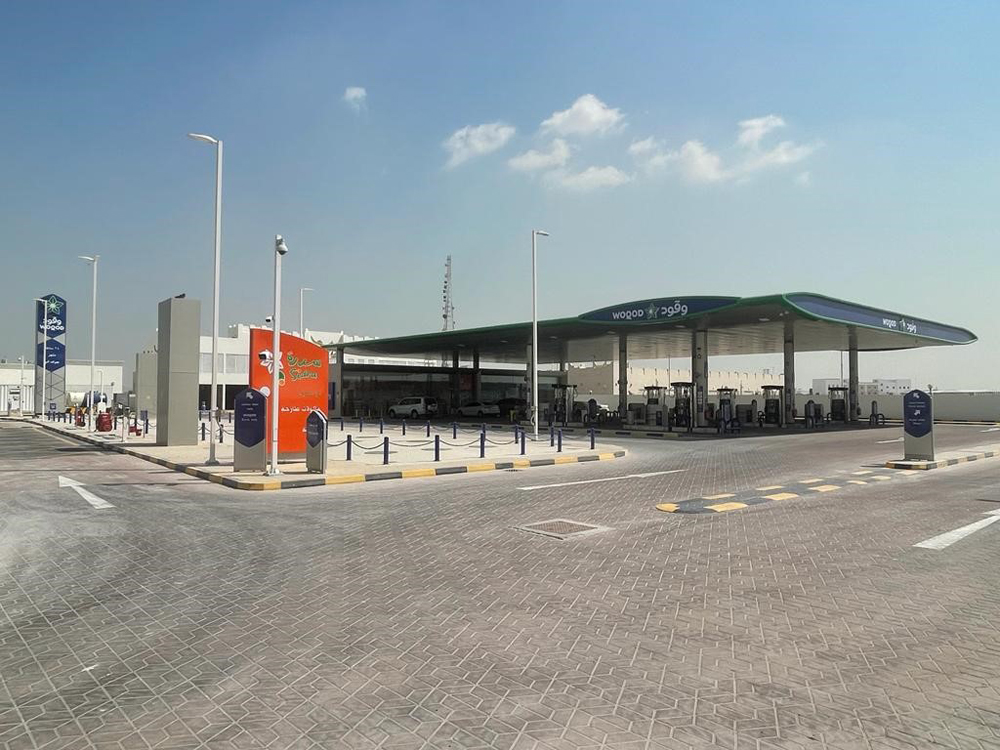

Doha, Qatar – QatarEnergy announced on Wednesday, December 31, 2025, that fuel prices for January 2026 will see reductions across all major categories. The price adjustments impact Premium-grade petrol, Super petrol, and diesel, offering potential relief to consumers and businesses in Qatar. These new rates will be effective starting January 1, 2026.
According to the official announcement, Premium-grade petrol will be priced at QR 1.95 per litre, a decrease from the December 2025 rate. Super petrol will now cost QR 2.00 per litre, also lower than the previous month, while diesel will be available at QR 2.00 per litre. The changes reflect ongoing adjustments to global market conditions and Qatar’s energy pricing policies.
January 2026 Fuel Prices: A Detailed Look at the Reductions
The reductions in fuel prices come after a period of relative stability in the Qatari market. While fluctuations are common, the consistent pricing of recent months had led to expectations of potential adjustments. These new rates are likely to be welcomed by vehicle owners and transportation companies alike.
Impact on Consumers and Businesses
Lower fuel prices directly benefit consumers by reducing transportation costs. This can have a ripple effect on household budgets, freeing up disposable income for other expenses. Additionally, businesses reliant on transportation, such as logistics and delivery services, are expected to see reduced operational costs.
However, the extent of the benefit will depend on individual consumption patterns and the overall economic climate. While lower prices are generally positive, other factors like inflation and global economic trends can influence the overall impact on consumers and businesses.
Factors Influencing the Price Adjustments
QatarEnergy’s pricing decisions are closely tied to international oil market dynamics. Global crude oil prices, influenced by factors like geopolitical events, production levels, and demand, play a significant role. The ministry regularly reviews these factors to determine appropriate domestic fuel prices.
Additionally, Qatar’s commitment to diversifying its energy sources and promoting energy efficiency may also influence pricing strategies. The nation is actively investing in renewable energy projects and exploring ways to reduce its reliance on fossil fuels. This long-term vision could contribute to more stable and sustainable energy pricing in the future.
Meanwhile, the global supply of oil continues to be a key determinant. Recent reports indicate a complex interplay of factors affecting supply, including OPEC+ production decisions and potential disruptions in key oil-producing regions. These external pressures are constantly monitored by QatarEnergy when setting domestic prices.
Recent Trends in Qatar’s Energy Sector
Qatar is a major player in the global energy market, primarily known for its natural gas production. However, it also refines and distributes petroleum products domestically. The country has been working to enhance its refining capacity and ensure a stable supply of petrol and diesel to meet growing demand.
In contrast to some other nations, Qatar maintains a relatively transparent fuel pricing mechanism, with adjustments typically announced monthly. This predictability allows consumers and businesses to plan accordingly. The government also provides subsidies to mitigate the impact of global price fluctuations on domestic consumers.
The country’s economic diversification plans, outlined in Qatar National Vision 2030, aim to reduce dependence on hydrocarbons and promote sustainable development. This includes investments in infrastructure, education, and healthcare, all of which are indirectly affected by energy costs and availability.
Looking ahead, QatarEnergy is expected to announce the fuel prices for February 2026 towards the end of January. The rates will likely be influenced by prevailing global oil market conditions and any significant geopolitical developments. Monitoring these factors will be crucial for understanding future price trends and their impact on the Qatari economy.