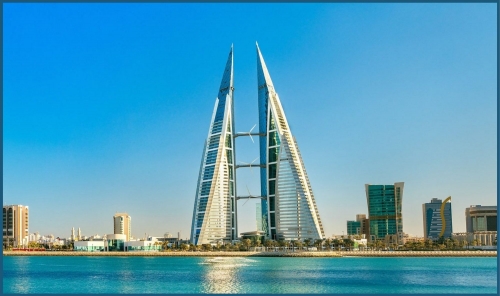

The Bahraini government recently announced a comprehensive package of economic and public service reforms, approved by the Cabinet, designed to bolster state finances, improve citizen welfare, and streamline government operations. These decisions, impacting everything from corporate taxation to utility pricing, represent a significant shift in economic policy and aim to ensure long-term Bahrain economic stability. The changes are being rolled out over the next few years, with a focus on equitable contribution and sustainable revenue generation.
Streamlining Government & Boosting State Revenue
A core component of the new strategy focuses on improving the efficiency of the public sector. The Cabinet has mandated a 20% reduction in administrative expenses across all government entities. This reduction is not intended to compromise the quality of public services, but rather to eliminate redundancies and optimize resource allocation. The Minister of Finance and National Economy will be directly responsible for overseeing the implementation of these cost-cutting measures.
This push for fiscal responsibility is coupled with efforts to increase revenue streams. The government is looking to its state-owned companies to contribute more significantly to the national budget. This will likely involve a review of dividend policies and a greater emphasis on profitability within these entities.
New Corporate Revenue Law & Taxation Measures
Perhaps the most impactful change is the proposed introduction of a new corporate tax law. This law, slated to be presented to the legislative authority, will impose a 10% tax on local companies exceeding an annual revenue of BD 1 million (approximately $2.65 million USD) or a net profit of BD 200,000 (around $530,000 USD).
This measure is strategically designed to diversify the government’s income sources and reduce reliance on oil revenues. It’s important to note the phased implementation, with the law expected to come into effect in 2027, allowing businesses time to adjust.
Additionally, the government will be implementing a law to increase revenues derived from soft drinks. Details surrounding this specific tax are expected to be finalized following agreements with the legislative authority. This aligns with a broader trend in the region towards implementing “sin taxes” on products deemed detrimental to public health.
Adjustments to Utility and Service Costs
Several adjustments are planned for utility and service costs, aiming for a more sustainable and equitable system. These changes will be implemented in stages, beginning in 2026.
Land Usage Fees
To encourage the development of unused land and maximize its economic potential, the government will introduce a monthly fee of BD 0.100 per square meter for undeveloped lands that already have access to full infrastructure services. This fee, also starting in January 2027, is intended to incentivize landowners to utilize their assets productively.
Sanitation Service Fees
New sanitation service fees will be introduced, charging 20% on water consumption for sewage services. Crucially, this charge will not apply to Bahraini citizens’ primary residences, protecting vulnerable households. This measure aims to ensure those benefiting from the service contribute to its upkeep.
Electricity and Water Tariffs
Adjustments to electricity and water tariffs are planned for non-subsidized foreign residents and commercial entities. However, the government has emphasized its commitment to protecting citizens. Electricity and water tariffs for Bahraini citizens’ first homes will remain fixed for the first two consumption brackets. Special provisions will also be made for extended families to ensure fair access to subsidized rates. This demonstrates a commitment to social welfare programs alongside economic reform.
Supporting Bahraini Employment & Reflecting Actual Costs
The government is also taking steps to support Bahraini employment. A review of fees associated with employing expatriate workers will be undertaken, with the goal of prioritizing opportunities for Bahraini nationals. This review will be effective from January 2026.
Furthermore, natural gas prices for factories and companies will be adjusted to reflect actual consumption costs, starting in January 2026. This move aims to eliminate distortions in the market and encourage efficient energy usage. New mechanisms for determining fuel prices will also be developed and implemented immediately, aiming for greater transparency and responsiveness to global market fluctuations.
Ensuring Bahrain Economic Stability: A Forward-Looking Approach
These comprehensive reforms represent a significant undertaking by the Bahraini government. The focus on diversifying revenue, streamlining spending, and balancing the needs of citizens with the demands of a modern economy are crucial components for long-term Bahrain economic stability. While some measures involve increased costs for specific sectors, the overarching goal is to create a more sustainable and robust economic future for the Kingdom.
The phased implementation of these changes, coupled with ongoing dialogue with the legislative authority and the public, will be key to their successful adoption. It is anticipated that these measures will not only strengthen the national budget but also foster a more competitive and diversified economic landscape in Bahrain.
For further information on these reforms and their potential impact, citizens and businesses are encouraged to consult official government sources and engage in public forums as they become available. Understanding these changes is vital for navigating the evolving economic environment and contributing to Bahrain’s continued prosperity.