




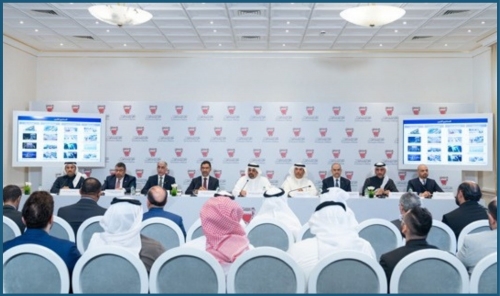

The Kingdom of Bahrain has unveiled a comprehensive package of economic initiatives designed to strengthen its financial position and ensure continued prosperity for its citizens. These measures, recently approved by the Cabinet, represent a strategic shift towards fiscal sustainability, increased revenue generation, and long-term Bahrain economic reform. The government aims to balance responsible financial management with ongoing support for its population, navigating a dynamic global economic landscape.
Strengthening Bahrain’s Financial Foundation
The core of the government’s plan revolves around three key pillars: optimizing government spending, diversifying revenue streams, and fostering sustainable economic growth. These aren’t isolated actions, but rather interconnected strategies intended to create a more resilient and robust economy for the future. The initiatives demonstrate a commitment to responsible fiscal policy and a proactive approach to economic challenges.
Reducing Government Expenditure
A significant component of the plan focuses on streamlining government operations. All government entities will be required to reduce administrative expenses by 20%, without compromising the quality of services delivered to the public. This commitment to efficiency aims to free up resources for investment in crucial sectors and social programs.
Boosting State Revenue
Alongside cost reduction, the government is actively working to increase revenue. State-owned companies will be contributing more to the national budget, bolstering the government’s financial resources. This increased contribution will support vital public services and infrastructure projects.
Introducing the Corporate Revenue Law
Perhaps the most significant revenue-generating measure is the introduction of a new Corporate Revenue Law. This law will impose a 10% tax on profits exceeding BHD 200,000, or for companies with revenues over BHD 1 million. The law is slated to come into effect in 2027, pending legislative approval.
Protecting National Employment
Crucially, the government has prioritized the protection of local employment within this new framework. Key sectors directly impacting Bahraini jobs will be exempt from the tax, and incentives will be provided to encourage companies to hire Bahraini nationals. This demonstrates a commitment to Bahrain labour market stability and the empowerment of its citizens. This careful consideration aims to balance economic diversification with social responsibility.
Targeted Taxes and Fees for Sustainable Growth
Beyond the Corporate Revenue Law, the government is implementing targeted taxes and fees designed to promote specific policy goals and ensure long-term sustainability. These measures are intended to encourage positive behavioral changes and support vital infrastructure.
Selective Tax on Soft Drinks
A proposed law will increase selective taxes on soft drinks. This initiative aims to encourage healthier consumption habits, improve public health outcomes, and ultimately optimize healthcare resources. The move aligns with global trends towards promoting wellness and reducing the burden on healthcare systems.
Investment Land Fees
Starting in January 2027, monthly fees of BHD 0.100 per square meter will be applied to undeveloped investment lands with full infrastructure services. This applies to a range of land categories, including mixed-use buildings, tourism areas, commercial zones, and service areas. Fees will be collected upon applying for a building permit or during property sales. This measure aims to encourage the development of underutilized land and stimulate economic activity.
Sewerage Service Fees
To ensure the long-term sustainability of infrastructure, new sewerage fees will be introduced in January 2026. These fees will apply to all properties except the primary residential property, calculated at 20% of water consumption costs. This will contribute to the ongoing maintenance and improvement of essential sanitation services.
Prioritizing Bahraini Employment Through Work Permit Adjustments
Recognizing the importance of prioritizing Bahraini employment, the government will gradually increase work permit fees for foreign workers, beginning in January 2026. The fees for issuing permits, monthly fees, and healthcare fees will all see phased increases over a four-year period. Domestic workers will be exempt from these changes. This adjustment is intended to incentivize employers to prioritize hiring Bahraini nationals and contribute to the growth of the Bahrain workforce.
A Holistic Approach to Economic Stability
The government has emphasized that these initiatives are not isolated measures but rather complement ongoing programs focused on training and employing Bahraini nationals. This holistic approach underscores the government’s commitment to empowering its citizens and building a more inclusive and sustainable economy. The government also expressed its gratitude to legislative representatives for their valuable contributions during the planning and review process.
In conclusion, the Kingdom of Bahrain’s newly announced economic initiatives represent a bold and comprehensive strategy for achieving fiscal sustainability and long-term economic growth. By balancing responsible financial management with a commitment to social welfare and national employment, Bahrain is positioning itself for a prosperous future. These reforms are expected to attract investment, diversify the economy, and improve the quality of life for all citizens. Further details and updates on these initiatives can be found on the official government website, encouraging citizens to stay informed and engaged in the process.