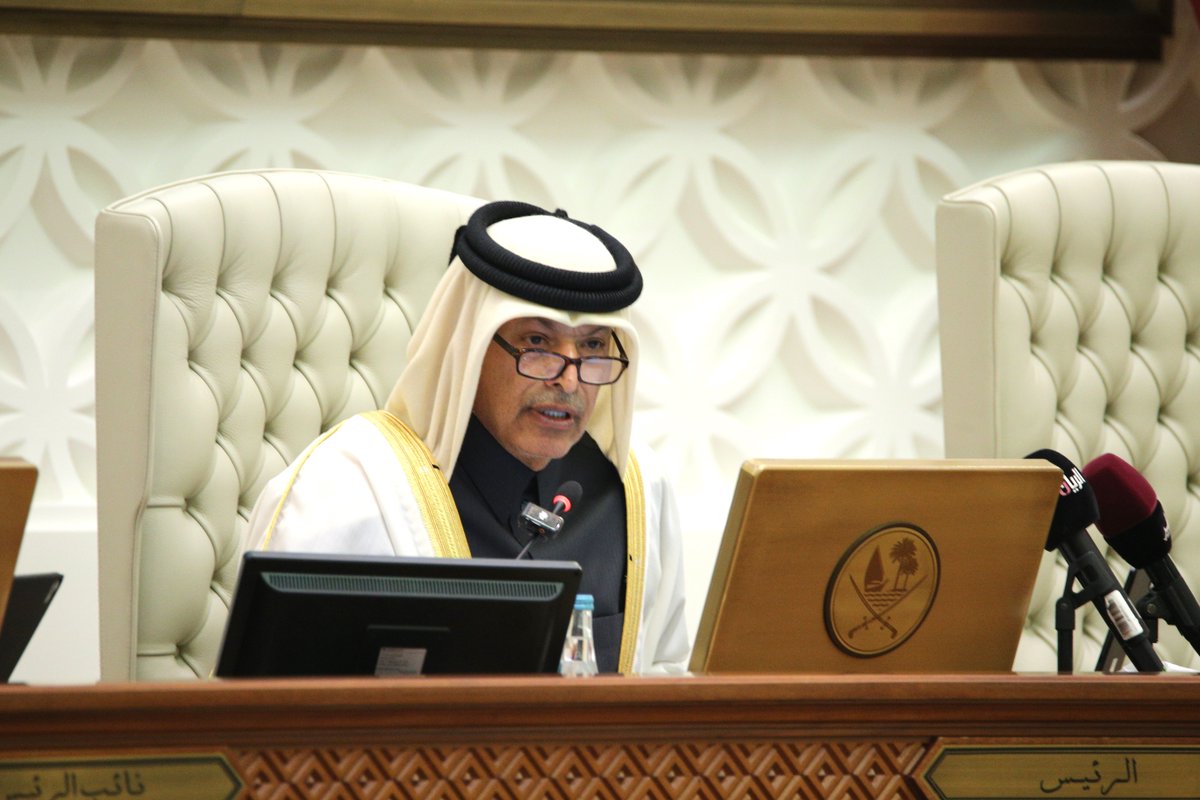

Doha, Qatar – The Qatari Shura Council convened yesterday to discuss a range of issues, with a primary focus on enhancing the social and cultural roles of sport clubs within the nation. The session, led by Speaker H.E. Hassan bin Abdullah Al Ghanim, saw representation from key ministries, media professionals, and community stakeholders, signaling a collaborative approach to youth development and realizing the goals of Qatar National Vision 2030. The council also approved draft legislation related to selective tax.
Held at the council’s headquarters, the meeting addressed a public deliberation request concerning how to best leverage sports organizations beyond athletic competition. Attendees highlighted the importance of these clubs as vital community hubs and their potential to instill positive social values, promote healthy lifestyles, and contribute to Qatar’s overall cultural landscape.
Strengthening the Role of Sport Clubs in Qatar
Speaker Al Ghanim emphasized the State of Qatar’s commitment to investing in its youth, describing them as the cornerstone of the nation’s progress. He noted that this dedication aligns with Article 22 of the Qatari constitution, which mandates the protection and development of younger generations. This focus is considered crucial for achieving the long-term objectives outlined in Qatar National Vision 2030, a strategic framework for sustainable development.
Government Investment and Infrastructure
The discussion acknowledged the significant investments Qatar has made in sports infrastructure in recent decades. According to remarks from the session, this investment has facilitated advancements in athletic achievement on both regional and international stages and expanded participation in sports across the country. These advancements are not simply about sporting prowess; they also reflect a broader strategy to promote social cohesion and national pride.
Social and Ethical Development
Council members stressed that sport clubs provide a key environment for social upbringing, complementing the roles played by families, schools, and religious institutions. They help cultivate important life skills such as teamwork, discipline, and punctuality, fostering responsible citizenship among young people. Additionally, they serve as valuable platforms for promoting patriotism and national identity.
Participants suggested forging stronger connections between sport clubs and youth centers, falling under the purview of the Ministry of Sports and Youth. Collaborative programs could broaden community engagement and provide more comprehensive support services. The conversation also highlighted the need for club administrators to prioritize community and cultural activities alongside athletic training and competition.
Financial Sustainability and Private Sector Partnerships
To ensure the long-term viability of these initiatives, members advocated for diversifying funding streams. Reducing reliance on state budgets through increased private sector involvement was identified as a key objective. According to the discussion, partnerships with businesses could provide essential financial resources and support the expansion of social programs offered by sports organizations. These collaborations were seen as a way to enhance the clubs’ financial independence and overall impact.
The council also called for increased visibility of the community service and cultural initiatives undertaken by sport clubs. Utilizing various media platforms, including digital channels, could effectively communicate their contributions to a wider audience. This improved communication strategy could also attract more participants and support.
Alongside the discussion on sports, the Shura Council approved a draft law amending provisions within Law No. (25) of 2018 concerning selective tax. This legislation was then forwarded to the government for further review, indicating a streamlined process for enacting financial regulations.
The next step involves the government’s detailed examination of the draft legislation on selective tax and the formulation of concrete plans to implement the council’s recommendations regarding youth sports. Observers will be watching for specific measures to encourage private sector participation and a timeline for launching joint programs with youth centers. The overall success of these efforts remains contingent on effective collaboration between governmental bodies, sports institutions, and the private sector.
Keywords: sport clubs, youth sports, sports organizations
Secondary Keywords: Qatar National Vision 2030, selective tax