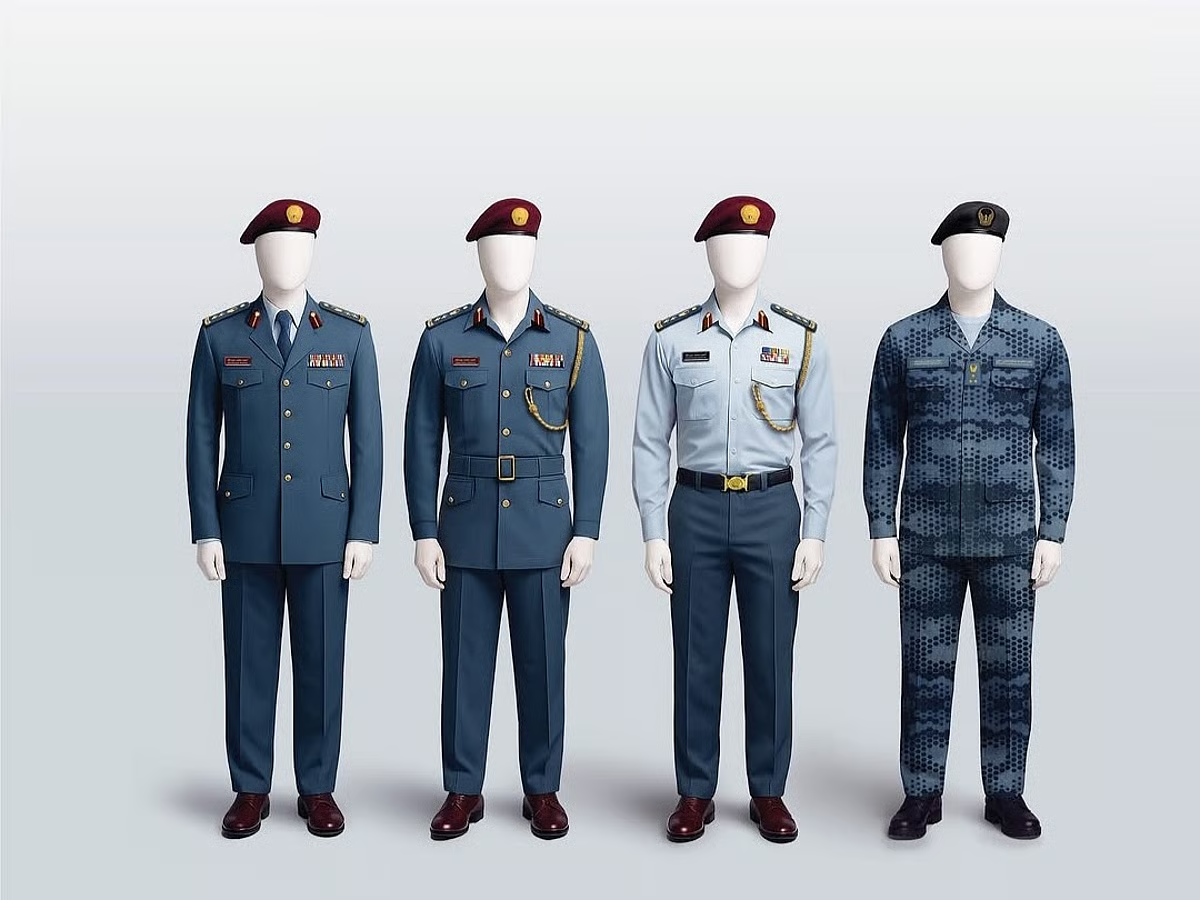

The United Arab Emirates (UAE) Ministry of Interior recently unveiled a comprehensive rebrand of its civil defense services, introducing a new visual identity designed to modernize the organization’s image and reinforce its core values. The rollout began in late October 2023 and will be implemented across all platforms and physical assets of the civil defense over the coming months. This update signifies a commitment to enhanced public safety and a forward-looking approach to emergency response nationwide.
The changes impact everything from logos and color schemes to typography and imagery used in public communications. The initiative aims to create a more unified and recognizable brand for the UAE’s civil defense apparatus, which operates across seven emirates. According to the ministry, the visual identity reflects the nation’s heritage alongside its ambition for innovation in safety and security.
Understanding the New Civil Defense Visual Identity
The redesigned visual identity incorporates several distinct elements, each carrying symbolic weight. The core of the new logo is a shield prominently displaying the UAE flag, representing the protection and security offered to citizens and residents. This centralized symbol immediately communicates the organization’s primary function.
Overlaid on the shield are further representations of national significance. A laurel wreath circles the shield, symbolizing the honor and dedication inherent in the civil defense mission. Stars, numbering seven, are also included and denote the unity and collaborative spirit of the civil defense commands across each of the UAE’s emirates.
The Falcon and National Symbolism
Perhaps the most striking addition to the new branding is the falcon. This bird of prey is a deeply ingrained cultural icon in the UAE, historically representing strength, courage, and a connection to heritage. Its inclusion directly links the civil defense to these respected national traits.
The new color palette moves away from older designs, adopting a more contemporary and vibrant aesthetic. Shades of red, green, black, and white – mirroring the UAE flag – are combined with modern neutral tones to create a visually appealing and professional look. The ministry stated this new combination aims to improve clarity and impact in all communication materials.
Furthermore, a new typography system accompanied the visual updates to improve readability and consistency across digital and print channels. This consistent use of fonts contributes to a stronger, more unified brand presentation. These changes aim to modernize the perceived effectiveness of emergency services.
Why the Rebrand? Context and Objectives
The UAE has undergone substantial economic and social development in recent decades, attracting a diverse population and witnessing rapid urbanization. This growth has correspondingly created new challenges for civil defense organizations, requiring a modernization of capabilities and public facing representation. The visual rebrand is a component of wider systemic improvements.
According to industry analysts, government entities throughout the Gulf region are investing heavily in public safety infrastructure and initiatives. This trend comes in parallel with increasing public expectations for efficient and accessible emergency services. The updated branding, therefore, aims to align the UAE Civil Defense with these evolving standards.
However, a rebrand is not solely internal. It’s designed to enhance public trust and recognition. A clear and modern visual identity can make it easier for the public to identify civil defense personnel, vehicles, and resources during emergencies. This has the potential to improve response times and overall safety outcomes.
The Ministry of Interior has also been focusing on community engagement and preventative safety measures. The rebranding exercise is consistent with these efforts, positioning the civil defense as a more accessible and proactive organization. This proactive stance is crucial for risk mitigation and ensuring public preparedness.
This overhaul of the agency’s communication aligns with a larger governmental push towards digital transformation and improved citizen services. Modernizing the visual identity is essential when promoting these services online and through mobile applications.
Impact on Related Services & Public Awareness
The rebrand is expected to extend beyond the core civil defense operations. Related agencies, such as emergency medical services and fire departments operating under the Ministry of Interior’s umbrella, will likely adopt the new visual identity to present a more cohesive public safety network.
To ensure widespread public awareness, the Ministry of Interior plans a phased rollout of the new branding across all platforms. This includes updating websites, social media profiles, official documents, signage on buildings and vehicles, and training materials for civil defense personnel. Public service announcements will also be deployed to familiarize citizens with the new look.
The transition will involve significant logistical coordination to replace existing materials efficiently. The Ministry has not publicly specified a detailed timeline or budget for the full implementation of the rebrand, but has indicated commitment to a full and swift transition.
The updates will also correlate to updates within the broader field of emergency management. This modernization aims to improve inter-agency collaboration, streamline communication protocols, and adopt new technologies to enhance the speed and accuracy of emergency responses.
Alongside the visual identity changes, stakeholders within the public safety sector will also need to refresh their understanding and awareness. The Ministry aims to provide clear guidelines and resources to contribute to the seamless transition.
Looking ahead, the successful implementation of this rebrand will depend on consistent application and ongoing communication with the public. The Ministry of Interior is expected to monitor public recognition and feedback closely. Future considerations may include accessibility audits of the new visual identity to ensure inclusivity for all members of the community. The long-term impact on public trust and safety outcomes remains to be seen and will be a key metric for assessing the initiative’s effectiveness.