


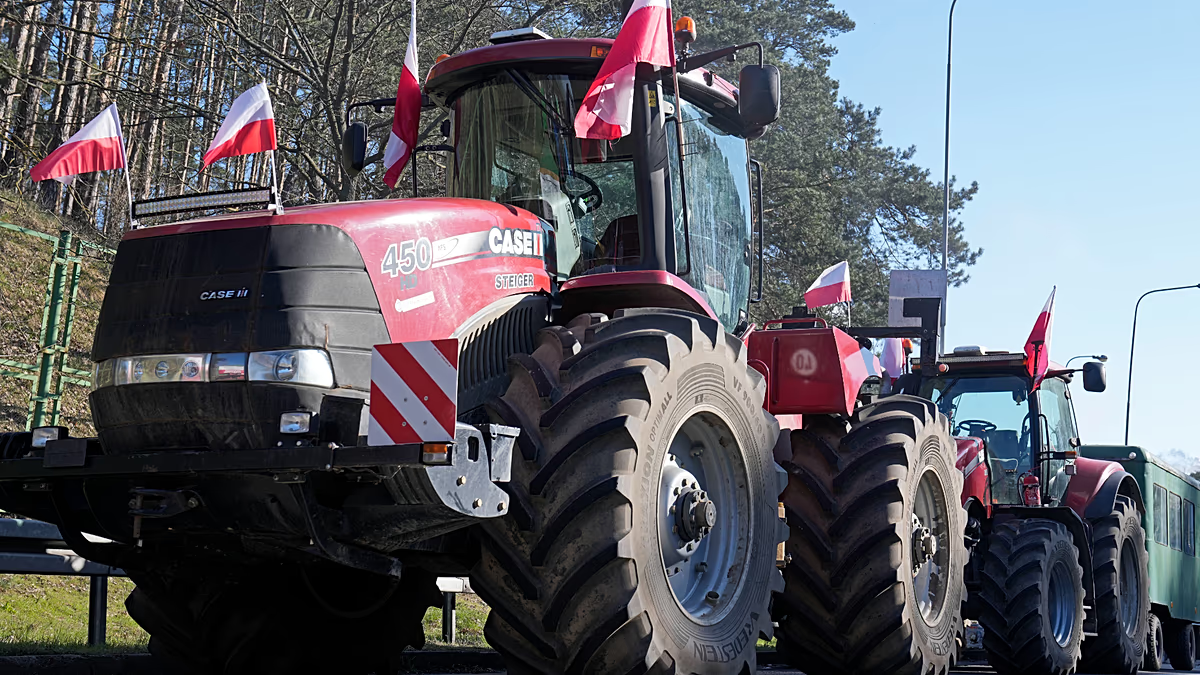

Polish farmers have launched widespread protests across the nation, disrupting traffic and demonstrating at government buildings to voice opposition to the proposed European Union trade agreement with Mercosur, a trade bloc comprising Argentina, Brazil, Paraguay, and Uruguay. The demonstrations, impacting over 180 locations, center on concerns that the deal will flood the European market with cheaper agricultural imports, potentially devastating Polish agricultural production. These protests reflect a growing anxiety within the farming community regarding the future of European agriculture.
The nationwide action began on February 20, 2024, and continues to unfold with significant disruption reported on major roadways. Protesters are utilizing methods such as roadside blockades and organized gatherings outside regional and national administrative offices. The scale of the demonstrations underscores the critical importance of this issue to Poland’s significant agricultural sector and its impact on the broader European economy.
Concerns Over Mercosur and Polish Agricultural Production
At the heart of the protests are fears regarding the potential consequences of increased imports from the Mercosur nations. Polish farmers argue that the lower production costs in South America – often attributed to less stringent environmental and animal welfare regulations – will allow Mercosur countries to sell goods at prices Polish producers cannot match. This price disparity could lead to a decline in local farming activity and potentially force many farmers out of business.
The EU-Mercosur agreement, currently undergoing ratification, has been under negotiation for over two decades. The European Commission asserts the deal will create significant economic opportunities for both regions, diversifying markets and removing trade barriers. However, critics, including Polish farmers, point to sustainability concerns and the potential negative impact on European farmers.
Impact on European Food Standards
Beyond the economic impact, protesters express worry that imported goods may not meet the high food safety and environmental standards maintained within the European Union. Concerns have been raised regarding the use of pesticides and deforestation linked to agricultural practices in some Mercosur countries. This led to demands for stricter import controls and monitoring to ensure a level playing field and protect consumer health.
Additionally, farmers are seeking increased financial support from the Polish government and the EU to help them adapt to potential market changes. They are calling for simplification of the Common Agricultural Policy (CAP) regulations, which they often describe as bureaucratic and burdensome. Simplifying these regulations, they believe, would streamline operations and improve competitiveness.
Broader European Implications
While the protests are centered in Poland, anxieties about the EU-Mercosur deal extend to other European nations with substantial agricultural industries, such as France and Ireland. The affordability of food, particularly in light of current economic pressures and geopolitical instabilities, is also a major consideration for many. The fear is that cheaper imports could initially lower prices, but ultimately lead to a decline in local food security and a dependence on external sources.
The Polish Ministry of Agriculture and Rural Development has acknowledged the farmers’ concerns and has been in discussion with representatives of the protest movement. According to the ministry, these discussions focus on identifying potential mitigation measures and seeking reassurances regarding the protection of Polish farmers’ interests within the framework of the trade agreement. Further information on the Polish government’s position can be found on their official website.
Meanwhile, the European Parliament is expected to vote on the ratification of the EU-Mercosur agreement later this year. The outcome of that vote remains uncertain, as it will likely be influenced by the ongoing protests and the broader debate surrounding the deal’s potential consequences. The situation is further complicated by upcoming elections to the European Parliament, which could shift the political landscape.
As the debate intensifies, all eyes are on Brussels and Warsaw. The coming months will be crucial in determining the fate of the EU-Mercosur trade agreement and the future of agricultural production within Poland and across Europe. Stay informed about developments in EU trade policy and the ongoing challenges faced by the agricultural sector to understand the full extent of these important events.
The protests highlight the need for a balanced approach to trade, one that promotes economic growth while safeguarding the livelihoods of farmers and upholding environmental standards. The future of farming in Poland—and beyond—may depend on finding that balance. This situation underscores the importance of carefully considering the impact of such agreements on local economies and the food supply chain.