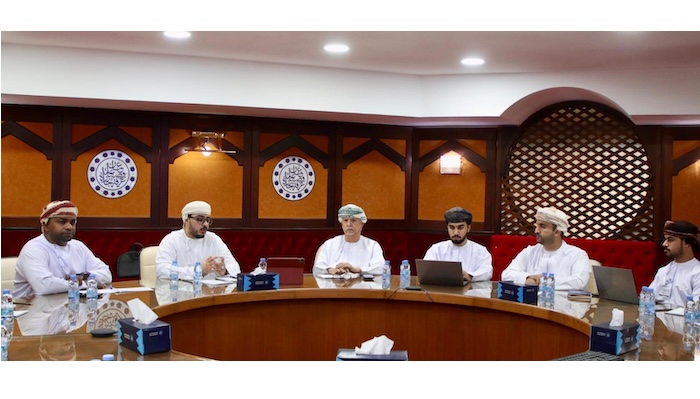

Oman is increasingly focused on bolstering its food security, and a recent meeting of the Oman Chamber of Commerce and Industry (OCCI) Food Security Committee highlighted a crucial component in achieving this goal: agricultural insurance. With the Sultanate facing growing challenges from unpredictable climatic conditions and the ever-present threat of epidemics impacting crops and livestock, the committee emphasized the urgent need for robust and accessible insurance solutions for Omani farmers. This proactive approach aims to safeguard agricultural livelihoods and ensure a stable food supply for the nation.
The Growing Importance of Agricultural Insurance in Oman
The OCCI Food Security Committee, chaired by Eng. Saleh bin Mohammed Al Shanfari, convened at the Chamber’s headquarters in Muscat to discuss the escalating risks facing Oman’s agricultural sector. These risks aren’t new, but their frequency and intensity are increasing due to global climate change and the potential for rapid disease spread. Traditional farming practices are becoming more vulnerable, and without adequate protection, the sustainability of local food production is jeopardized. Therefore, agricultural insurance is no longer considered a luxury but a necessity for Omani farmers.
Climatic Challenges and Their Impact
Oman’s climate presents inherent challenges to agriculture, including water scarcity, high temperatures, and occasional extreme weather events like flash floods and droughts. These conditions can lead to significant crop losses and damage to agricultural infrastructure. The committee acknowledged that these challenges are becoming more pronounced, requiring innovative risk management strategies. Effective agricultural insurance can help farmers recover from these losses and reinvest in their operations.
The Threat of Epidemics to Livestock and Crops
Beyond climate, the spread of plant and animal diseases poses a substantial threat to Oman’s food supply. Recent global events have demonstrated how quickly epidemics can disrupt agricultural production and trade. The committee discussed the importance of insurance coverage that specifically addresses losses caused by outbreaks, providing financial relief to farmers and preventing widespread shortages. This is particularly vital for supporting the livestock sector in Oman.
Developing Suitable Insurance Products
A key focus of the committee’s discussion was the need for agricultural insurance products tailored to the specific needs of Omani farmers. Currently, available options may not be comprehensive enough or offer terms that are flexible and affordable for many producers. The committee stressed the importance of designing policies that consider the diverse range of crops and livestock raised in Oman, as well as the unique regional variations in climate and farming practices.
Flexibility and Affordability are Key
The committee recognized that a one-size-fits-all approach to agricultural insurance won’t work. Policies need to be adaptable to different farm sizes, types of production, and risk profiles. Furthermore, affordability is crucial to ensure widespread adoption. Subsidies or other financial incentives may be necessary to make insurance accessible to smallholder farmers who are particularly vulnerable to economic shocks. Exploring crop insurance options that are indexed to weather patterns could also offer a more cost-effective solution.
The Role of Food and Agricultural Associations
The committee highlighted the potential for food and agricultural associations to play a vital role in facilitating access to agricultural insurance. These organizations can act as intermediaries between farmers and insurance providers, helping to simplify the application process, negotiate favorable terms, and assist with claims settlement. They can also contribute to the development of appropriate compensation mechanisms that are fair and transparent.
Future Initiatives and Collaboration
To further advance the discussion and promote the adoption of agricultural insurance, the committee recommended several key initiatives. These include organizing a specialized seminar bringing together experts from the insurance industry, agricultural sector, and government agencies. The seminar would serve as a platform for sharing best practices, identifying challenges, and developing innovative solutions.
Promoting Agricultural Entrepreneurship
Additionally, the committee proposed holding a public session focused on entrepreneurship within the agricultural sector. This session would aim to encourage innovation and investment in agriculture, while also raising awareness about the importance of risk management and insurance. Supporting agricultural technology and new farming methods will also contribute to a more resilient sector.
Reviewing International Models
The committee also reviewed various international models of agricultural insurance, seeking inspiration and lessons learned from other countries facing similar challenges. This comparative analysis will help inform the development of insurance products that are best suited to the Omani context. Understanding how other nations have addressed issues of climate risk and epidemic preparedness is invaluable.
Conclusion
The OCCI Food Security Committee’s recent meeting underscored the critical role of agricultural insurance in safeguarding Oman’s food supply and supporting its farming communities. By prioritizing the development of suitable, flexible, and affordable insurance products, and fostering collaboration between stakeholders, Oman can build a more resilient and sustainable agricultural sector. The proposed seminar and entrepreneurship session represent important steps forward in this process. We encourage all involved parties to actively participate in these initiatives and contribute to a future where Omani farmers are protected from the growing risks they face, ensuring food security for generations to come.