





His Royal Highness Crown Prince Salman bin Hamad Al Khalifa, the Prime Minister of Bahrain, recently chaired the weekly Cabinet meeting at Gudaibiya Palace, outlining a series of decisions focused on bolstering the national economy, supporting citizens, and attracting foreign investment. The meeting underscored the Kingdom’s commitment to sustainable development and fiscal responsibility as it looks towards future growth. This article details the key outcomes of the Cabinet meeting, offering insights into Bahrain’s economic direction and social welfare initiatives.
Bahrain’s Economic Strategy: Key Decisions from the Cabinet Meeting
The Cabinet meeting addressed a broad spectrum of economic and social issues, demonstrating a proactive approach to navigating current challenges and capitalizing on future opportunities. A central theme was ensuring the financial stability of the Kingdom while simultaneously providing continued support to its citizens. Several financial initiatives were approved, aiming to diversify revenue streams and optimize resource allocation.
National Exercise “Azm Al-Watan 1” Commended
The meeting began with praise for the successful completion of the national virtual exercise “Azm Al-Watan 1,” held under the patronage of His Majesty King Hamad bin Isa Al Khalifa, the Supreme Commander of the Bahrain Defence Force. This exercise highlights Bahrain’s dedication to national security and its ability to effectively coordinate responses to potential threats. The successful execution of “Azm Al-Watan 1” demonstrates the preparedness of Bahraini defense forces and their commitment to safeguarding the nation.
Appreciation for Muharraq Nights Festival & Bahrain Holiday Season
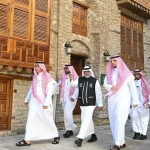
Crown Prince Salman bin Hamad Al Khalifa personally expressed his gratitude to the people of Muharraq for their warm hospitality during his recent visit to the Muharraq Nights Festival. He acknowledged the festival’s success in attracting both local and international visitors, contributing to the vibrancy of the Bahrain tourism sector. The Cabinet also extended commendation to the broader Bahrain Holiday Season, encompassing events like Hawa Manama and the Heritage Village, recognizing the significant efforts in organizing these popular attractions.
Maintaining Essential Service Affordability
A key decision made during the meeting was the commitment to maintain current electricity and water tariffs for citizens in their primary residences for the first and second consumption bands. This move demonstrates the government’s sensitivity to the cost of living and its dedication to protecting vulnerable populations. However, the Cabinet also acknowledged the need for long-term sustainability in the utilities sector and decided to postpone the development of new support mechanisms for further study. This careful approach aims to balance affordability with responsible fiscal management.
Diversifying Revenue and Optimizing Resources
Recognizing the importance of a diversified economy, the Cabinet approved several measures to increase government revenue and improve resource utilization. These initiatives include:
- Reducing Administrative Expenses: A 20% reduction in administrative expenses across all government entities, without compromising service quality, was mandated. The Finance and National Economy Minister will oversee the implementation of this cost-saving measure.
- Increased Contributions from Government-Owned Companies: Government-owned companies will be required to increase their contributions to the state budget, bolstering national finances.
- Proposed Corporate Tax: A law proposing a 10% tax on local company profits exceeding BD 200,000 annually was put forward, slated to take effect in 2027, pending legislative approval. This is a significant step towards diversifying income sources.
- Excise Tax on Soft Drinks: A proposal to increase excise tax on soft drinks was also approved, with the Finance Minister responsible for its execution.
- Investment Land Optimization: A monthly fee of 100 fils per square meter will be levied on undeveloped investment lands with full infrastructure, starting in January 2027. This aims to encourage development and maximize the value of national assets.
- Sewer Service Fees: The introduction of sewer service fees, calculated at 20% of water consumption, will begin in January 2026, with citizens’ primary residences being exempt.
- Labor and Health Fees for Expatriates: A gradual review of labor and health fees for expatriates, excluding domestic workers, will be implemented over four years starting January 2026, with the goal of prioritizing employment for Bahraini citizens. This is a crucial element of the Bahrainization policy.
- Natural Gas Pricing: Natural gas prices for companies and factories will be adjusted to reflect actual consumption costs over a four-year period, beginning in January 2026.
- Fuel Pricing Mechanism: The development of a comprehensive mechanism for fuel pricing was assigned to the Petroleum and Environment Minister.
Attracting Foreign Investment and Supporting the Private Sector
The Cabinet emphasized the importance of attracting foreign investment to drive economic growth and enhance the role of the private sector. Measures were discussed to streamline government procedures and create a more favorable investment climate. This focus on economic development is expected to generate new opportunities and contribute to the long-term prosperity of the Kingdom.
Looking Ahead to 2026 and Beyond
As Bahrain approaches 2026, the Cabinet expressed optimism for continued achievements and prosperity. Best wishes were extended to students preparing for their first semester exams in the 2025-2026 academic year, recognizing the importance of education in building a skilled and competitive workforce.
The decisions made during this Cabinet meeting reflect a comprehensive and forward-looking strategy for Bahrain’s future. By balancing fiscal responsibility with social welfare, and by actively promoting economic diversification and investment, the Kingdom is positioning itself for sustainable growth and a brighter future for its citizens. The ongoing commitment to improving the business environment and fostering innovation will be key to unlocking Bahrain’s full economic potential.
This article provides a detailed overview of the recent Cabinet meeting, highlighting the key decisions and their implications for Bahrain’s economic and social landscape. For further information on Bahrain’s economic policies and investment opportunities, please visit the official websites of the Bahrain Economic Development Board and the Ministry of Finance and National Economy.