






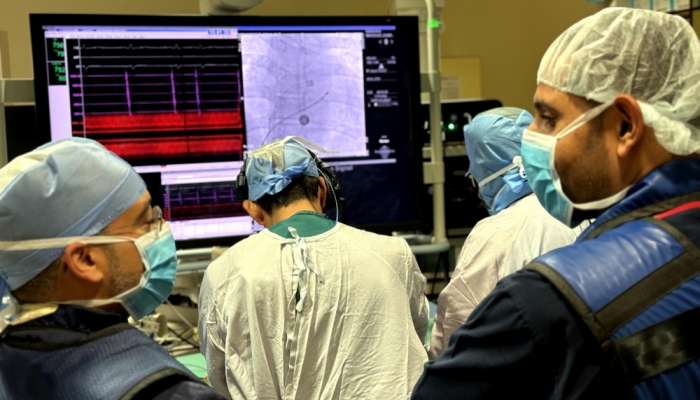

The Sultanate of Oman is making significant strides in healthcare, particularly in the field of cardiology. The National Heart Centre at the Royal Hospital in Muscat has recently announced a landmark achievement in cardiac imaging, successfully developing a sustainable model that dramatically improves service delivery and reduces patient wait times. This initiative, focused on national capacity building, standardized practices, and operational efficiency, promises a brighter future for cardiac care in the region.
A National Milestone in Cardiac Imaging Services
For years, patients in Oman requiring cardiac imaging – crucial for diagnosing and managing heart conditions – faced lengthy delays. Recognizing this critical need, the National Heart Centre embarked on a comprehensive plan to overhaul its services. The core strategy revolved around three key pillars: investing in the training and development of Omani medical professionals, establishing unified professional standards for cardiac imaging across the country, and streamlining operational processes to maximize efficiency.
Significant Increases in Scan Volume
The results of this focused effort are truly remarkable. Data reveals a substantial increase in the number of cardiac scans performed between 2023 and 2025. Cardiac Computed Tomography (CT) scans saw a 36% increase, rising from 1,953 in 2023 to 2,671 in 2025. Even more impressively, the number of cardiac Magnetic Resonance Imaging (MRI) scans doubled during the same period, jumping from 458 to 920 – a growth rate of 100%. This surge in capacity directly translates to more patients receiving timely diagnoses and treatment.
Targeted Campaigns to Reduce Waiting Lists
To accelerate progress, the National Heart Centre implemented a series of targeted campaigns specifically designed to tackle existing waiting lists. Four dedicated campaigns focused on cardiac CT imaging, resulting in 673 additional scans. Two similar campaigns for cardiac MRI imaging added another 177 scans to the total. These focused initiatives were instrumental in quickly addressing the backlog and improving patient access to vital diagnostic procedures.
Clearing the Backlog: A Testament to Efficient Management
The impact of these improvements extended beyond simply increasing scan volumes. The Centre also made significant headway in clearing the accumulated backlog of referrals. In 2023, 733 referrals were outstanding. Through diligent effort and optimized processes, this number increased to 1,421 completed referrals in 2024. The culmination of this work was the complete clearance of all accumulated referrals by the end of 2025, a truly significant accomplishment.
Investing in Omani Medical Expertise
A crucial component of the National Heart Centre’s success was its commitment to developing local talent. An integrated training program was established for doctors, technicians, and nursing staff within the Radiology Department. This program wasn’t limited to theoretical knowledge; it included practical field visits to support imaging teams in other leading hospitals throughout the Sultanate. Furthermore, an advanced national course (Level Two) in cardiac CT imaging was conducted, specifically aimed at enhancing the skills and competencies of Omani healthcare professionals.
Establishing National Standards for Quality Cardiac Care
Recognizing the importance of consistent, high-quality care, the Royal Hospital took a proactive step towards medical governance. They spearheaded the creation of the first unified national guide for providing cardiac CT imaging services. This comprehensive document outlines essential technical requirements, detailed staff training protocols, and stringent safety and quality standards. The guide’s approval as a national reference point signifies a commitment to standardized practices and improved patient outcomes across Oman. This focus on cardiovascular health is a key priority.
Dr. Najib Zahran Al Rawahi, Director of the National Heart Centre, emphasized that these achievements represent a practical model for transforming operational challenges into opportunities for sustainable development. He highlighted the three core pillars – qualifying cadres, unifying regulatory frameworks, and enhancing resource efficiency – as the driving forces behind the Centre’s success. He further noted that this approach has demonstrably improved service quality and accelerated access to care, all while maintaining adherence to international safety standards.
This achievement isn’t just a win for the National Heart Centre; it’s a cornerstone for enhancing integration and elevating cardiac care services throughout the entire Sultanate of Oman. The improvements in cardiac imaging are expected to have a ripple effect, leading to earlier diagnoses, more effective treatments, and ultimately, improved health outcomes for the Omani population. The future of cardiology in Oman looks brighter than ever, thanks to this dedicated and innovative approach.
To learn more about the Royal Hospital and its commitment to healthcare excellence, please visit their official website. Share this article to raise awareness about the advancements in cardiac care within the Sultanate of Oman and the dedication of its medical professionals.