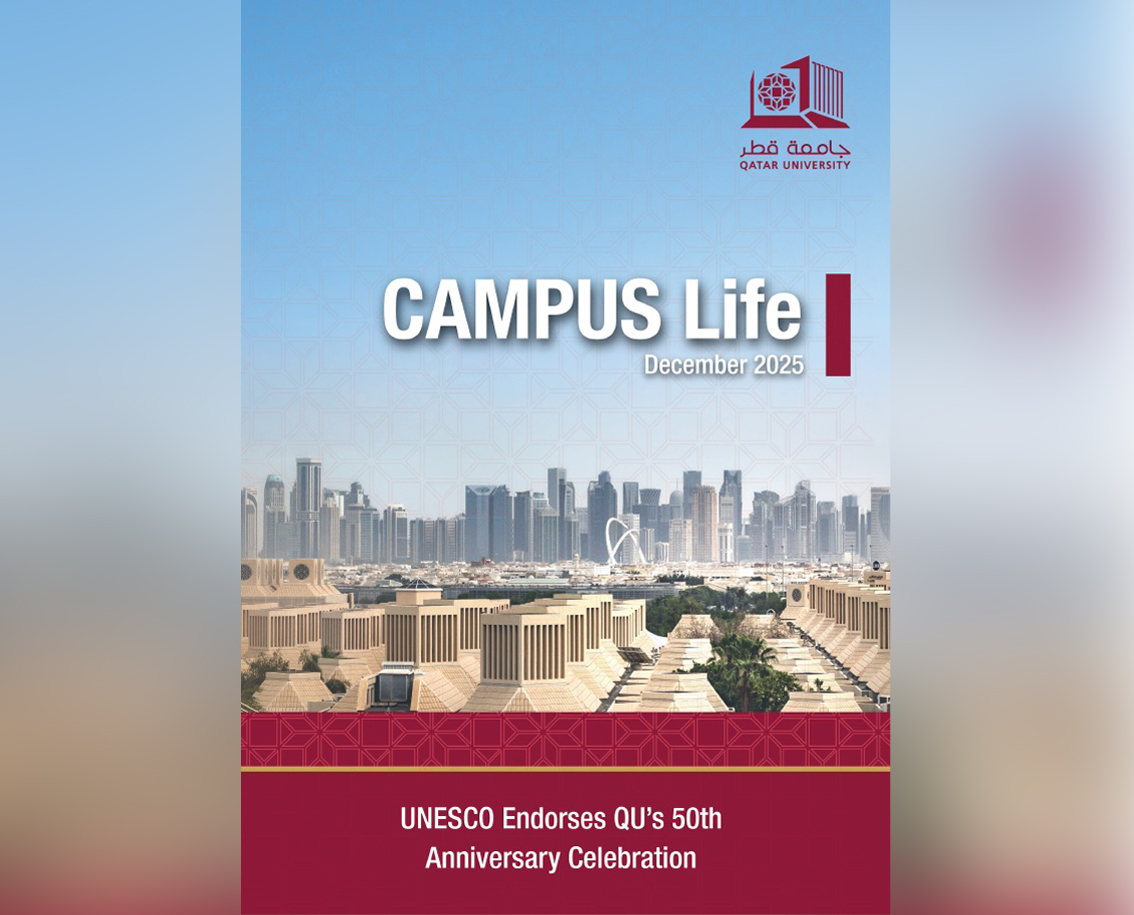

Qatar University (QU) has released the latest edition of its quarterly magazine, Campus Life, providing a comprehensive overview of university activities and developments. The digital publication, available in both Arabic and English, details updates on academic affairs, student life, and new services offered at the institution. This edition aims to connect the QU community and inform the wider public about happenings within the university.
Published by the Department of Communication and Public Relations, Campus Life serves as a key communication tool for QU, disseminating information about events, research, and initiatives. The magazine is released at the end of each academic semester, with a special issue coinciding with the annual graduation ceremony. This consistent schedule ensures regular updates for students, faculty, and stakeholders.
Understanding the Scope of Qatar University’s Campus Life Magazine
The magazine’s content is designed to be broadly relevant to the QU community. It features detailed reports on ongoing projects, interviews with key figures within the university, and in-depth coverage of topics impacting the academic environment. According to QU officials, the publication strives to reflect the diverse experiences and perspectives of those involved in university life.
Key Areas of Coverage
The latest edition reportedly includes updates on several key areas. These include new academic programs, student support services, and research breakthroughs achieved by QU faculty. Additionally, the magazine highlights recent campus events and initiatives aimed at fostering a vibrant learning community.
The Department of Communication and Public Relations emphasizes the magazine’s role in bridging communication gaps within the university. It aims to keep students informed about opportunities for involvement and provide faculty with a platform to share their expertise. This focus on internal communication is crucial for maintaining a cohesive and engaged university environment.
However, the magazine also extends its reach beyond the QU campus. By sharing information with the broader community, it aims to showcase the university’s contributions to Qatar’s educational landscape and its role in national development. This external outreach is an important aspect of QU’s public engagement strategy.
The magazine’s digital format allows for wider accessibility and easier distribution. This move towards a primarily digital publication reflects a broader trend in academic institutions seeking to leverage online platforms for communication. The availability in both Arabic and English ensures inclusivity and caters to QU’s diverse student body and faculty.
Meanwhile, the continuous development of sections within the magazine demonstrates QU’s commitment to adapting to the evolving needs of its community. The university regularly solicits feedback from readers to improve the content and format of Campus Life. This iterative approach ensures the magazine remains a relevant and valuable resource.
In contrast to traditional print publications, the digital format allows for the inclusion of multimedia elements, such as videos and interactive graphics. This enhances the reader experience and provides a more engaging way to consume information about Qatar University. The use of digital tools also facilitates data collection and analysis, allowing QU to better understand its audience and tailor content accordingly.
The release of Campus Life aligns with Qatar’s broader efforts to promote higher education and research. The country has invested heavily in its universities, aiming to establish itself as a regional hub for knowledge and innovation. QU plays a central role in this vision, and the magazine serves as a window into its progress.
Looking ahead, the Department of Communication and Public Relations is expected to release the next edition of Campus Life at the conclusion of the current academic semester. The content will likely focus on end-of-year achievements and preparations for the upcoming summer break. Future editions may also incorporate more interactive features and personalized content based on user feedback and evolving communication trends within student affairs and academic resources.