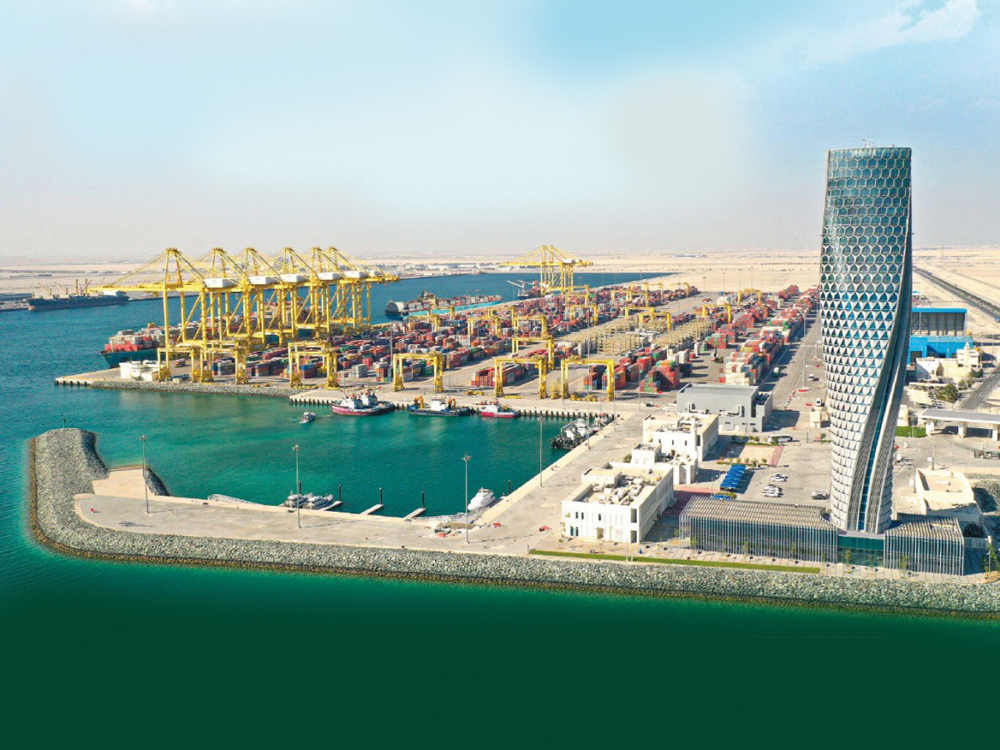

Doha, Qatar – Hamad Port is rapidly becoming a critical transshipment hub for the region, playing an increasingly important role in Qatar’s economic diversification efforts and its Vision 2030 goals. Recent data indicates substantial growth in cargo volumes and expanding shipping connections are fueling this momentum, solidifying the port’s position as a key player in global trade. This growth is particularly notable as Qatar continues to develop its logistics infrastructure and attract international shipping lines.
Located strategically on the Arabian Gulf, Hamad Port has seen consistent increases in activity throughout 2025. According to Mwani Qatar, the company managing the port, transshipment volumes across all Qatari ports, led by Hamad, have risen significantly, demonstrating growing confidence in the nation’s maritime capabilities. This positive trend extends to other cargo types, including roll-on/roll-off (RORO) and bulk materials.
Hamad Port’s Rise as a Leading Transshipment Hub
The port’s success is attributed to its advantageous location at the intersection of major East-West and North-South trade routes. This positioning, combined with substantial investments in modern infrastructure and advanced cargo handling technologies, allows for faster turnaround times and increased capacity. The ability to efficiently manage a growing volume of goods is crucial for attracting and retaining business.
Further bolstering its reputation, Hamad Port achieved a top ranking in the Gulf and 11th place globally in the 2024 Container Port Performance Index. This index, a benchmark for operational efficiency and service quality, highlights the port’s commitment to providing world-class services to its clients. The ranking is a testament to the effectiveness of the port’s management and technological advancements.
Recent Performance Data
In September 2025, Qatar’s ports handled a combined 124,740 twenty-foot equivalent units (TEUs), with transshipment activity increasing by 12 percent compared to August. RORO handling experienced an even more substantial surge, rising by approximately 34 percent month-on-month. General and bulk cargo exceeded 45,000 tonnes during the same period.
The first half of 2025 also showed strong performance, with a total increase of 11 percent in transshipment volumes compared to the previous year. Over 742,000 TEUs were processed through Qatari ports during this time, with Hamad Port handling approximately 368,000 TEUs, reinforcing its role as Qatar’s primary gateway for international trade. The port also saw increases in livestock and building material handling.
Looking at the full year 2024, Hamad Port reported a 23 percent year-on-year increase in transshipment activity. Total container handling rose by 10 percent to 1.455 million TEUs, while RORO units surged by 62 percent and livestock volumes grew by 22 percent. This demonstrates a consistent upward trend in the port’s capabilities and appeal to global shipping companies. The growth in RORO suggests increased vehicle trade in the region.
Hamad Port’s strategic location facilitates cargo movement towards markets in the upper Gulf, including Kuwait and Iraq, as well as providing connections southward to Oman. Additionally, the port is increasingly supporting marine tourism and related activities, contributing to a broader range of economic benefits. The development of these ancillary services is a key component of Qatar’s diversification strategy.
The ongoing development of Hamad Port is also impacting regional logistics. By offering a reliable and efficient alternative to other ports in the area, it is encouraging greater competition and driving down costs for businesses. This increased efficiency benefits not only Qatar but also the wider region.
Looking ahead, Mwani Qatar is expected to continue investing in infrastructure and technology to further enhance Hamad Port’s capabilities. Future developments may include expanding container storage capacity and implementing more advanced automation systems. However, the port’s continued success will also depend on global economic conditions and the stability of regional trade routes. Monitoring these factors will be crucial in assessing the long-term impact of Hamad Port on Qatar’s economy and its role as a global maritime center.