






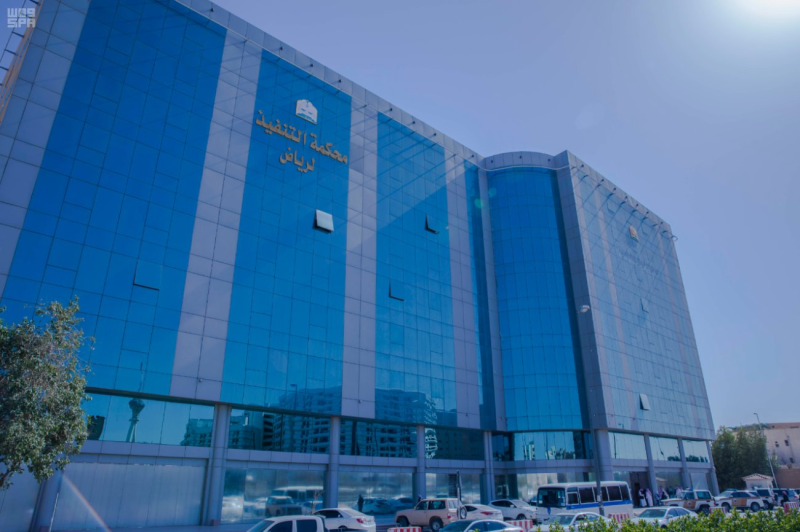

A Saudi court has sentenced eleven individuals – eight Saudi citizens and three Sudanese nationals – to a combined 155 years in prison following their conviction for a complex scheme involving fraud, robbery, forgery, unlawful detention, and money laundering. The group was found guilty of defrauding victims of nearly SR40 million (approximately $10.6 million USD) through various deceptive practices. The verdict, which commuted potential death penalties, was recently upheld by the Court of Appeal and is now final, according to reports from Okaz.
The sentencing took place in Riyadh and concludes a lengthy investigation into the organized criminal network. Authorities allege the group targeted a range of individuals, including prominent figures in Saudi sports and culture. The case highlights the Kingdom’s ongoing efforts to combat financial crime and protect its citizens from sophisticated scams.
Details of the Extensive Fraud Operation
The investigation revealed a meticulously planned operation led by a businessman who utilized a network of accomplices to carry out the crimes. These accomplices included his “misyar” wife – a form of temporary marriage contract in Saudi Arabia – who worked as a hairdresser and assisted in concealing illicit activities. The group employed tactics such as forging property deeds and creating fake real estate transactions to deceive victims.
Additionally, the criminals resorted to intimidation and violence, using handcuffs and a firearm to detain individuals and coerce them into handing over bank checks. One particularly brazen incident involved stealing a check from an honorary member of a major Saudi football club while the victim was engaged in prayer.
Victims and Methods
Victims included a former supervisor of the Saudi national football team, who was defrauded of SR12 million (approximately $3.2 million USD), and a blind woman who lost SR6 million (approximately $1.6 million USD). The perpetrators allegedly exploited the trust of these individuals, convincing the blind woman to grant them powers of attorney to seize her assets.
The ringleader attempted to project an image of wealth and legitimacy by renting a luxurious seaside chalet for SR1 million annually and using high-end vehicles and phone numbers. Real estate brokerage offices were reportedly exploited to facilitate the fraudulent transactions, with one broker even being held captive and threatened within the chalet to secure a bank check.
Prosecutors presented a substantial body of evidence, comprising nearly 250 items including digital records, confessions, and financial documentation. The investigation also uncovered the ringleader’s prior criminal record and multiple outstanding arrest warrants, indicating a pattern of illegal behavior.
The misyar wife testified that she was knowingly used to help cover up crimes, including both fraud and drug possession. This testimony provided further insight into the extent of the criminal enterprise and the lengths to which the leader went to conceal his activities.
Sentencing Breakdown and Asset Confiscation
The court handed down varying sentences based on each defendant’s role in the crimes. The leader of the group received the harshest penalty: 25 years in prison, coupled with a 25-year travel ban. His misyar wife was sentenced to 13 years in prison, a matching travel ban, and a SR100,000 fine (approximately $26,600 USD).
One Sudanese national involved in unlawful detention, electric torture, and money laundering received an 18-year prison sentence and will be deported after serving their time. Other defendants faced sentences ranging from eight to 18 years, along with fines, travel bans, and deportation orders for non-Saudi nationals. A government employee implicated in the scheme was sentenced to 10 years in prison.
The ringleader’s sister, convicted of money laundering and fraud, received a 12-year sentence, a travel ban, and a fine. The court also ordered the confiscation of all illegally obtained funds, mobile devices, SIM cards used in the commission of the crimes, and any assets linked to the money laundering operation. The firearm used during the detentions was also seized.
This case underscores the Saudi government’s commitment to tackling financial crimes and ensuring accountability for perpetrators. The severity of the sentences reflects the seriousness with which these offenses are viewed, particularly those involving exploitation and violence. The investigation also highlights the importance of due diligence in real estate transactions and the potential risks associated with unchecked financial activity. Related investigations into potential complicity by other parties are ongoing, according to sources.
Looking ahead, the focus will likely shift to the implementation of the court’s asset confiscation orders and the repatriation of funds to the victims. Authorities will also be reviewing procedures within the real estate sector to identify and address vulnerabilities that allowed this fraud to occur. The long-term impact of this case on the Kingdom’s financial regulations and enforcement efforts remains to be seen, but it is expected to prompt further scrutiny of similar activities.