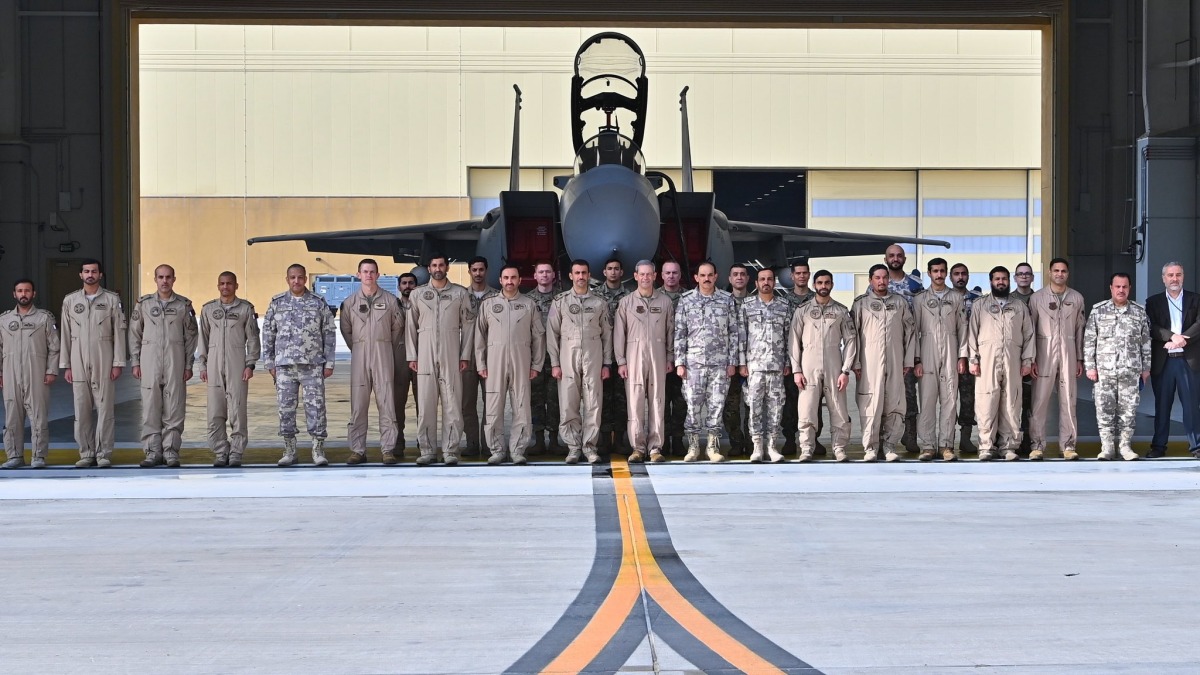

The Chief of Staff of the United States Air Force recently concluded a visit to Qatar, meeting with senior Qatari military officials and observing training exercises. The visit, which took place this week, focused on strengthening defense cooperation between the two nations and enhancing the capabilities of the Qatar Amiri Air Force. Discussions centered on mutual security interests and opportunities for further collaboration in aerial defense and training.
The US Air Force official met with Commander of the Qatar Amiri Air Force, Major General (Pilot) Faisal Khalid Al-Ghanim, and attended the graduation ceremony for several aircrew courses. The visit underscores the ongoing commitment of the United States to Qatar as a key partner in regional security, particularly concerning counter-terrorism and maintaining stability in the Gulf region. The delegation also toured facilities at Aviation Wing No. 5, which operates F-15 fighter jets.
Strengthening Qatar Amiri Air Force Capabilities
The primary objective of the visit appeared to be reinforcing the partnership between the US and Qatar in bolstering Qatar’s air defense capabilities. According to reports from the Qatari Ministry of Defense, the aircrew courses emphasized enhancing readiness, developing operational skills aligned with modern training methodologies, and supporting existing air force systems. This focus on modernization is crucial as Qatar continues to invest in its military infrastructure.
Focus on F-15 Operations
The tour of Aviation Wing No. 5, responsible for operating the F-15 Eagle, provided the US Chief of Staff with a firsthand look at Qatar’s advanced aerial assets. The F-15 is a highly capable multirole fighter, and Qatar’s continued operation of this platform demonstrates its commitment to maintaining a robust air defense posture. The briefing included details on maintenance procedures and flight line operations, highlighting the logistical aspects of sustaining such a sophisticated fleet.
Additionally, the visit comes amid ongoing regional tensions and evolving security challenges. Qatar has been actively working to diversify its defense partnerships, and the United States remains a critical ally. The US has provided significant military assistance and training to Qatar over the years, and this visit reaffirms that commitment. This collaboration extends beyond equipment and includes joint exercises and personnel exchanges.
However, the specifics of any new agreements or commitments resulting from the visit have not been publicly disclosed. The Qatari Ministry of Defense has not released detailed information regarding the discussions held between the two officials. The emphasis on training suggests a continued focus on building indigenous expertise within the Qatar Amiri Air Force, reducing reliance on external support for routine operations.
Meanwhile, the graduation ceremony itself highlighted the progress made in Qatar’s aircrew training programs. The courses are designed to equip pilots and support personnel with the skills necessary to operate and maintain advanced aircraft effectively. This investment in human capital is essential for ensuring the long-term sustainability of Qatar’s air power. The event was attended by senior officers from both the US and Qatari armed forces, signifying the importance placed on this collaboration.
The visit also aligns with broader US efforts to reassure its allies in the Middle East. The region faces numerous security threats, including terrorism, regional conflicts, and the proliferation of advanced weapons systems. Maintaining strong partnerships with countries like Qatar is seen as vital for countering these challenges and promoting regional stability. Military cooperation between the US and Qatar is a key component of this strategy.
Looking ahead, further details regarding potential future collaborations are expected to emerge in the coming months. The Qatari government is expected to announce further investments in its defense capabilities as part of its national vision. Observers will be watching for any announcements regarding potential arms sales or joint training exercises. The long-term impact of this visit will depend on the concrete steps taken by both countries to deepen their defense partnership and address shared security concerns. Continued regional security will be a key factor in future developments.