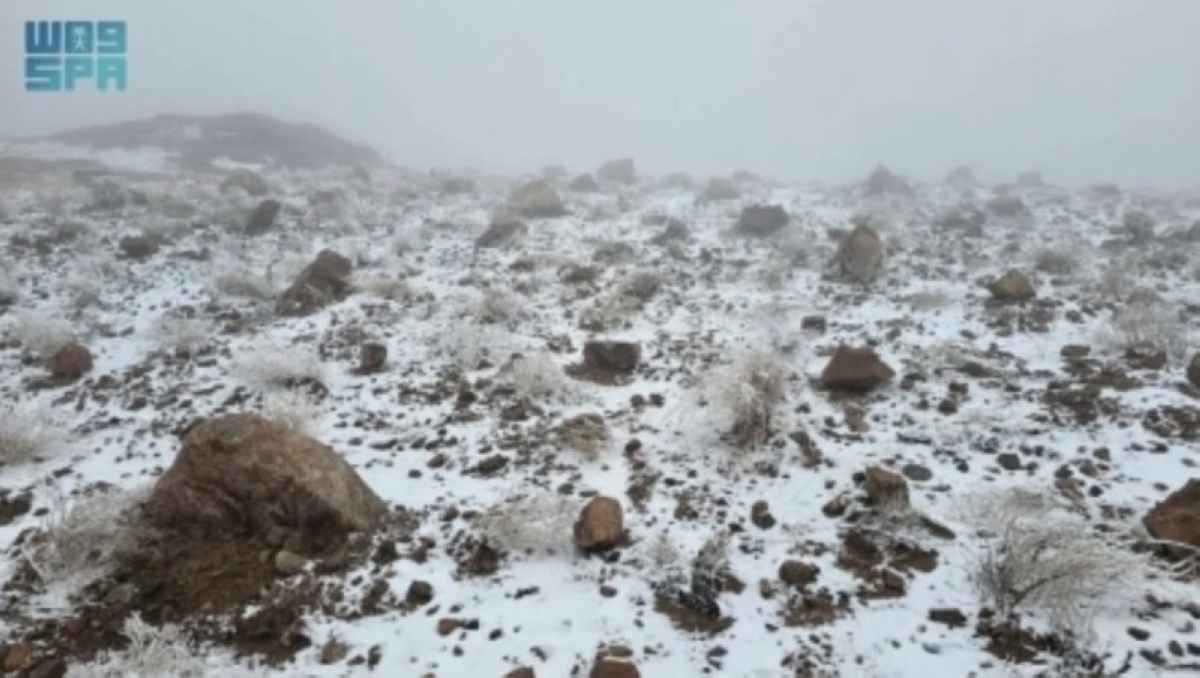

Tabuk, Saudi Arabia – Authorities in the Tabuk Province have announced a temporary adjustment to the school day schedule in anticipation of extremely cold weather. Starting Sunday, January 4, 2026, and continuing through Thursday, January 8, 2028, schools across Tabuk city and its governorates will delay their start times to 9:00 a.m. local time, prioritizing the safety of students during the forecasted cold wave. This decision impacts all educational institutions within the region.
The change, ordered under the direction of Prince Fahad bin Sultan, Emir of Tabuk Province, also includes a delay for examinations, which will now begin at 10:00 a.m. during the same period. The move comes as the National Center for Meteorology (NCM) has issued warnings about a significant drop in temperatures expected to affect several parts of Saudi Arabia. This is a proactive measure to mitigate risks associated with the severe weather.
Understanding the Tabuk Cold Wave and School Schedule Adjustment
The NCM’s recent forecast predicts a third cold wave will bring freezing temperatures to northern regions of the Kingdom, including Tabuk, starting Wednesday. Temperatures are expected to fall below zero degrees Celsius in some areas, creating hazardous conditions for children traveling to and from school. The extended duration of the schedule change, spanning multiple years, suggests a pattern of increasingly severe winter weather in the region.
This isn’t the first instance of cold weather impacting daily life in Tabuk this winter. Previous cold snaps have already resulted in substantial temperature decreases and, notably, snowfall in various locations throughout the province. Such conditions can make roads icy and dangerous, and expose individuals to the risk of hypothermia.
Regional Weather Patterns and Preparedness
Saudi Arabia, while generally known for its hot climate, experiences significant temperature variations, particularly in its northern and mountainous areas during the winter months. The NCM regularly monitors and issues alerts for extreme weather events, including cold waves, heavy rainfall, and dust storms. These alerts are crucial for local authorities to implement preventative measures.
The Tabuk region, situated in the northwest of the country, is particularly vulnerable to cold air masses originating from the Mediterranean Sea and surrounding areas. The mountainous terrain further contributes to localized temperature drops. The Ministry of Education typically works closely with meteorological authorities to ensure student safety during adverse weather conditions.
Impact on Students and Families
The delayed school start times are intended to allow temperatures to rise slightly before students begin their commute. This provides a safer environment for walking, biking, or waiting for transportation. Additionally, the later exam start times aim to give students more time to prepare and travel without facing the most extreme cold.
However, the schedule change may present logistical challenges for some families, particularly those with working parents. Schools and local authorities are expected to provide guidance and support to help families adjust to the new timetable. The impact on after-school activities and transportation schedules remains to be seen.
The decision to extend the schedule adjustment through January 8, 2028, is unusual and suggests a long-term concern about consistently cold winters. This could prompt discussions about infrastructure improvements, such as better heating systems in schools and enhanced road maintenance during the winter months. The province is also likely to review its overall winter preparedness plans.
The NCM has indicated that this weather event is part of a broader pattern of increased climate variability across the Arabian Peninsula. While predicting long-term weather patterns is complex, the trend suggests that extreme temperatures, both hot and cold, may become more frequent in the future. This necessitates ongoing monitoring and adaptation strategies.
Beyond the immediate impact on schools, the cold weather is also expected to affect other sectors, including agriculture and tourism. Farmers may need to take protective measures for their crops, while tourist activities in mountainous areas could be disrupted. Local businesses are likely to experience fluctuations in demand as people adjust their routines.
The authorities have not yet specified any criteria for potentially reverting to the regular school schedule before the end of the designated period. The duration of the adjusted schedule will likely depend on the severity and duration of the cold wave, as well as ongoing assessments of the risks to student safety. Further updates and announcements will be issued by the Emirate of Tabuk and the Ministry of Education as the situation evolves.
Looking ahead, residents of Tabuk and surrounding areas should remain vigilant and follow the guidance of local authorities regarding safety precautions during the cold weather. Monitoring the NCM’s forecasts and preparing for potential disruptions are essential. The long-term implications of these recurring cold waves on the region’s infrastructure and economy will continue to be evaluated.