


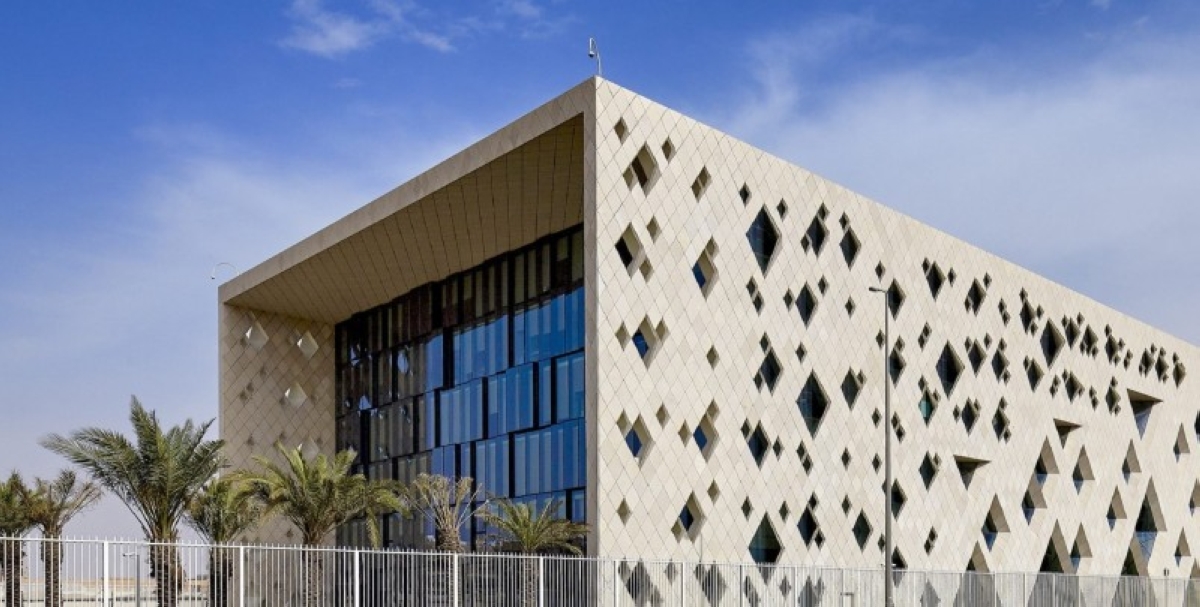

RIYADH — Prince Faisal bin Farhan, Minister of Foreign Affairs, led the inaugural meeting of the reconstituted board of directors for the Prince Saud Al Faisal Institute for Diplomatic Studies on Sunday. The meeting focused on charting the future direction of diplomatic training within the Kingdom, emphasizing capacity building and the enhancement of Saudi Arabia’s international role. The session took place in Riyadh and signals a renewed commitment to professional development within the Ministry of Foreign Affairs.
The Minister congratulated the newly appointed board members following the recent Cabinet decision formalizing their positions. Discussions centered on the institute’s overarching vision, key objectives, and the strategic programs designed to achieve them. This move comes as Saudi Arabia continues to pursue an increasingly active foreign policy agenda.
Strengthening Saudi Arabia’s Diplomatic Training Capabilities
The primary goal of the board’s deliberations was to refine the institute’s approach to preparing Saudi diplomats for the complexities of modern international relations. According to a statement released by the Ministry of Foreign Affairs, a core focus will be on strengthening national diplomatic capacities. This includes equipping diplomats with the skills necessary to effectively represent the Kingdom’s interests and navigate evolving global challenges.
Focus Areas for Development
Several key areas were identified as crucial for improvement. These include advanced negotiation techniques, cross-cultural communication skills, and a deeper understanding of international law and protocol. The board also discussed the importance of incorporating emerging technologies into the curriculum, recognizing the growing role of digital diplomacy.
Additionally, the meeting addressed the need for enhanced training in economic diplomacy, reflecting the Kingdom’s diversification efforts under Vision 2030. The development of human capital was repeatedly emphasized as a foundational element for success. This involves not only initial training but also ongoing professional development opportunities for experienced diplomats.
Meanwhile, the board considered strategies for fostering greater collaboration with international diplomatic academies and institutions. Such partnerships could provide valuable opportunities for knowledge sharing and best practice exchange. The Ministry has previously engaged in collaborative programs with institutions in Europe and North America.
Supporting the Kingdom’s International Presence
The institute’s work is directly linked to Saudi Arabia’s ambition to maintain an active and influential presence on the international stage. The Kingdom has been playing an increasingly prominent role in regional and global affairs, mediating conflicts and advocating for its interests in various forums. Effective diplomacy is considered essential for achieving these objectives.
However, navigating the current geopolitical landscape requires a sophisticated understanding of international dynamics. The board discussed the importance of equipping diplomats with the analytical skills necessary to assess complex situations and formulate effective responses. This includes training in areas such as political risk analysis and strategic forecasting.
In contrast to previous approaches, the reconstituted board appears to be prioritizing a more holistic and integrated approach to diplomatic studies. This involves not only technical training but also a focus on developing the personal qualities of diplomats, such as leadership, integrity, and adaptability. The Ministry believes these attributes are crucial for building trust and fostering strong relationships with international partners.
The discussions also touched upon the importance of public diplomacy and strategic communication. Effectively conveying the Kingdom’s message to international audiences is seen as vital for shaping perceptions and building support for its policies. This requires diplomats to be skilled communicators and adept at utilizing various media platforms.
The institute’s curriculum will likely be updated to reflect these priorities, with a greater emphasis on practical skills and real-world scenarios. The board also explored options for expanding the institute’s research capabilities, allowing it to contribute to the development of new diplomatic strategies and approaches. Foreign policy considerations were central to these discussions.
The Ministry of Foreign Affairs has indicated that the Prince Saud Al Faisal Institute for Diplomatic Studies plays a critical role in supporting Saudi Arabia’s broader national interests. The institute’s work is seen as essential for ensuring that the Kingdom has a well-trained and capable diplomatic corps ready to meet the challenges of the 21st century. This initiative aligns with the Kingdom’s broader efforts to modernize its institutions and enhance its global competitiveness.
Looking ahead, the board is expected to convene again within the next quarter to review progress on the implementation of the discussed strategies. A detailed action plan, outlining specific timelines and deliverables, is anticipated by the end of the year. The success of these efforts will depend on securing adequate resources and fostering a culture of continuous improvement within the institute. Further announcements regarding curriculum changes and new programs are expected in the coming months, and observers will be watching to see how the institute adapts to the evolving demands of international relations.