
RIYADH — A new era of strengthened economic ties between Saudi Arabia and Tunisia is underway following the conclusion of the 12th session of the Saudi-Tunisian Joint Committee in Riyadh. Five agreements, memoranda of understanding (MoUs), and executive programs were signed, focusing on bolstering economic integration across key sectors including customs, mining, and media. The agreements signal a commitment to increased bilateral trade and investment, building on recent positive growth trends.
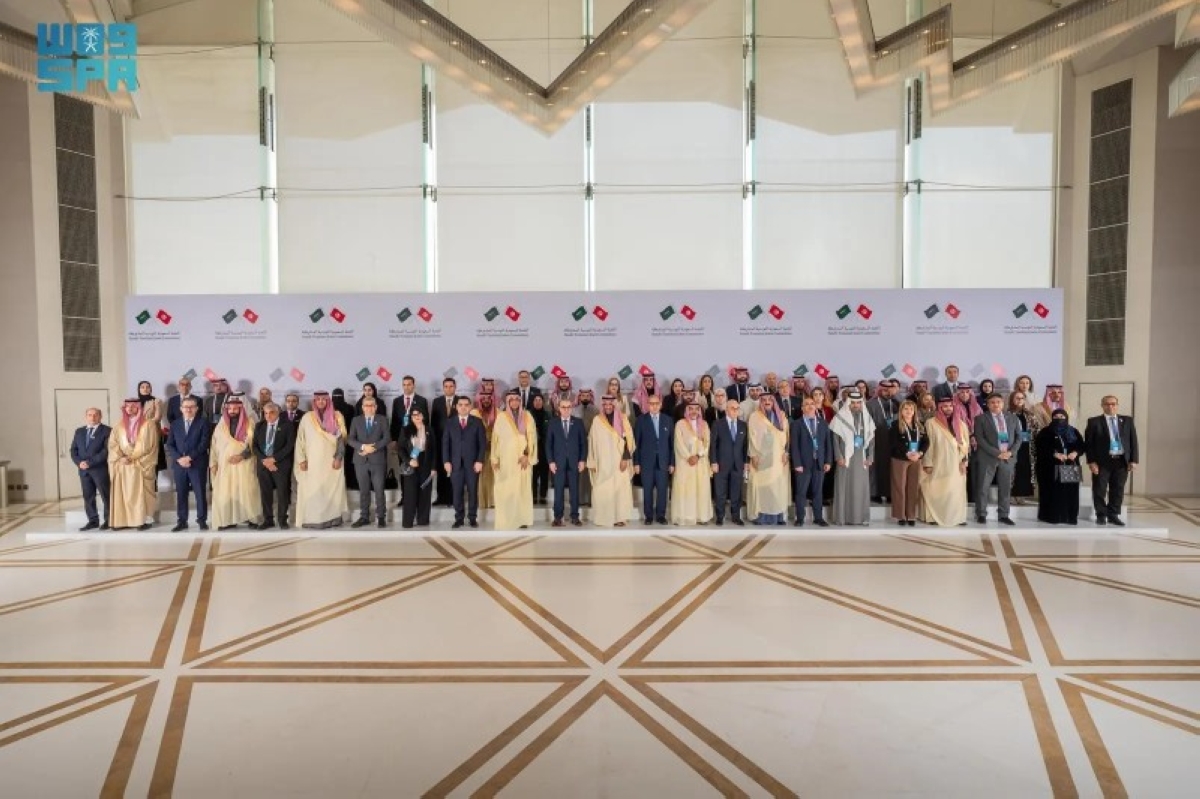
The committee meeting, co-chaired by Saudi Minister of Industry and Mineral Resources Bandar Alkhorayef and Tunisian Minister of Economy and Planning Samir Abdelhafidh, involved extensive participation from government officials from both nations. Discussions spanned a wide range of areas, from trade and investment to renewable energy and cultural exchange, highlighting the comprehensive nature of the partnership. The agreements aim to facilitate smoother cooperation and unlock new opportunities for growth.
Strengthening Economic Integration Through New Agreements
The signed agreements represent a concrete step towards deeper collaboration. A key agreement focuses on cooperation and mutual assistance in customs matters, streamlining procedures and reducing trade barriers. Another MoU will foster collaboration in the mineral resources sector, an area of increasing strategic importance for both countries. Further agreements address cooperation in postal services and radio/television broadcasting.
Key Areas of Cooperation
Beyond these core agreements, an executive program was established for cooperation and news exchange between the Saudi Press Agency (SPA) and Tunis Afrique Presse (TAP), enhancing media collaboration. The committee also reviewed progress in several other vital areas, including transport and logistics, digital transformation, tourism, and security. These discussions underscored a shared commitment to diversifying economic partnerships.
According to reports from the meeting, both sides emphasized the importance of completing existing initiatives designed to boost trade exchange. Activating the role of the Joint Business Council was also identified as a priority, alongside expanding mutual recognition of product conformity certificates. These measures are intended to create a more favorable environment for businesses in both countries.
The committee acknowledged the positive impact of the third meeting of the Joint Working Group for Trade Cooperation, held in Tunisia in July 2025. This meeting reportedly contributed to a notable 38 percent increase in trade volume by September 2025 compared to the same period the previous year, demonstrating the effectiveness of collaborative efforts. This growth in trade relations is a significant indicator of the strengthening partnership.
Representatives from both governments reviewed existing and future joint development projects, assessing their impact on economic and social development. The focus was on maximizing the benefits of mutual investments, particularly in high-value sectors, to promote knowledge transfer and create sustainable employment opportunities. This emphasis on sustainable development reflects a shared vision for long-term economic prosperity.
The 12th session resulted in the approval of minutes encompassing 100 cooperation items across 15 areas, including energy, industry, mining, justice, transport, aviation, and human resource development. This comprehensive agenda demonstrates the breadth and depth of the Saudi-Tunisian partnership. The agreements aim to consolidate bilateral relations and foster a more integrated economic landscape.
In a move to ensure continued progress, both sides agreed to hold the committee meeting biennially, alternating between Saudi Arabia and Tunisia. The secretariats will follow up on the implementation of recommendations and address challenges through two periodic meetings annually. This structured approach aims to maintain momentum and ensure accountability.
Additionally, discussions touched upon consular, security, and judicial affairs, as well as matters related to Hajj and Umrah and Islamic affairs, reflecting the multifaceted nature of the relationship. These discussions highlight the importance of people-to-people connections and cultural understanding in strengthening the overall partnership. The focus on investment opportunities was also a recurring theme throughout the sessions.
Both parties expressed their desire to convene the 13th session of the committee in Tunisia at a date to be determined through diplomatic channels. The timing of the next meeting will depend on logistical considerations and scheduling availability. Looking ahead, the success of these agreements will hinge on effective implementation and ongoing commitment from both sides. Monitoring the progress of the initiatives outlined in the minutes of the 12th session will be crucial in assessing the long-term impact of this strengthened partnership.