






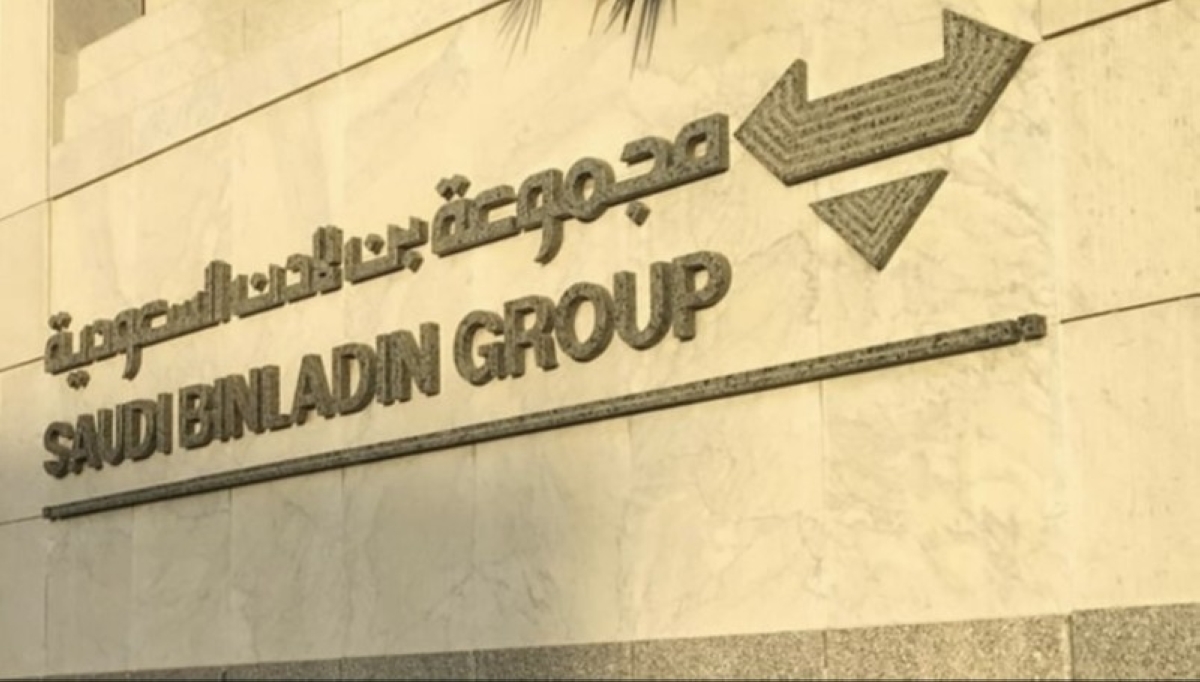

Saudi Arabia’s Ministry of Finance has significantly increased its ownership in Saudi Binladin Group, acquiring an 86% stake following a shareholder approval of a capital increase. This move, finalized recently in Riyadh, involves converting outstanding debt into equity, a key step in the conglomerate’s ongoing financial restructuring. The transaction aims to stabilize the company and support its future development plans, according to official statements.
The decision comes after the Saudi Binladin Group’s general assembly voted to approve the debt-to-equity conversion, addressing approximately 23.3 billion Saudi riyals ($6.2 billion) in liabilities owed to the Ministry of Finance. The National Debt Management Center previously secured a syndicated loan of the same amount from both local and international banks to facilitate this broader settlement process. This restructuring is a pivotal moment for the construction giant, which has faced financial difficulties in recent years.
Restructuring Saudi Binladin Group: A Deep Dive
The acquisition by the Ministry of Finance represents a major intervention to rescue one of Saudi Arabia’s most prominent, yet troubled, construction and development companies. Saudi Binladin Group, historically a key player in the Kingdom’s mega-projects, experienced significant setbacks following the 2015 Hajj stampede, which led to scrutiny and project delays. These events, coupled with broader economic challenges, contributed to a mounting debt burden.
Historical Context and Recent Challenges
Founded in 1931 by Mohammed bin Ladin, the company quickly became synonymous with large-scale construction in Saudi Arabia, playing a crucial role in the modernization of holy sites like the Masjid al-Haram in Mecca. For decades, it enjoyed close ties to the Saudi royal family and benefited from numerous government contracts. However, the company’s fortunes began to decline in the mid-2010s.
The 2015 Hajj tragedy, where a crane operated by Saudi Binladin Group collapsed, killing over 100 people, triggered investigations and a temporary ban on the company bidding for new contracts. This ban, along with a slowdown in government spending due to falling oil prices, severely impacted the group’s financial health. Subsequent attempts to manage the debt through asset sales and operational adjustments proved insufficient.
Debt Conversion Details and Ministry Involvement
The core of the restructuring involves converting the substantial debt owed to the Ministry of Finance into equity. This process effectively reduces the company’s financial obligations and provides a much-needed capital injection. The ministry’s increased ownership provides it with a direct role in overseeing the group’s recovery and ensuring alignment with the Kingdom’s Vision 2030 economic diversification plan.
According to the Ministry of Finance, the syndicated loan obtained by the National Debt Management Center was specifically designed to support the debt settlement process. This demonstrates a coordinated effort by the Saudi government to address the financial issues of Saudi Binladin Group and prevent potential systemic risks. The loan involved participation from a consortium of banks, signaling confidence in the long-term viability of the restructuring plan.
Implications for the Construction Sector and Vision 2030
The stabilization of Saudi Binladin Group is expected to have positive ripple effects throughout the Saudi construction sector. The company’s revival could lead to increased competition and potentially lower costs for future projects. Furthermore, it safeguards jobs and expertise within a vital industry for the Kingdom’s economic development.
The restructuring is particularly significant in the context of Vision 2030, Saudi Arabia’s ambitious plan to diversify its economy away from oil. The plan includes numerous large-scale infrastructure and tourism projects, requiring the capacity of major construction firms like Saudi Binladin Group. A financially stable Binladin Group is better positioned to contribute to these initiatives.
However, the Ministry of Finance’s substantial ownership also raises questions about potential conflicts of interest and the future governance of the company. Maintaining transparency and ensuring fair competition will be crucial as the group navigates its recovery. The government’s involvement will likely shape the company’s strategic direction and project selection.
The move also impacts the broader landscape of construction companies in Saudi Arabia. It sets a precedent for government intervention in financially distressed firms, particularly those deemed strategically important. This could encourage other companies facing similar challenges to seek government assistance, potentially altering the dynamics of the market. The restructuring of large Saudi corporations is becoming a key theme in the Kingdom’s economic policy.
While the debt-to-equity conversion addresses a significant portion of the company’s liabilities, challenges remain. Saudi Binladin Group still needs to streamline its operations, improve its project management capabilities, and regain the trust of its stakeholders. The success of the restructuring will depend on effective implementation of these measures.
Looking ahead, the next crucial step involves the appointment of a new board of directors reflecting the Ministry of Finance’s increased ownership. The board will be responsible for developing and executing a comprehensive turnaround strategy. Analysts will be closely watching the company’s financial performance in the coming quarters to assess the effectiveness of the restructuring and the Ministry’s oversight. The timeline for full operational recovery remains uncertain, but the Ministry of Finance has indicated a commitment to supporting the group’s long-term growth.
The situation with Saudi Binladin Group also highlights the importance of risk management in the construction industry, particularly in large-scale projects. The company’s past difficulties serve as a cautionary tale for other firms operating in the region, emphasizing the need for robust financial controls and proactive mitigation of potential risks.