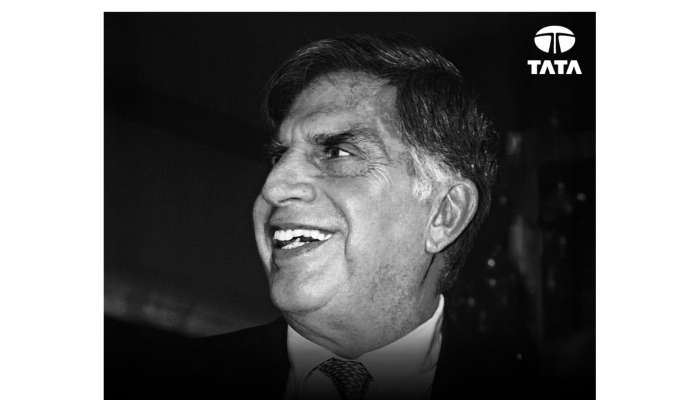

On Sunday, India paused to remember one of its most respected and beloved figures, Ratan Tata, on what would have been his 88th birth anniversary. The day was marked with tributes from across the political spectrum and the business world, celebrating the life and legacy of the industrialist and philanthropist who profoundly shaped modern India. His passing on October 9, 2024, at the age of 86, left a void, but his principles of ethical leadership and dedication to national progress continue to resonate deeply.
A Life Dedicated to Nation Building: Remembering Ratan Tata
Ratan Naval Tata wasn’t merely a successful businessman; he was a nation builder in the truest sense. Born into the illustrious Tata family, founded by his great-grandfather Jamsetji Tata, he inherited a legacy of industrial innovation and social responsibility. However, he didn’t simply rest on those laurels. He actively transformed the Tata Group into a global powerhouse, diversifying its interests and championing a vision of India as a self-reliant and globally competitive nation.
From Steel to Software: A Diversified Empire
Tata’s leadership saw the Tata Group expand dramatically beyond its traditional roots in steel. He strategically invested in sectors like automobiles with Tata Motors, information technology with Tata Consultancy Services (TCS), and telecommunications with Tata Teleservices. A pivotal moment was taking TCS public in 2004, capitalizing on the burgeoning IT boom and establishing it as a leading global technology firm. He also oversaw landmark international acquisitions, including Tetley Tea (2000), VSNL (2002), Corus Steel (2007), and the iconic British brands Jaguar and Land Rover (2008). These moves weren’t just about profit; they were about building Indian capabilities and showcasing Indian enterprise on the world stage.
The Philanthropic Vision of Ratan Tata
Beyond his business acumen, Ratan Tata will be remembered for his unwavering commitment to philanthropy. He firmly believed that true giving wasn’t about personal recognition, but about creating lasting positive change. This philosophy permeated the Tata Trusts, which under his guidance, evolved from traditional charity to a strategic, impact-driven approach. The Trusts focused on critical areas like healthcare, education, rural livelihoods, and women’s empowerment, aiming for long-term transformation and building resilient communities.
A Strategic Approach to Social Impact
Tata Trusts recognized that addressing socio-economic gaps required more than just financial aid. Their vision emphasized the importance of collaboration, innovation, and a deep understanding of local needs. This meant investing in research, developing scalable solutions, and ensuring that aid reached those who needed it most effectively. This commitment to strategic philanthropy sets a high standard for corporate social responsibility in India.
Tributes Pour In From Across the Nation
The 88th birth anniversary of Ratan Tata prompted an outpouring of tributes from prominent figures across India. N. Chandrasekaran, Chairman of the Tata Group, paid his respects at Bombay House by garlanding a statue of the late industrialist.
Home Minister Amit Shah lauded Tata for reshaping Indian enterprise with integrity and compassion. He stated that Tata showed true success lies in service to the nation and that his legacy would inspire a self-reliant India (Bharat). Maharashtra Chief Minister Devendra Fadnavis remembered him as a visionary leader who built trust and faith in Indian excellence globally. Andhra Pradesh Chief Minister Chandrababu Naidu fondly recalled his dedication to business excellence and philanthropy.
Union Ministers Dharmendra Pradhan and Piyush Goyal also joined the chorus of praise, highlighting Tata’s ethical leadership and his ability to blend innovation with compassion. Jyotiraditya Scindia emphasized that Tata’s life set a benchmark for ethical leadership, humility, and commitment to nation-building. These tributes underscore the widespread respect and admiration that Ratan Tata commanded.
Beyond Business: A Life of Quiet Dignity and Recognition
Ratan Tata was a man of many facets. He held a pilot’s license, was known for his modest lifestyle, and consistently shunned the spotlight despite his immense wealth and influence. He received numerous accolades throughout his life, including the Padma Bhushan (2000) and the Padma Vibhushan (2008), India’s second and highest civilian awards respectively.
Further recognition included the Assam Baibhav in 2021, the Honorary Officer of the Order of Australia in 2023, an Honorary Doctor of Science from IIT Bombay in 2008, the Honorary Knight Grand Cross of the Order of the British Empire (GBE) in 2014, and the Honorary Citizen Award from the Government of Singapore in 2008. These honors reflect not only his business achievements but also his significant contributions to society and international relations.
A Lasting Legacy: Inspiring Future Generations
Even after stepping down from active leadership, Ratan Tata remained a force for innovation and progress. He became a prominent investor in Indian startups, providing crucial funding and mentorship to companies like Paytm, Ola Electric, and Urban Company. His involvement in the Tata Group’s acquisition of Air India in January 2022 demonstrated his continued commitment to national interests.
The life of Ratan Tata serves as a powerful inspiration for aspiring entrepreneurs and citizens alike. His unwavering dedication to ethical leadership, social responsibility, and national development will continue to shape India’s future for generations to come. His legacy is a testament to the belief that true success lies not just in wealth creation, but in making a meaningful difference in the lives of others. The values he championed will undoubtedly guide and shape the collective purpose of India for years to come, solidifying his place as a true icon of Indian progress and philanthropy.