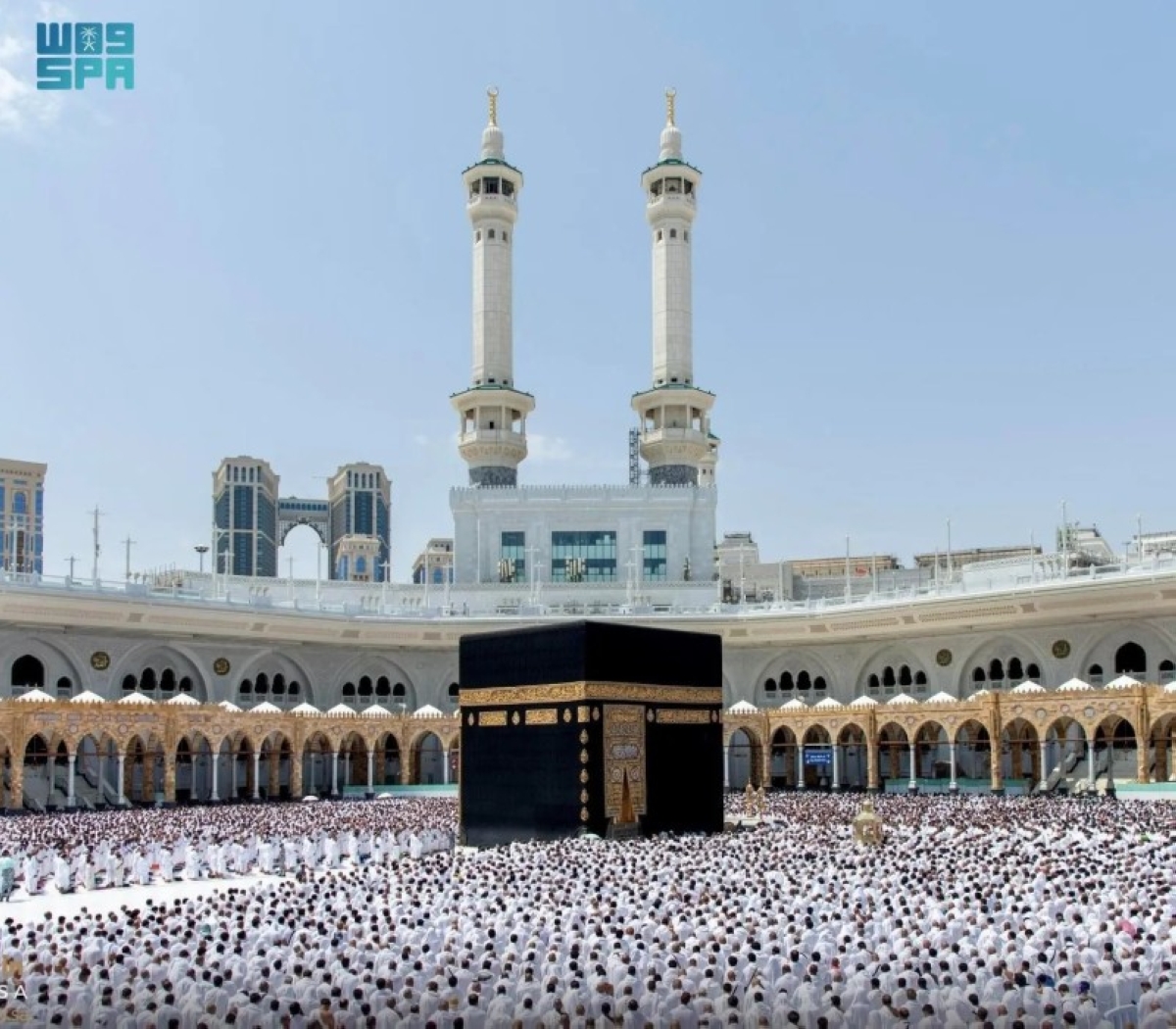

Saudi Arabia’s Ministry of Hajj and Umrah has taken action against an Umrah company and its associated foreign agent, suspending their operations due to violations of pilgrim service regulations. The enforcement follows reports of pilgrims arriving in the Kingdom without pre-arranged accommodations, a direct breach of contractual agreements. This move underscores the Ministry’s commitment to safeguarding the rights of religious visitors and improving the overall pilgrimage experience.
The suspension, announced recently, affects a specific company and its overseas partner, though their identities have not been publicly released. According to the Ministry, the violations involved a failure to provide lodging as outlined in the approved Umrah packages sold to pilgrims. This left some individuals without accommodation upon arrival, necessitating intervention from Saudi authorities.
Strengthening Regulations for Umrah Service Providers
This action is part of a broader effort by the Ministry of Hajj and Umrah to enhance oversight of companies facilitating religious travel to Mecca and Medina. The Ministry has been increasingly focused on ensuring that all service providers adhere strictly to the terms of their contracts with pilgrims. This includes not only accommodation but also transportation, visa processing, and other essential elements of the Umrah journey.
The Ministry stated that the affected company and its agent will be subject to legal procedures as a consequence of their actions. These procedures are designed to both compensate affected pilgrims and deter future violations. The severity of the penalties beyond the suspension has not been detailed.
Impact on Pilgrims
The primary goal of the Ministry’s intervention is to protect the rights of pilgrims, often referred to as “guests of God.” Arriving in a foreign country without confirmed accommodation can create significant hardship and anxiety for travelers. The Ministry emphasized that providing a safe and comfortable experience for pilgrims is a top priority.
The incident highlights the potential risks associated with booking Umrah travel through unofficial or unregulated channels. Pilgrims are strongly advised to utilize authorized travel agencies and carefully review the details of their chosen packages before making a commitment.
Vision 2030 and the Pilgrim Experience
The Ministry’s crackdown on non-compliant companies is directly linked to the Kingdom’s Vision 2030 plan. A key component of Vision 2030 is the diversification of the Saudi economy, with a significant focus on expanding the tourism sector, including religious tourism.
Improving the quality of services for pilgrims is crucial to achieving the ambitious goals set forth in Vision 2030. The plan aims to increase the number of international visitors to the Kingdom and enhance their overall experience, fostering a positive image of Saudi Arabia as a welcoming and efficient host nation.
However, achieving these goals requires a robust regulatory framework and consistent enforcement. The Ministry’s recent action demonstrates its willingness to take decisive steps to address shortcomings and ensure that service providers meet the required standards.
Compliance and Future Enforcement
The Ministry has issued a clear warning to all Umrah service providers, urging them to fully comply with existing regulations and instructions. This includes providing services precisely as outlined in the contracted programs. Failure to do so will result in similar punitive measures, the Ministry affirmed.
Additionally, the Ministry is likely to increase its monitoring and inspection activities to proactively identify potential violations. This may involve more frequent audits of company records, surprise inspections of accommodation facilities, and enhanced scrutiny of pilgrim feedback.
In contrast to past practices, the Ministry appears to be adopting a more transparent and assertive approach to enforcement. This shift is intended to build trust among pilgrims and reinforce the Kingdom’s commitment to providing a world-class religious tourism experience.
The Ministry has not specified a timeline for the reinstatement of the suspended company and its agent. The duration of the suspension will likely depend on the outcome of the legal proceedings and the company’s demonstrated commitment to rectifying the violations. It remains to be seen whether further companies will be targeted in similar enforcement actions.
Looking ahead, the Ministry is expected to continue refining its regulations and enforcement mechanisms to address emerging challenges in the Umrah sector. The focus will likely remain on ensuring pilgrim safety, protecting their rights, and enhancing the overall quality of services. Monitoring the Ministry’s announcements and actions will be crucial for travel agencies and pilgrims alike to stay informed about the evolving landscape of Umrah travel regulations.