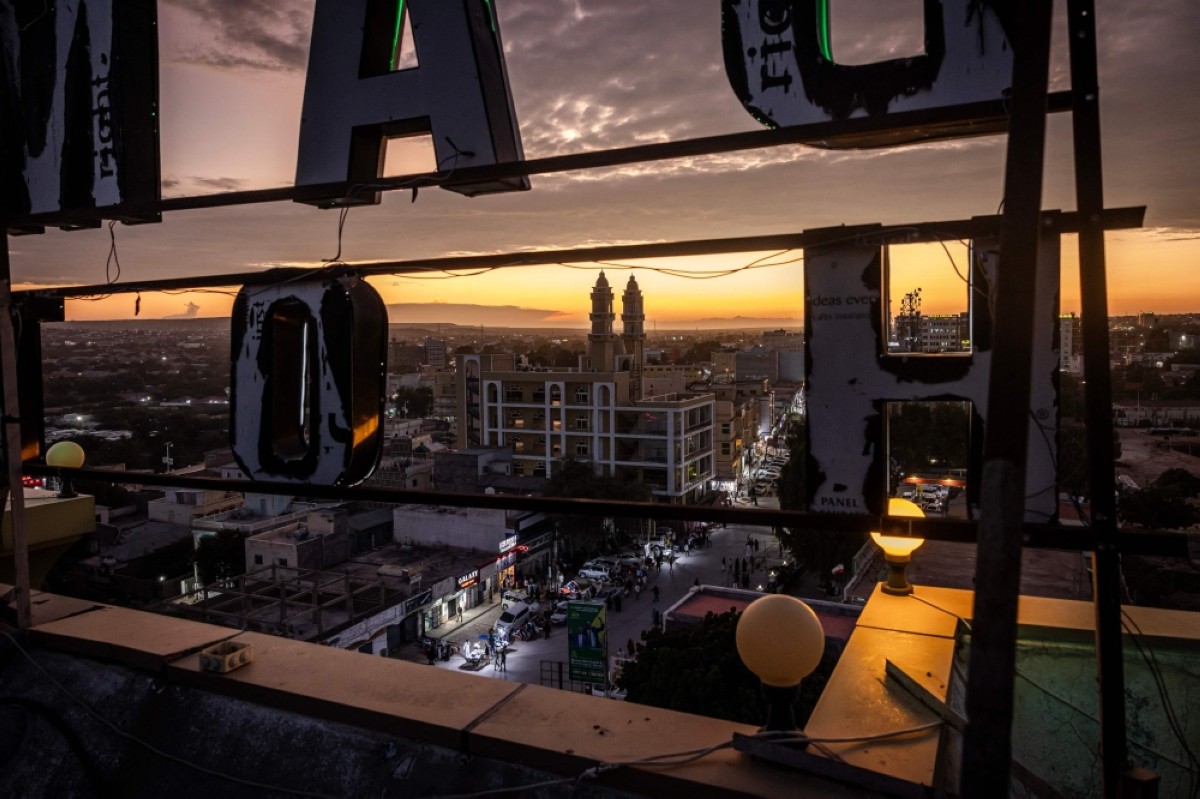

Kuwait has firmly rejected the recent decision by Israeli authorities to recognize Somaliland as an independent state, a move widely condemned across the African continent and viewed as a destabilizing force in the Horn of Africa. The Kuwaiti Ministry of Foreign Affairs issued a strong statement on Saturday reaffirming its unwavering support for Somalia’s sovereignty and territorial integrity, labeling the recognition a violation of international law. This stance highlights Kuwait’s consistent foreign policy approach and its commitment to regional stability, particularly concerning the delicate situation surrounding Somaliland recognition.
Kuwait Rejects Israeli Recognition of Somaliland
The official statement from the Kuwaiti Ministry of Foreign Affairs didn’t mince words, describing the Israeli move as “unilateral” and detrimental to the established international order. It explicitly reiterated Kuwait’s opposition to any actions that could undermine Somalia’s territorial integrity and pledged continued support for the country’s legitimate governing institutions. This firm position underscores Kuwait’s long-held belief in the importance of respecting national sovereignty and avoiding actions that could exacerbate existing conflicts.
The rejection comes swiftly after the Israeli government’s announcement on Friday formally recognizing Somaliland, a self-declared independent region in northern Somalia. This decision has sparked a significant diplomatic backlash, with Somalia itself branding the recognition as a “deliberate attack” on its sovereignty.
Regional and International Condemnation
Somalia’s outrage is mirrored by the African Union (AU), which has also strongly condemned the Israeli move. The AU views the recognition as a “dangerous precedent” that could encourage secessionist movements across the continent and ultimately threaten its overall stability. Mahamoud Ali Youssouf, the head of the pan-African body, succinctly stated that “Somaliland remains an integral part of Somalia.”
This widespread condemnation highlights the sensitivity of the issue and the potential ramifications of unilaterally recognizing a region seeking independence from a sovereign nation. The AU’s concern centers on the potential for similar claims to emerge elsewhere, leading to increased instability and conflict. The situation is further complicated by existing border disputes and political tensions within the Horn of Africa.
The Context of Somaliland’s Independence Bid
Somaliland declared its independence from Somalia in 1991, following the collapse of Siad Barre’s government and the ensuing civil war. Despite maintaining a relatively stable and functioning government for over three decades, it has not achieved widespread international recognition. President Abdirahman Mohamed Abdullahi, who assumed office last year, has prioritized securing this recognition as a key objective of his administration.
However, the international community has largely remained hesitant, fearing it could set a precedent for other separatist movements and further destabilize the already fragile region. The lack of international recognition has hindered Somaliland’s access to international finance and development aid, impacting its economic growth and stability.
Israel’s Motivations and the Abraham Accords
The timing and rationale behind Israel’s decision are closely linked to the Abraham Accords, the normalization agreements brokered by the former US administration between Israel and several Arab nations. Prime Minister Benjamin Netanyahu’s office explicitly stated that the recognition of Somaliland was “in the spirit of the Abraham Accords,” suggesting a strategic attempt to build alliances and expand Israel’s diplomatic footprint in the region.
Netanyahu also extended an invitation to President Abdullahi to visit Israel, signaling a desire to further strengthen ties. This move is seen by some as an attempt to leverage potential economic or security cooperation with Somaliland in exchange for recognition. However, critics argue that this approach prioritizes political gain over adherence to international law and respect for Somalia’s sovereignty.
Interestingly, former US President Donald Trump, when questioned about the US position on Somaliland, appeared unfamiliar with the region, stating, “No. Does anyone know what Somaliland is, really?” This highlights the limited awareness of Somaliland’s situation within even the most powerful international actors. The issue of regional politics is clearly at play here.
Kuwait’s Consistent Stance and Future Implications
Kuwait’s swift and unequivocal rejection of the Israeli recognition of Somaliland is consistent with its long-standing foreign policy principles. The country has historically been a strong supporter of Somalia’s sovereignty and has consistently advocated for peaceful resolutions to regional conflicts. This reaffirmation serves as a clear signal to Israel and other nations considering similar actions.
The situation remains fluid, and the long-term implications of Israel’s decision are uncertain. However, it is likely to further complicate the already challenging relationship between Somalia and Somaliland, and could potentially escalate tensions in the Horn of Africa. The international community will be closely watching how this unfolds, and whether other nations will follow Israel’s lead or continue to uphold the principle of respecting Somalia’s territorial integrity. The future of Somaliland’s status is now more uncertain than ever.
This article aims to provide a comprehensive overview of the situation, incorporating relevant keywords and adhering to SEO best practices for readability and search engine optimization.