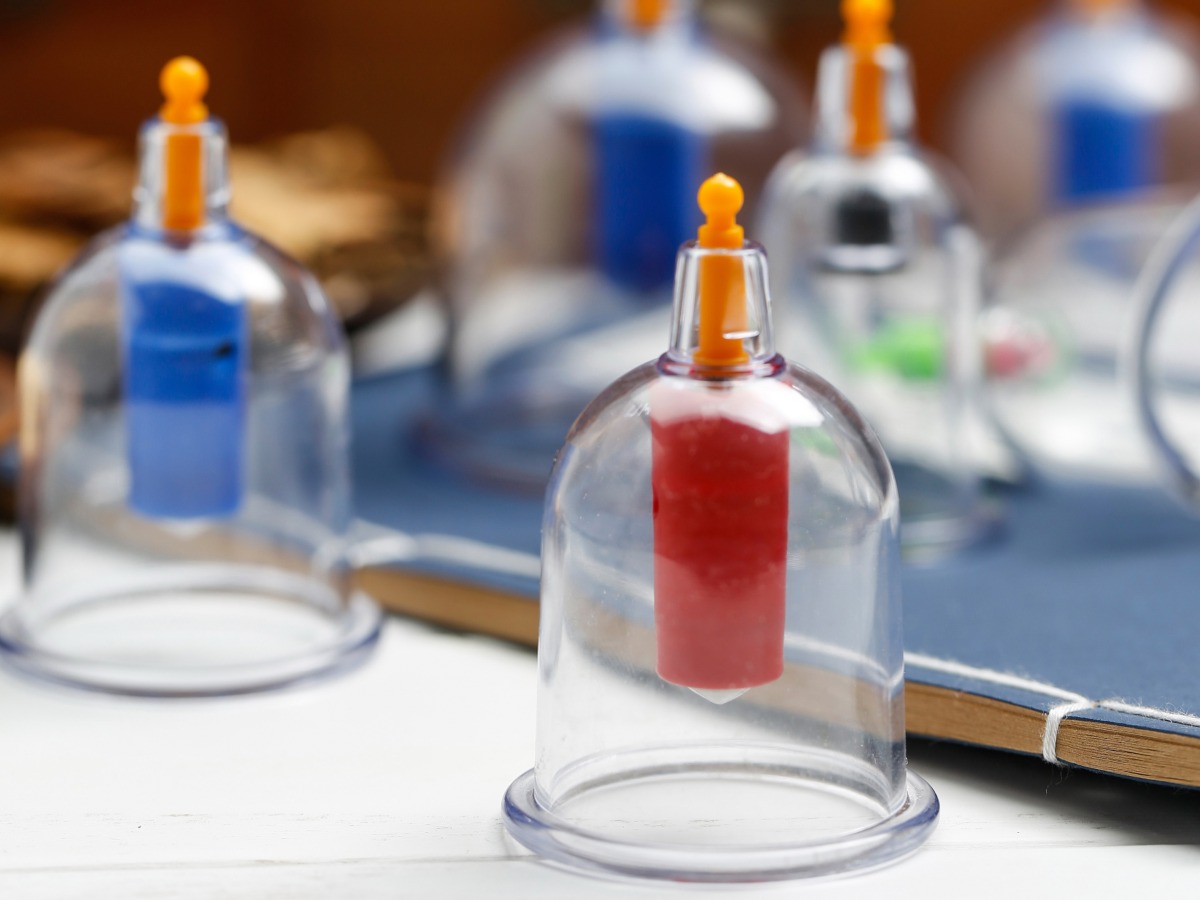

Doha, Qatar – As winter descends upon Qatar, bringing with it a rise in respiratory illnesses and weakened immune systems, cupping therapy is experiencing increased demand as a complementary health practice. Experts are highlighting the potential benefits of this ancient technique for managing seasonal ailments, while also emphasizing the importance of medical awareness and precautions. The practice is gaining traction as individuals seek holistic approaches to wellness during the colder months.
Dr. Maysoun Al-Abbadi, a specialist in cupping therapy and a member of the Traditional, Complementary and Integrative Medicine Research Network Group at Qatar University, recently discussed the therapy’s advantages during an interview with Al Rayyan TV. Her insights address common misconceptions and provide guidance on safe and effective application, particularly relevant given the seasonal increase in health concerns.
The Benefits of Cupping Therapy in Winter
Cold weather often exacerbates conditions like the common cold, coughs, chest allergies, and generally weakens the immune system. Reduced outdoor activity and increased time indoors can contribute to the spread of viruses and bacteria. Additionally, winter social habits, such as gatherings around fires or in enclosed spaces, can trigger respiratory sensitivities and allergic reactions.
According to Dr. Al-Abbadi, cupping therapy can play a supportive role in bolstering the immune system, potentially lessening the severity and frequency of winter-related symptoms. This is achieved through the stimulation of blood flow and lymphatic drainage, which helps the body to more efficiently fight off infection. It’s not a replacement for conventional medical treatment, but a complementary approach.
Beyond Muscle Relief: Respiratory and Circulatory Support
Many associate cupping therapy primarily with muscle tension and pain relief, but its applications extend beyond musculoskeletal issues. Dr. Al-Abbadi points out that the therapy can be particularly beneficial for individuals with asthma or a history of recurring respiratory problems, conditions often aggravated by winter conditions.
Furthermore, decreased fluid intake during winter, a common occurrence as people feel less thirsty, can lead to headaches, migraines, and joint stiffness. Cupping may help alleviate these symptoms by improving circulation and reducing inflammation, offering relief alongside adequate hydration. This is especially important for maintaining overall wellness during the colder months.
Important Precautions and Contraindications
While cupping therapy offers potential benefits, Dr. Al-Abbadi strongly stresses the need for responsible practice and careful consideration of individual health conditions. It is crucial to seek treatment from a qualified and experienced practitioner.
Individuals taking blood thinners should avoid cupping, as it could increase the risk of bruising and complications. Similarly, those with uncontrolled diabetes require careful assessment before undergoing the treatment. Maintaining stable blood sugar levels is paramount for safe practice.
The timing of cupping therapy in relation to antibiotic use is also important. Dr. Al-Abbadi advises against receiving cupping while actively taking antibiotics, suggesting a waiting period of several days or a week after completing the medication course. This is to avoid potential interference with the body’s recovery process and ensure optimal antibiotic effectiveness.
However, for patients with well-managed diabetes, cupping therapy may be safely administered and could even offer additional benefits by supporting circulation and overall well-being, provided blood sugar levels are consistently monitored. This highlights the importance of individualized assessment.
Related therapies like traditional medicine and acupuncture are also gaining popularity as complementary treatments.
Looking ahead, Qatar University’s research network continues to investigate the efficacy of traditional and complementary medicine practices, including cupping therapy, with a focus on evidence-based applications. Further studies are expected to provide a more comprehensive understanding of its benefits and potential risks, informing clinical guidelines and public health recommendations. The Ministry of Public Health is also expected to release updated guidance on complementary therapies in the coming months, based on ongoing research and international best practices.