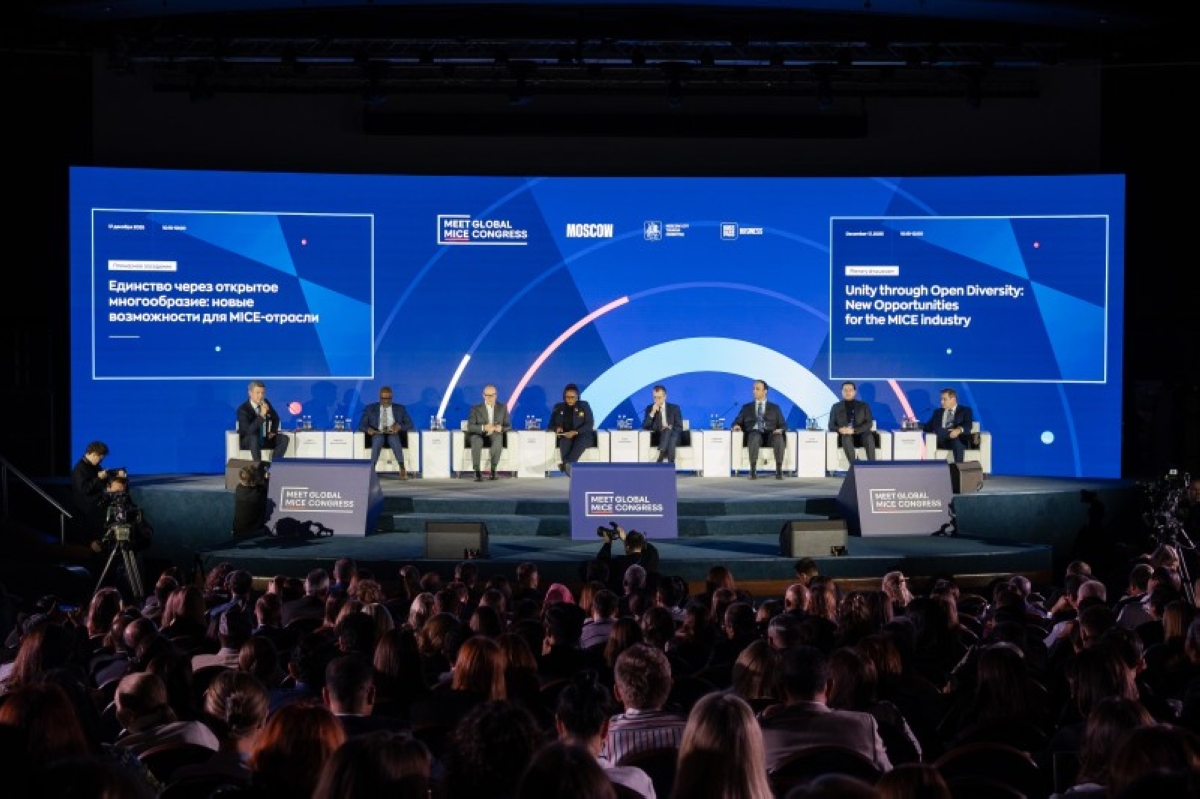

Moscow solidified its position as a leading global hub for business tourism this month, hosting the Meet Global MICE Congress (MGMC) which saw a record-breaking attendance of over 2,500 professionals. The international congress, held December 17-18, brought together experts from 37 countries within the BRICS economic bloc and the broader Global South, signaling a growing shift in the industry’s focus towards emerging markets. This year’s event more than doubled participation from the previous year and represents a significant expansion from its inaugural session in 2023.
The MGMC 2025 focused on fostering collaboration and exploring new opportunities for growth within the evolving landscape of the meetings, incentives, conferences, and exhibitions (MICE) sector. Participants included senior executives, decision-makers, and representatives from tourism agencies, associations, and event organizers, facilitating high-level networking and potential partnerships. According to organizers, over 8,000 business meetings took place during the two-day event.
The Rise of Moscow as a Business Tourism Destination
The congress underscores Moscow’s increasing prominence as a destination for international business events. The Moscow City Tourism Committee has been actively working to promote the city’s tourism potential, particularly to visitors from China, India, the Commonwealth of Independent States (CIS), and the Middle East. This includes organizing business missions and participating in industry exhibitions to attract foreign investment and visitors.
A notable trend highlighted at the MGMC was the strong representation from Middle Eastern countries, comprising 30% of all attendees. Countries like the United Arab Emirates, Saudi Arabia, and Qatar are actively investing in their own MICE infrastructure and seeking opportunities for international cooperation. This reflects a broader regional strategy to diversify economies and enhance global connectivity.
Key Themes and Discussions
The MGMC program featured 15 business sessions covering a wide range of topics relevant to the MICE industry. Discussions centered around the efficacy of business events, the impact of technology – including artificial intelligence and neurotechnology – and the growing importance of the experience economy. Personalization, gamification, and hybridization of event formats were also key areas of focus.
Speakers emphasized the role of business tourism as a driver of economic development and international diplomacy. Mubarak Al Shamsi, Director of Abu Dhabi Convention & Exhibition Bureau, noted the industry’s ability to “build bridges around the world” and promote economic diversification. The event also explored the multiplier effect of large-scale events and the evolving needs of modern event attendees.
Attendees included prominent figures such as Ruqaya Cassim, Acting Director of Visit Qatar, Mint Leong, President of the Malaysian Inbound Tourism Association, and Hosea Andreas Runkat, Chairman of the Indonesian Exhibition Companies Association. Representatives from China, India, and several African nations also participated, demonstrating the global reach of the congress.
The event also showcased local initiatives with dedicated stands for “Made in Moscow” and “Moscow Tea Party” projects, aiming to integrate local culture and offerings into the business tourism experience. The Hosted Buyers program, featuring over 200 participants, specifically focused on showcasing Moscow as a compelling destination for future events.
The inaugural MGMC in 2023, the largest international business tourism event in Russia, brought together representatives from 17 countries. This year’s BRICS-focused edition built upon that success, expanding both participation and the scope of discussions. The congress’s theme, “Unity Through Open Diversity: New Opportunities for Global Growth,” resonated with attendees as they explored strategies for navigating a complex and changing global landscape.
Looking ahead, the success of the MGMC suggests a continued focus on emerging markets and innovative approaches to business tourism. Organizers have not yet announced a date or location for the next congress, but are expected to build on the momentum generated by this year’s event. The ongoing geopolitical situation and its potential impact on international travel will be a key factor to watch as plans for future iterations of the congress develop. Further analysis of attendee feedback and the impact of the hosted buyer program will likely inform future strategies for attracting international MICE business to Moscow and Russia.