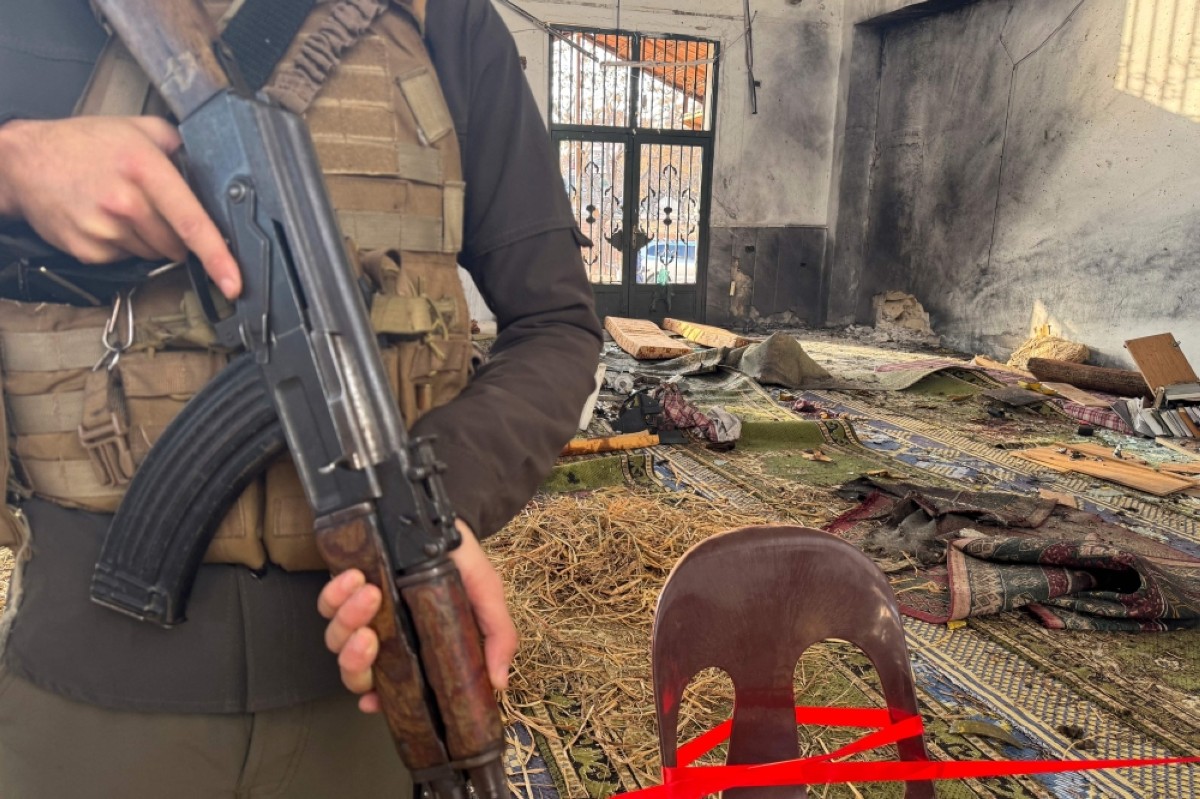

The recent terrorist bombing at a mosque in Homs, Syria, has drawn swift and strong condemnation from Kuwait and the international community, highlighting the ongoing instability and sectarian tensions plaguing the nation. The attack, which occurred during Friday prayers, resulted in numerous casualties and underscores the vulnerability of civilians even after the ouster of longtime ruler Bashar Al-Assad. This incident serves as a stark reminder of the complex challenges facing Syria as it attempts to rebuild and establish a secure future for all its citizens.
Kuwait Condemns Syria Mosque Bombing, Reaffirms Anti-Terror Stance
Kuwait’s Ministry of Foreign Affairs issued a statement expressing the country’s profound sorrow and unequivocal condemnation of the terrorist attack on the Imam Ali Bin Abi Talib Mosque in Homs. The ministry firmly reiterated Kuwait’s long-held principle of rejecting all forms of violence and terrorism, regardless of the perpetrators or their motivations. This stance reflects a broader regional and international commitment to combating extremism and protecting innocent lives.
The statement emphasized the critical importance of national unity in confronting such “cowardly acts” designed to instill fear and terrorize peaceful civilians. Kuwait extended its deepest condolences to the Syrian government and people, as well as to the families of those killed and injured in the devastating bombing. They also wished a swift and complete recovery to all those affected.
Details of the Homs Attack and Claim of Responsibility
The explosion, which took place in a predominantly Alawite area of Homs on Friday, claimed the lives of at least eight worshippers and wounded eighteen others. An AFP photographer at the scene described security forces cordoning off the area, with debris and evidence of the blast clearly visible. Witnesses recounted scenes of chaos and horror, with one injured man, Usama Ibrahim, describing the moment of the explosion as the world “turning red” and being thrown to the ground.
Responsibility for the attack was claimed by Saraya Ansar Al-Sunna, an extremist group that emerged following Assad’s removal from power. In a statement posted on Telegram, the group asserted that its fighters had “detonated a number of explosive devices” inside the mosque. This group had previously claimed responsibility for a suicide bombing in Damascus last June, which targeted a church and resulted in 25 fatalities, although Syrian authorities attributed that attack to the Islamic State group.
Investigation and Initial Findings
Syrian authorities have launched a full investigation into the incident, with the interior ministry labeling it a “terrorist explosion.” Initial reports, as cited by SANA, the state news agency, suggest that explosive devices were planted inside the mosque prior to the attack. This detail points to a deliberate and calculated effort to maximize casualties and inflict damage on the Alawite community.
The investigation is focused on identifying the individuals involved in the planning and execution of the bombing, as well as uncovering any potential networks supporting the extremist group. Authorities are collecting evidence and analyzing the remnants of the explosives to gain a clearer understanding of the attack’s methodology.
Rising Sectarian Violence in Post-Assad Syria
The Homs mosque bombing is not an isolated incident, but rather part of a disturbing pattern of escalating sectarian violence in Syria. The Alawite community, a religious minority linked to Shiite Islam, has been increasingly targeted since Assad’s fall. Reports of kidnappings and killings of Alawite individuals have become more frequent, raising fears of a wider sectarian conflict.
Just months prior, in March, a massacre of Alawite civilians occurred in Syria’s coastal areas. While authorities blamed armed supporters of Assad for initiating the violence by attacking security forces, the incident resulted in the deaths of at least 1,426 Alawite individuals, according to a national commission of inquiry, and over 1,700 according to the Syrian Observatory for Human Rights. This prompted protests and a subsequent arrest campaign in predominantly Alawite regions.
The recent release of 70 detainees in Latakia, deemed not involved in war crimes, is a small step towards easing tensions, but it does little to address the underlying anxieties and vulnerabilities of Syria’s minority communities. The attack underscores the fragility of security and the urgent need for comprehensive protection measures. The situation is further complicated by the ongoing presence of various armed groups and the lack of a fully functioning and impartial justice system.
International Response and Calls for Unity
The international community has widely condemned the Homs attack. France described it as an “act of terrorism” aimed at destabilizing the country, while UN Secretary-General Antonio Guterres called it “unacceptable” and demanded that the perpetrators be brought to justice. Neighboring countries, including Saudi Arabia, Lebanon, Turkey, and Jordan, also voiced their strong disapproval.
Syria’s foreign ministry condemned the “cowardly criminal act” as a desperate attempt to undermine security and stability. Despite assurances from President Ahmed al-Sharaa, who emphasized the importance of national unity in a recent speech, minorities remain apprehensive about their future. The Supreme Alawite Islamic Council has called for international protection, arguing that the attack is part of an “organized” campaign against their community.
The ongoing cycle of violence and retribution highlights the critical need for inclusive governance, reconciliation efforts, and a commitment to protecting the rights of all Syrians. Only through genuine dialogue and a shared vision for the future can the country hope to overcome its deep-seated divisions and build a lasting peace.