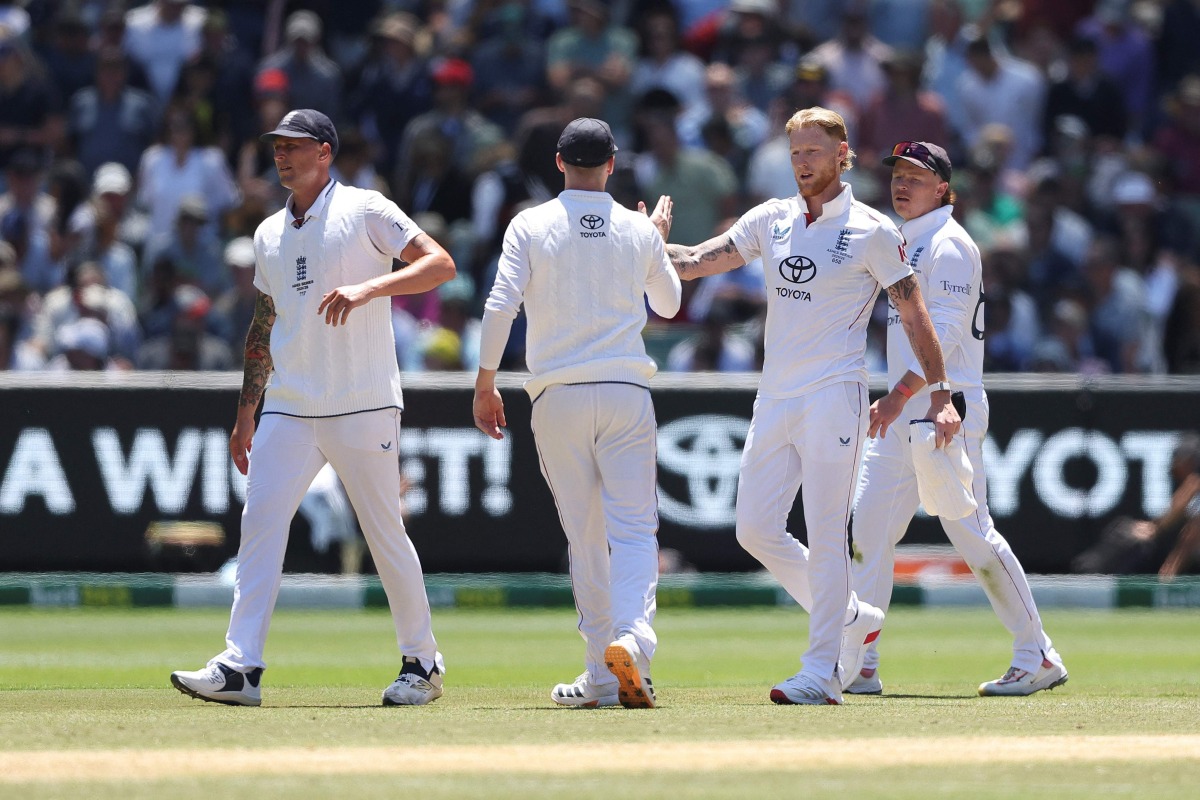

Melbourne, Australia – England secured a historic four-wicket victory over Australia in the fourth Ashes Test at the Melbourne Cricket Ground, ending a 15-year drought for an English win on Australian soil. The match concluded in just two days, a remarkably swift result that has injected new life into the series. This win restores some pride for England after losing the first three tests.
The dramatic conclusion unfolded as England chased down a target of 175, reaching the goal with six wickets in hand. Harry Brook and Jamie Smith guided the team home, sparking celebrations from the travelling “Barmy Army” of supporters. The result sets up a potentially intriguing final Test in Sydney.
England’s Ashes Victory: A Turning Point?
England’s triumph marks a significant moment in the Ashes series, which Australia currently leads 3-1. The victory comes after a period of scrutiny for the English team, including questions about their preparation and off-field conduct. According to reports, the team faced criticism for a beach break during the series that was perceived as unprofessional.
The match itself was characterized by bowler-friendly conditions at the Melbourne Cricket Ground. A total of 20 wickets fell on the first day, highlighting the challenges faced by batsmen. Former players voiced concerns about the pitch, with some suggesting it offered an unfair advantage to the bowlers.
Fast-Paced Action and Key Performances
Australia resumed their second innings at 4-0, but were quickly dismissed for 132. Gus Atkinson and Josh Tongue were instrumental in dismantling the Australian batting lineup, with Tongue claiming five wickets in the first innings. Brydon Carse also impressed, taking four wickets in the second innings.
England’s chase got off to a brisk start, with openers Zak Crawley and Ben Duckett adopting an aggressive approach. However, both fell before reaching significant scores. Jacob Bethell contributed a valuable 40 runs, while Joe Root and Ben Stokes made starts but failed to convert them into larger innings. The resilience of the lower order ultimately secured the win.
The pitch conditions heavily favored seam bowling, leading to a high number of wickets falling to fast bowlers on both sides. This contributed to the rapid pace of the match and the relatively low scores. The unusual conditions also prompted some tactical changes, such as Brydon Carse batting at number three.
Implications for the Series and Future Tours
While Australia has already retained the Ashes, England’s victory in Melbourne provides a much-needed boost to morale. The win demonstrates the team’s ability to perform under pressure and suggests a potential shift in momentum. The series has also sparked debate about the quality of pitches and their suitability for Test cricket. The focus on Test cricket and pitch preparation will likely continue.
Additionally, the performance of players like Josh Tongue and Gus Atkinson could have implications for future team selections. England will be looking to build on this victory in the final Test in Sydney, aiming to salvage some pride from the tour. The team’s approach to Bazball, a highly aggressive batting style, was evident in the opening partnership, but also highlighted the risks associated with such a strategy.
The fifth and final Test match in Sydney, scheduled to begin on January 3rd, will be crucial. The outcome will determine whether England can end the series with a consolation win or face a clean sweep defeat. The condition of the pitch at the Sydney Cricket Ground will be a key factor, and both teams will be closely monitoring the forecast. The series concludes with uncertainty surrounding Australia’s dominance and England’s potential for improvement.
ESPN Cricinfo provides further coverage of the Ashes series.
The Guardian also reports on the match.
Sky Sports offers additional analysis.