







A U.S. federal judge has issued a temporary block preventing the deportation or arrest of Imran Ahmed, the CEO of the Center for Countering Digital Hate (CCDH), following a decision by the State Department to bar him and four others from entering the United States. The move, announced earlier this week, has sparked controversy regarding free speech, foreign interference, and the role of social media regulation. This digital hate dispute centers on accusations that Ahmed and the CCDH have unfairly targeted American social media platforms.
The individuals targeted by the State Department are researchers and regulators who have focused on issues of online abuse and disinformation. According to reports, the State Department alleges they are “radical activists and weaponized NGOs” attempting to suppress conservative viewpoints. The temporary restraining order, granted late Friday, prevents the government from taking action against Ahmed while the case proceeds.
The Controversy Surrounding Imran Ahmed and Digital Hate
Imran Ahmed, a British citizen with a U.S. green card, resides in the United States with his American wife and child. He leads the Center for Countering Digital Hate, a non-profit organization that researches and campaigns against online hate speech and disinformation. The State Department’s decision to ban Ahmed and others from the U.S. came shortly after a lawsuit filed by X (formerly Twitter) against the CCDH was dismissed, though an appeal is currently pending.
State Department Justification
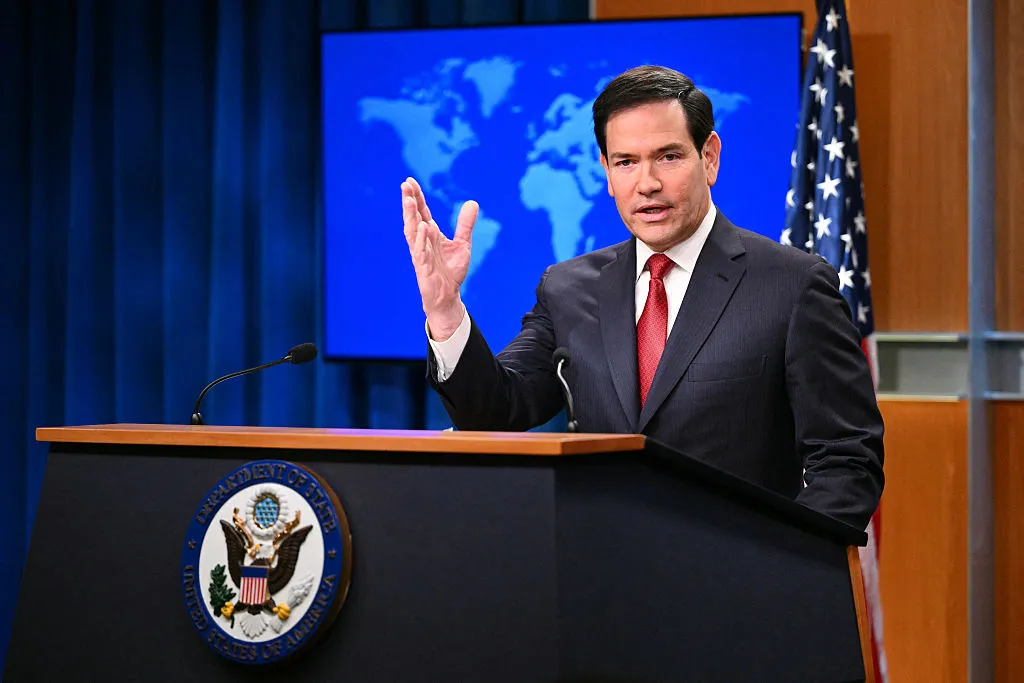
Secretary of State Marco Rubio characterized the targeted individuals as those who have “led organized efforts to coerce American platforms to censor, demonetize, and suppress American viewpoints they oppose.” This statement suggests the administration believes the CCDH and similar groups have exerted undue influence over content moderation policies on social media. However, the CCDH maintains its work is focused on identifying and mitigating the spread of harmful content, not suppressing legitimate expression.
The State Department has not publicly released detailed evidence supporting its claims. This lack of transparency has fueled criticism from civil liberties groups and legal experts who argue the ban appears politically motivated and potentially violates due process rights. Additionally, concerns have been raised about the precedent this sets for targeting foreign researchers and activists critical of U.S. companies.
CCDH’s Response and Ongoing Legal Battles
In an interview with PBS News, Ahmed described the State Department’s action as an attempt by powerful tech companies to evade accountability for the content on their platforms. He suggested the companies are leveraging their financial and political influence to silence criticism. The CCDH has been a vocal critic of Meta, OpenAI, and X, accusing them of failing to adequately address the spread of hate speech and disinformation on their services.
The lawsuit brought by X against the CCDH alleged that the organization unlawfully obtained data from the platform. A judge dismissed the case last year, finding insufficient evidence to support X’s claims. However, X is appealing the decision, and the case remains ongoing. This legal battle forms a key backdrop to the current dispute with the State Department.
Implications for Free Speech and International Relations
The State Department’s decision and the subsequent legal challenge raise significant questions about the boundaries of free speech and the role of government in regulating online content. Critics argue the ban could have a chilling effect on research and advocacy related to online harms, potentially hindering efforts to combat disinformation and hate speech.
Furthermore, the situation has implications for international relations. Some observers suggest the move could be seen as an attempt to intimidate foreign critics and protect U.S. tech companies from scrutiny. This could strain relationships with allies who share concerns about the spread of harmful content online. The incident also highlights the complex interplay between national security, free expression, and the power of social media platforms.
The case also touches upon the broader debate surrounding online safety and the responsibilities of social media companies. While proponents of greater regulation argue platforms should be held accountable for the content they host, others warn against government overreach and potential censorship. Finding a balance between these competing interests remains a significant challenge.
The issue of disinformation campaigns is also central to the dispute. The CCDH’s research has focused on identifying and exposing coordinated efforts to spread false or misleading information online, often linked to foreign governments or extremist groups. The State Department’s actions could be interpreted as an attempt to discredit this research and undermine efforts to counter disinformation.
Meanwhile, legal experts are closely watching the case to see how the court will balance the government’s authority to control its borders with the constitutional rights of individuals residing within the United States. The judge’s decision to grant a temporary restraining order suggests skepticism about the State Department’s justification for the ban.
The next step in the legal process is a hearing scheduled for next week, where a judge will consider whether to extend the temporary restraining order and potentially issue a preliminary injunction. The outcome of this hearing will determine whether Ahmed can continue to live and work in the United States while the case proceeds. The situation remains fluid, and further developments are expected as the legal battle unfolds.