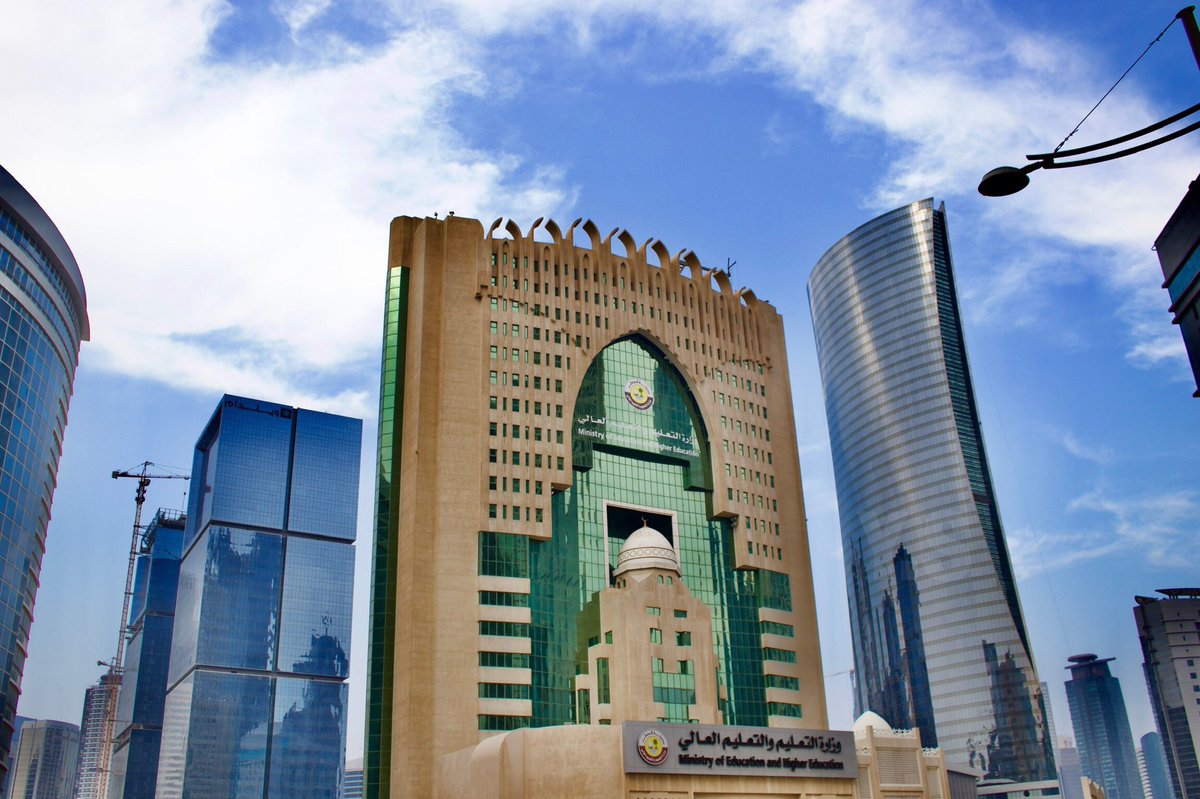

Doha, Qatar – The Ministry of Education and Higher Education (MOEHE) has announced the release of the first semester results for the 2025-2026 academic year for secondary school students. Students can now access their secondary school certificate results through the Maaref electronic portal, a move designed to streamline the process of reviewing academic performance. This announcement marks a key milestone in the academic calendar for students across Qatar.
The results were made available to students starting today, according to a statement released by the MOEHE. Access requires students to log in using their personal identification number and seat number. The ministry has also provided a convenient QR code that, when scanned, directly links users to the Maaref portal for easy access to their secondary school certificate.
Understanding the Secondary School Certificate Release
The release of the first semester secondary school certificate is a standard practice within the Qatari education system. It allows students and their families to assess progress midway through the academic year and identify areas needing improvement. This early feedback is considered crucial for maximizing student potential before final examinations.
Accessing Results via Maaref
The Maaref portal has become a central hub for educational resources and information in Qatar. It provides students with access to grades, attendance records, and other important academic details. The Ministry consistently updates the portal to ensure a user-friendly experience and secure data access.
The MOEHE emphasized the importance of secure access to student data. Utilizing a combination of personal and seat numbers helps verify identity and protect confidential information. This aligns with the nation’s broader efforts to enhance cybersecurity and data privacy within the public sector.
Additionally, the inclusion of a QR code demonstrates the Ministry’s commitment to leveraging technology for convenience. This method allows students to quickly access their results using a smartphone or tablet, bypassing the need to manually type in lengthy identification numbers. This is particularly helpful for students and parents who may be less familiar with online portals.
The timing of this release is significant, falling before the commencement of the second semester. This provides students with a valuable opportunity to adjust their study strategies based on their first-semester performance. It also allows educators to tailor their instruction to address any identified learning gaps within their classrooms.
Qatar’s education system has undergone substantial development in recent years, with a focus on improving quality and accessibility. Initiatives like the Maaref portal and the timely release of secondary school certificate results are indicative of this ongoing commitment to educational advancement. The Ministry continues to invest in digital infrastructure and teacher training to support these efforts.
While the release of these results is a positive step, it’s important to note that they represent only the first half of the academic year. Final academic results will be released after the completion of the second semester and subsequent examinations. Students are encouraged to view these results as a diagnostic tool and to proactively seek support if needed.
The MOEHE has not yet announced specific dates for the release of the final school certificates. However, based on previous years, it is anticipated that these will be available in the late spring or early summer. Parents and students should continue to monitor the MOEHE website and the Maaref portal for updates regarding the academic calendar and important deadlines.
Looking ahead, the Ministry will likely analyze the overall performance data from the first semester to identify trends and areas for systemic improvement. This data-driven approach is essential for ensuring that Qatar’s education system continues to meet the evolving needs of its students and the nation as a whole. Further announcements regarding potential adjustments to curriculum or teaching methodologies are expected in the coming months.