
Bahrain is intensifying its commitment to the United Nations’ Sustainable Development Goals (SDGs), with a significant shift towards greater private sector involvement in the preparation of its third Voluntary National Review (VNR). This strategic move, announced by the Ministry of Sustainable Development to the Shura Council, signals a recognition of the crucial role businesses play in achieving the ambitious 2030 Agenda. The upcoming VNR, due in July 2026, will showcase Bahrain’s progress and future plans for sustainable development.
Bahrain’s Collaborative Approach to Sustainable Development
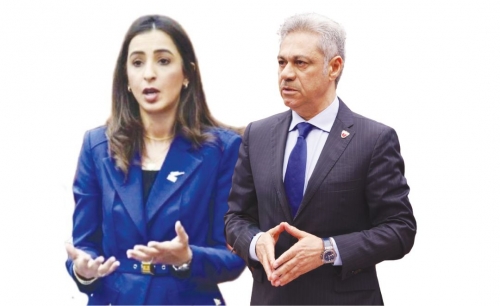
The Ministry’s response to Shura Council member Dr. Mohammed Ali clearly articulates a vision where achieving the SDGs isn’t solely a governmental responsibility. Instead, it’s presented as a shared undertaking encompassing government entities, the business community, and civil society organizations. This collaborative spirit is underpinned by the Government Programme 2022–2026, “From Recovery to Sustainable Growth,” which actively fosters cooperation between the government, the legislature, and the private sector.
This isn’t a new direction, but a strengthening of existing efforts. Bahrain’s second VNR in 2023 already saw active participation from private companies through workshops and national consultations, successfully linking national plans like Bahrain Economic Vision 2030 to the broader SDG framework.
The Ministry’s Coordinating Role
The Ministry of Sustainable Development isn’t directly implementing all SDG-related projects. Its core function is to act as a central coordinating body. This involves representing Bahrain on the international stage, gathering data from various implementing agencies, meticulously monitoring performance through the National Information and Population Team, and providing expert advice to ministerial committees to shape effective policies and programs.
Additionally, the ministry focuses on facilitating private sector engagement by sharing global best practices and identifying both opportunities and challenges within the Kingdom. This proactive approach aims to create a supportive environment for businesses to contribute meaningfully to sustainable development.
Driving SDG Progress Through Public-Private Partnerships
Bahrain is already demonstrating tangible examples of this public-private collaboration. The Ministry is working closely with the Central Bank of Bahrain to develop ESG (Environmental, Social, and Governance) disclosure guidance, encouraging transparency and responsible investment. Furthermore, discussions with local banks, facilitated in partnership with the IMF, are underway to accelerate progress towards the SDGs within the financial sector.
Another key initiative is the Green Factory Label programme, developed in collaboration with the Ministry of Industry and Commerce. This program incentivizes businesses to adopt environmentally friendly practices and promotes sustainable manufacturing. These initiatives highlight the government’s commitment to integrating sustainable development into various sectors of the economy.
Engaging Youth and Fostering Innovation
Recognizing the importance of future generations, the Ministry is actively engaging youth through innovative programs. A recent financial inclusion challenge, co-hosted with Mastercard, Tamkeen, and Benefit, aimed to promote financial literacy and access to financial services. Simultaneously, a sustainable tourism photography contest, organized through Youth City 2030, raised awareness about responsible tourism practices.
These initiatives demonstrate a commitment to fostering a culture of sustainability among young Bahrainis, equipping them with the knowledge and skills to contribute to a greener future. The Ministry understands that innovation is key to achieving the SDGs, and actively seeks to unlock the potential of the private sector in this regard.
The Private Sector: A Cornerstone of Bahrain’s SDG Strategy
The Ministry has consistently emphasized that the private sector is central to achieving the SDGs through investment, funding, and, crucially, innovation. This isn’t simply a request for financial contributions; it’s a call for businesses to integrate sustainable practices into their core operations and develop innovative solutions to address pressing challenges.
Continued coordination across government is vital to ensure the effective delivery of targets and indicators outlined in the Voluntary National Review. The Ministry’s role in streamlining processes and fostering collaboration will be instrumental in maximizing the impact of these efforts. The focus on ESG principles and responsible investment is expected to attract further foreign direct investment aligned with Bahrain’s sustainability goals.
In conclusion, Bahrain’s approach to the 2030 Agenda is evolving, with a clear emphasis on leveraging the power of the private sector. By fostering collaboration, providing a supportive regulatory environment, and showcasing successful partnerships, the Kingdom is positioning itself as a regional leader in sustainable development. The upcoming VNR in 2026 will be a crucial opportunity to demonstrate Bahrain’s progress and reaffirm its commitment to a more sustainable future. To learn more about Bahrain’s SDG initiatives, visit the Ministry of Sustainable Development’s website or contact them directly at [email protected].