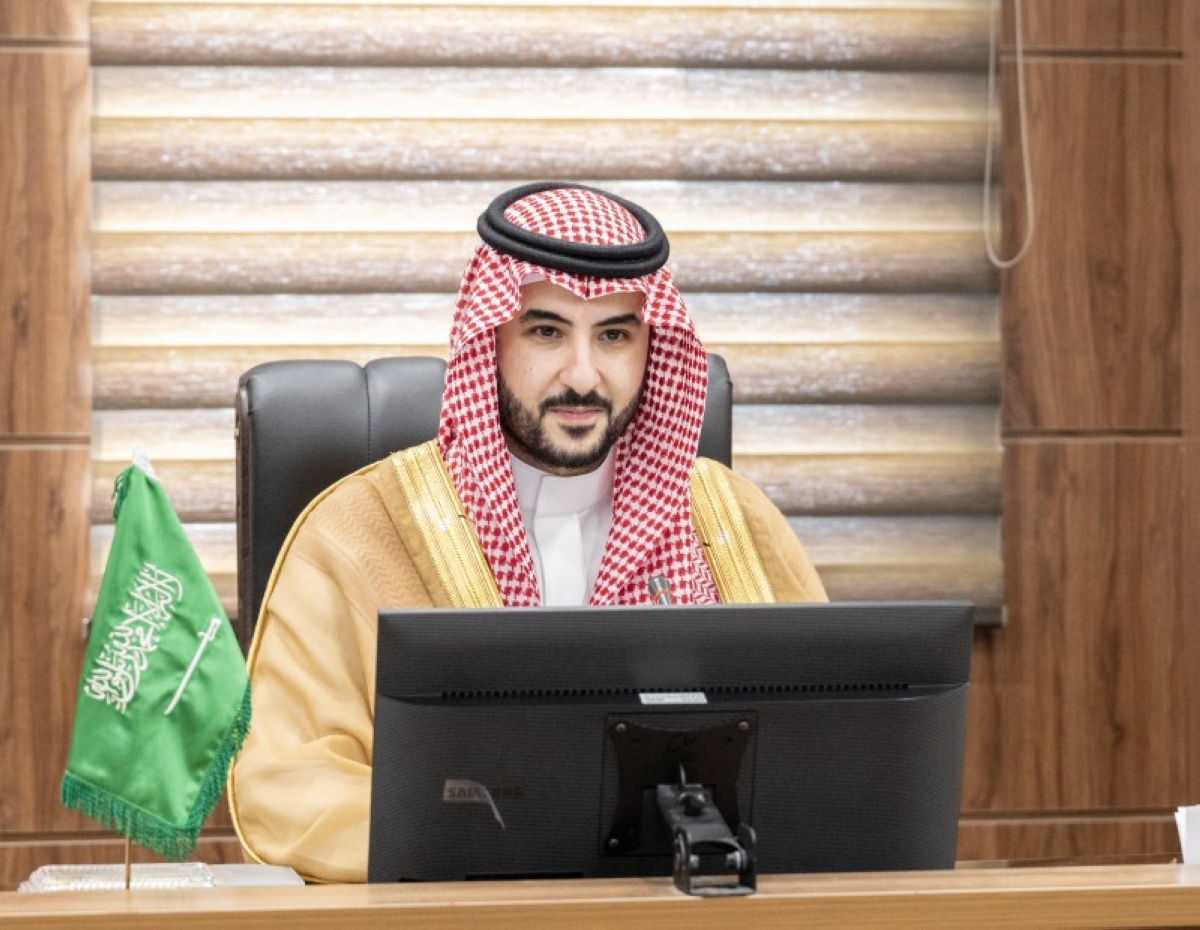

RIYADH — Prince Khalid bin Salman, Saudi Arabia’s defense minister, has urged the Southern Transitional Council (STC) in Yemen to de-escalate tensions in eastern Yemen and engage with Saudi-Emirati mediation efforts. The call comes amid rising concerns over military movements in Hadramout and Al-Mahrah governorates, threatening to undermine stability and complicate ongoing peace initiatives in the region. The situation highlights the complex dynamics of the Yemen conflict and the challenges to achieving a lasting political settlement.
The appeal, made via a post on X (formerly Twitter) on Saturday, specifically requests the STC to withdraw forces from camps in Hadramout and Al-Mahrah and transfer control to the National Shield Forces and local authorities. This follows recent developments beginning in early December 2025, which Saudi officials say have fractured internal unity and weakened efforts against shared adversaries, including Houthi rebels.
The Escalating Tensions in Southern Yemen
The current escalation centers on control of key areas in southern Yemen, particularly Hadramout and Al-Mahrah, which are strategically important due to their oil resources and proximity to the Gulf of Aden. The STC, which seeks greater autonomy for southern Yemen, has been asserting its authority in these regions, leading to clashes with forces loyal to the internationally recognized Presidential Leadership Council (PLC).
Historical Context of the Southern Issue
Saudi Arabia has long acknowledged the southern issue as a legitimate political concern, according to Prince Khalid’s statement. The Kingdom hosted the Riyadh Conference and brokered the Riyadh Agreement in an attempt to integrate southern representation into the Yemeni government and facilitate a political resolution through dialogue. This agreement aimed to end exclusion and foster national partnership.
However, the implementation of the Riyadh Agreement has faced numerous obstacles, and tensions between the STC and the PLC have persisted. The STC’s recent actions are seen by some as a challenge to the authority of the PLC and a move to consolidate control over southern territories. The ongoing political instability complicates efforts to address the humanitarian crisis affecting millions of Yemenis.
Saudi Arabia’s Role and Concerns
Prince Khalid emphasized that Saudi Arabia’s intervention in Yemen, alongside a coalition of Arab states, was initiated at the request of the legitimate Yemeni government to restore state authority. He highlighted the pivotal role of liberating southern governorates in achieving this objective and preserving Yemen’s territorial integrity.
The Saudi defense minister warned that the recent escalation undermines these gains and risks reigniting internal conflicts. He praised southern leaders and groups who have prioritized de-escalation and stability, urging others to follow suit. Saudi Arabia has provided substantial economic aid and humanitarian assistance to Yemen throughout the conflict, aiming to alleviate the suffering of the population.
Regional Mediation Efforts and Coalition Response
Saudi Arabia and the United Arab Emirates are jointly mediating to de-escalate the situation. Arab Coalition spokesman Turki Al-Maliki stated on Saturday that any military movements that undermine these mediation efforts would be addressed immediately, following a request from Rashad Al-Alimi, head of the Yemeni Presidential Leadership Council. This indicates a firm commitment to protecting civilians and supporting de-escalation.
The coalition’s statement serves as a clear warning to the STC against further escalation. The immediate priority is to secure a ceasefire and return to negotiations. The Yemeni civil war has created a complex web of alliances and rivalries, making a comprehensive resolution particularly challenging.
Meanwhile, the international community continues to call for a peaceful resolution to the conflict. The United Nations has been actively involved in mediation efforts, but progress has been slow. The humanitarian situation in Yemen remains dire, with millions facing starvation and disease.
The Kingdom has consistently maintained that a comprehensive political settlement in Yemen must address the southern issue through consensus and trust-building. Prince Khalid reiterated this position, emphasizing the need for commitment to agreements and avoiding reckless actions. The future of southern Yemen remains a central component of any lasting peace agreement.
Looking ahead, the next few days will be critical in determining whether the STC will respond positively to the Saudi-Emirati mediation efforts. The deadline for a potential withdrawal of forces from Hadramout and Al-Mahrah is unclear, but continued escalation could prompt a stronger response from the Arab Coalition. The success of the mediation hinges on the willingness of all parties to prioritize dialogue and compromise, and the situation remains highly fluid and subject to change.