






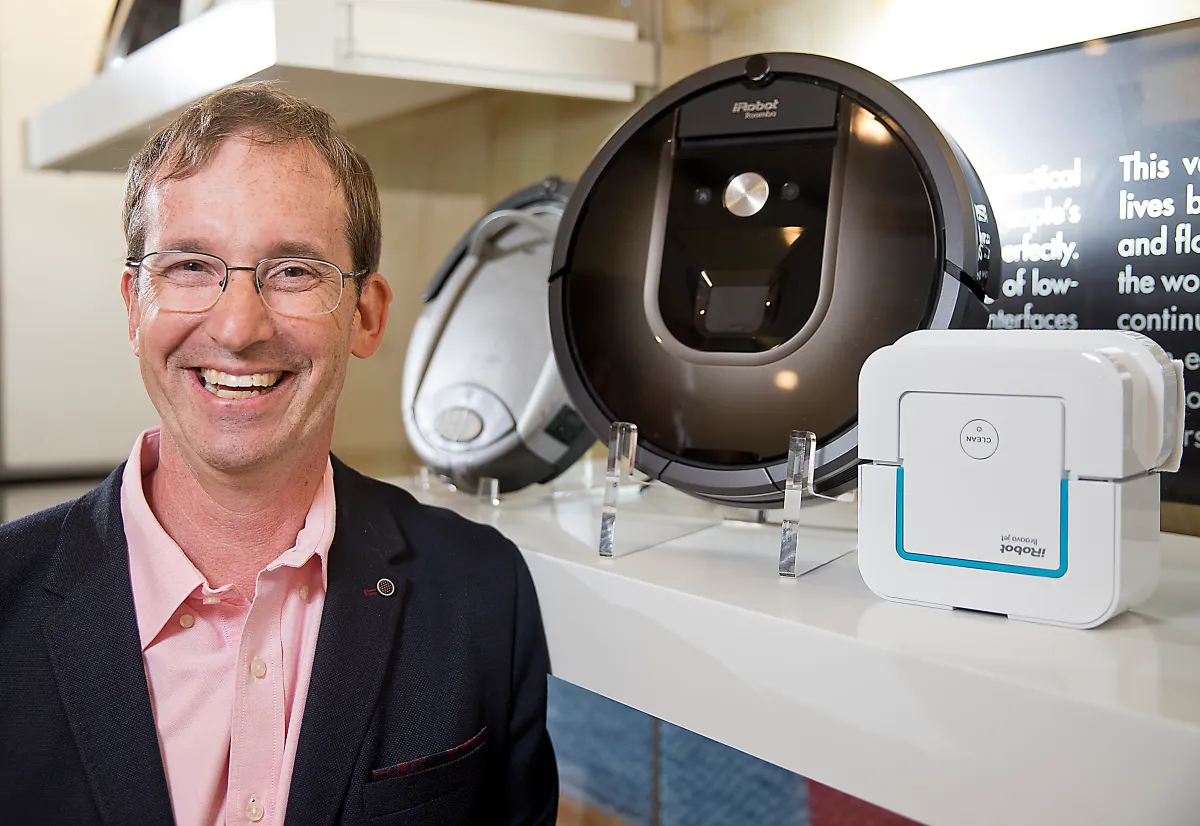

The recent bankruptcy of iRobot, the company behind the Roomba robot vacuum, has sparked debate about the role of regulation in stifling innovation. Former CEO Colin Angle attributes the company’s financial woes to the Federal Trade Commission’s (FTC) blocking of its proposed $1.7 billion acquisition by Amazon. The situation highlights growing concerns within the tech industry regarding antitrust enforcement and its impact on emerging technologies.
Angle, who led iRobot for three decades, described the bankruptcy as “avoidable and a tragedy” in a recent interview on the StrictlyVC Download podcast. He argues that the FTC’s decision not only harmed iRobot but also ceded ground in the robotics market to international competitors. The case is now being closely watched as a potential turning point in how regulators approach mergers involving companies developing cutting-edge technologies.
The iRobot Bankruptcy and the Amazon Acquisition
iRobot filed for bankruptcy in September 2023, citing the FTC’s opposition to the Amazon deal as a primary factor. The company had initially agreed to the acquisition in August 2022, anticipating that Amazon’s resources would help it navigate increasing competition and supply chain challenges. However, the FTC filed a lawsuit to block the merger in February 2023, alleging that it would give Amazon an unfair advantage in the growing market for smart home devices.
FTC Concerns and iRobot’s Response
The FTC argued that Amazon could leverage iRobot’s mapping data to dominate the market for robotic vacuums and potentially expand its control over the broader smart home ecosystem. According to the FTC’s complaint, Amazon had a history of using acquired data to enhance its own products and services, potentially harming consumer privacy and competition.
iRobot vehemently disputed these claims, asserting that it would never share sensitive customer data with Amazon. The company also argued that the acquisition was necessary to compete with larger, well-funded rivals, particularly those based in China. Angle contends that the lengthy and costly legal battle with the FTC – involving the production of over 100,000 documents over 18 months – drained iRobot’s resources and ultimately contributed to its financial downfall.
The Broader Implications for Tech Regulation
The iRobot case has ignited a wider discussion about the FTC’s approach to antitrust enforcement under the leadership of Chair Lina Khan. Critics argue that the agency is taking a more aggressive stance against mergers, even those that may not demonstrably harm consumers. They suggest that this approach could stifle innovation and hinder the growth of American tech companies.
Additionally, some observers believe the FTC’s focus on blocking deals is creating a climate of uncertainty that discourages investment in emerging technologies like artificial intelligence and robotics. Angle specifically criticized the FTC for seemingly collecting “blocked deals” as trophies, suggesting a predisposition against approving mergers. This perspective raises questions about whether the agency is prioritizing preventing potential harms over fostering innovation.
Meanwhile, proponents of stricter antitrust enforcement maintain that it is essential to protect competition and prevent monopolies. They argue that large tech companies have too much power and that regulators must be vigilant in preventing them from abusing their dominance. The debate centers on finding the right balance between promoting innovation and protecting consumers.
The Global Competitive Landscape
Angle also expressed concern that the FTC’s actions are handing competitive advantages to overseas companies, particularly those in China. He argues that American tech companies are facing increasing pressure from foreign rivals and that overly restrictive regulations could further weaken their position. This point underscores the importance of considering the global context when evaluating antitrust cases.
The situation highlights a growing trend of US companies struggling to compete with state-backed firms in other countries. This is particularly true in sectors like robotics and AI, where significant government investment is driving rapid innovation.
Angle’s Future Ventures
Despite the setback with iRobot, Colin Angle is already pursuing new ventures. He is currently working on a stealth startup focused on robotics, with a contrarian view on the development of humanoid robots. He suggests that the current focus on creating human-like robots is misguided, and that more practical and specialized robots will have a greater impact in the near term. He also offered a nuanced assessment of robotics pioneer Rodney Brooks, noting his factual accuracy but suggesting his answers don’t always address the core question.
The future of iRobot remains uncertain. The company is currently undergoing restructuring and exploring potential sale options. The bankruptcy proceedings are expected to continue for several months, and the ultimate outcome will depend on a variety of factors, including the company’s ability to attract buyers and the resolution of its legal disputes. The case will likely continue to shape the debate over tech regulation and its impact on innovation for the foreseeable future.
Looking ahead, the FTC’s approach to antitrust enforcement will be closely scrutinized. Any future decisions regarding mergers in the tech sector will be viewed through the lens of the iRobot case. The agency’s next steps and the broader implications for the technology industry will be key areas to watch in the coming months.