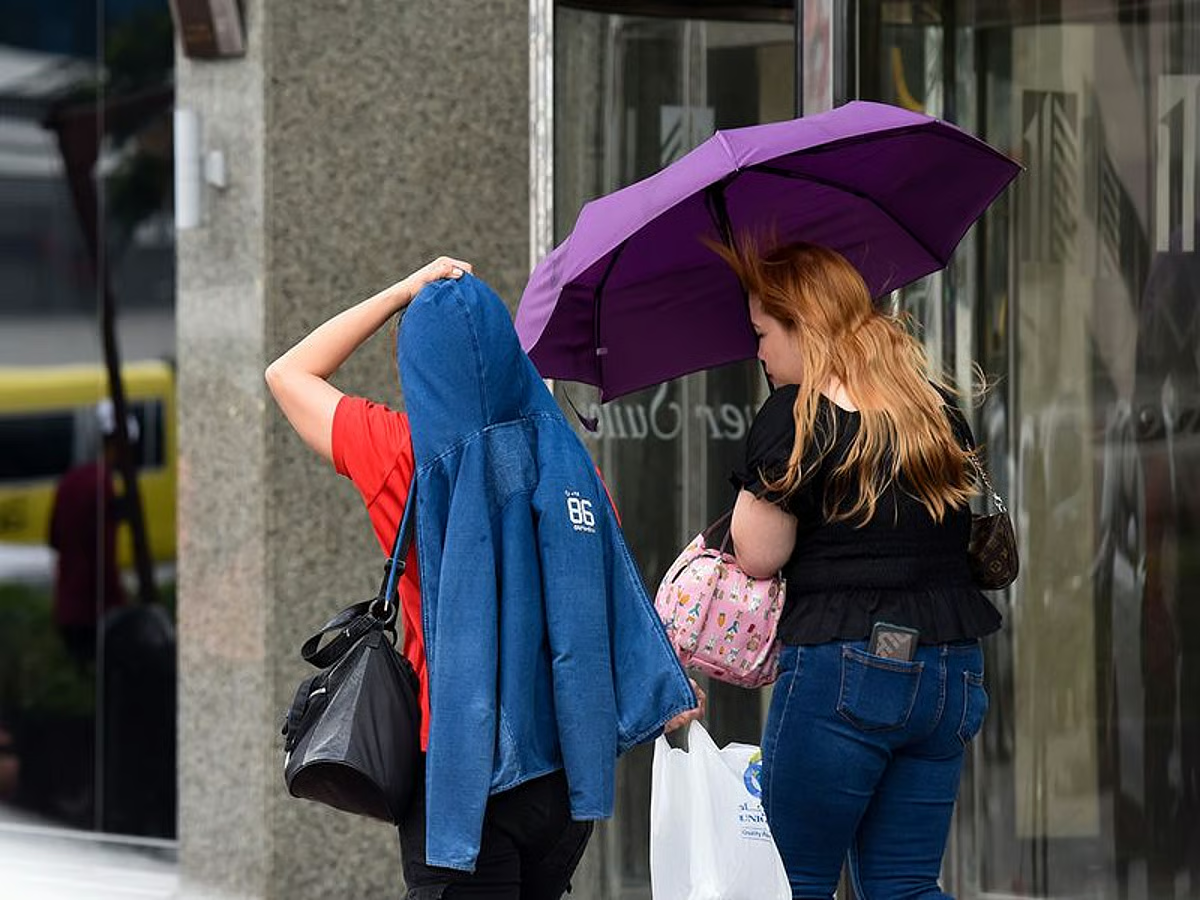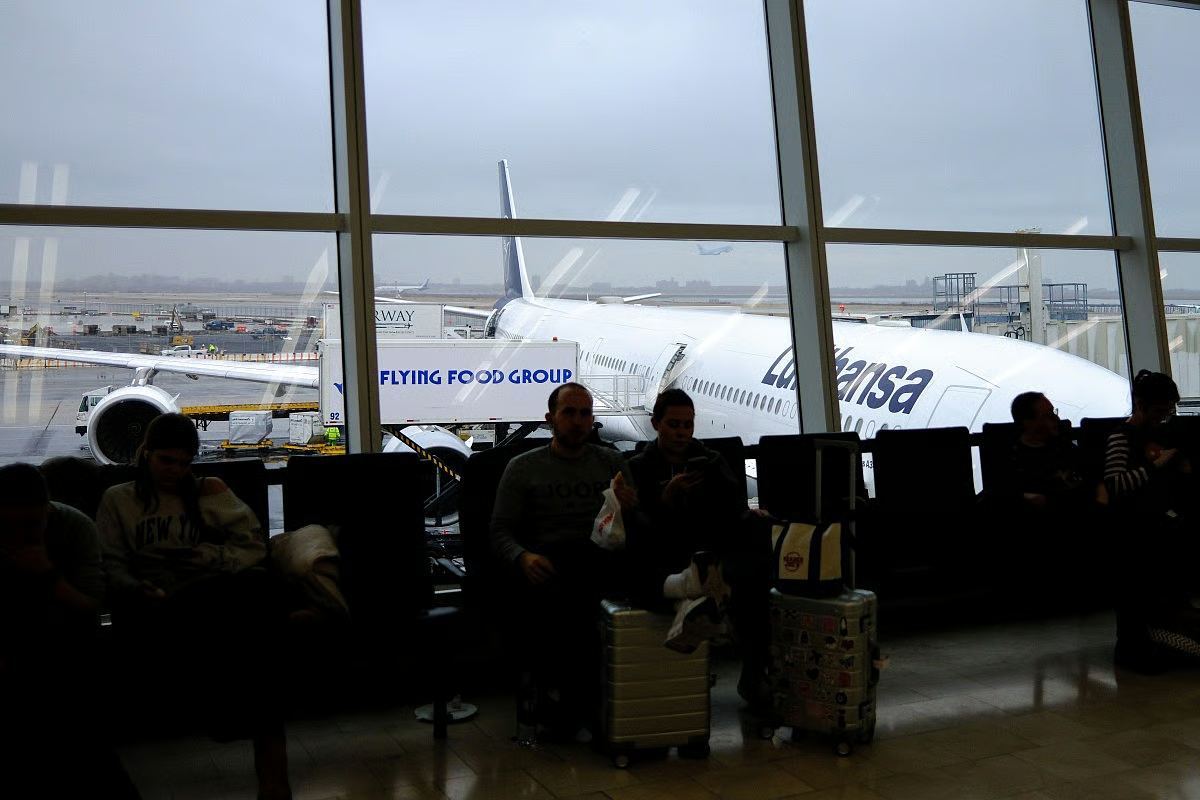

A major winter storm is causing significant flight delays and cancellations across the New York metropolitan area, disrupting holiday travel plans for thousands. As of Friday morning, FlightAware reported over 400 flights cancelled and numerous delays at LaGuardia, John F. Kennedy, and Newark airports. Airlines proactively cancelled flights anticipating heavy snowfall and increasing wind speeds throughout Saturday.
Widespread Travel Disruptions Due to Flight Delays
The storm, expected to intensify Friday evening, is impacting air travel throughout the Northeast. The National Weather Service forecasts 4 to 8 inches of snow accumulation across New York City, Long Island, and surrounding areas, with the heaviest snowfall predicted between Friday afternoon and late Saturday morning. Combined with below-freezing temperatures, these conditions are creating hazardous travel conditions.
New York City Emergency Management (NYCEM) issued a warning on Thursday, urging residents to prepare for difficult road conditions and limit travel as the snow intensifies. The agency emphasized the potential for rapidly deteriorating visibility and icy roadways. This storm arrives during one of the busiest travel periods of the year, compounding the challenges.
City Preparedness and Response
New York City Mayor Eric Adams announced the activation of the city’s Winter Weather Emergency Plan, placing all departments on high alert. He advised residents to avoid driving if possible, allow extra time for public transportation, and remain vigilant regarding changing weather conditions. The city is prioritizing public safety during the storm.
Sanitation crews began pretreating roadways with salt early Friday, and snowplows are staged and ready for deployment. Acting Sanitation Commissioner Javier Lojan stated that operations were initiated well in advance of the storm’s arrival to ensure roads can be cleared efficiently. However, he cautioned that collection delays are possible as crews focus on maintaining safe travel routes.
The city has deployed 71 emergency staff members to clear roads and coordinate responses across the five boroughs. Property owners are reminded of their responsibility to clear sidewalks promptly to maintain pedestrian access, with potential fines for non-compliance. This coordinated effort aims to minimize disruption and ensure accessibility.
Regional Impact and Forecast
The effects of the storm extend beyond New York City. Winter weather advisories are in effect for Philadelphia, southern Connecticut, and northeastern New Jersey. The storm is currently moving east into the mid-Atlantic region and may transition to freezing rain as it moves offshore, according to forecasters.
Richard Bann, a forecaster at the US Weather Prediction Center, noted that this is the busiest travel weekend of the year and the conditions could cause widespread delays. He added that the low temperatures are expected to limit melting until after the storm passes. The potential for winter weather to linger is a concern for travelers.
While the snow is expected to taper off by midday Saturday, icy patches could persist into Sunday. A stronger cold front is forecast to move across the region before the New Year, potentially bringing freezing rain to western Pennsylvania and blustery conditions to Washington and Philadelphia. This secondary system could further complicate travel plans.
Mayor Adams urged New Yorkers to exercise patience as the city works to manage the storm’s impact. He emphasized the preparedness of emergency services, sanitation, and transit teams, but reiterated the importance of residents taking the situation seriously and staying home until conditions improve. The focus remains on ensuring the safety of residents and minimizing disruption.
Passengers attempting to depart New York during their holiday breaks are currently facing significant disruptions. Airlines are warning that delays may continue into the weekend as crews work to de-ice aircraft and clear runways. The situation is fluid and subject to change based on the storm’s progression. Monitoring travel advisories is crucial for those affected.
Looking ahead, the immediate priority is clearing the existing snow and ice to restore safe travel conditions. The arrival of the second cold front poses a new threat, and its potential impact on travel remains uncertain. Travelers should continue to monitor forecasts and check with their airlines for updates on airline cancellations and delays throughout the weekend and into the new year. The long-term effects on air transportation will depend on the speed and effectiveness of recovery efforts.