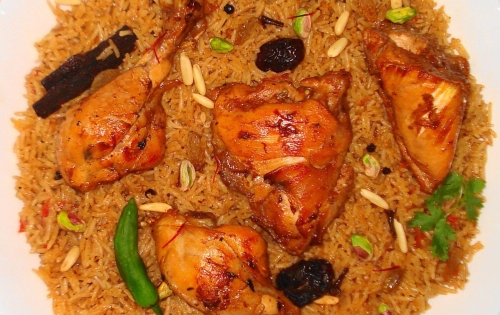

Recent data paints a fascinating picture of dietary habits across the Arab world, revealing surprising nuances in rice consumption. While the Kingdom of Bahrain registers the lowest total rice intake amongst Arab nations at 95,000 tons annually, a closer look at per capita figures tells a very different story, highlighting cultural preferences and population dynamics. This article delves into the World Population Review’s findings, exploring why Bahrain’s numbers are low overall, and how individual consumption compares across the region.
Bahrain’s Unique Position in Arab Rice Consumption
Bahrain’s relatively small population is the primary driver behind its low national rice consumption. With a total intake of just 95,000 tons per year, it significantly lags behind larger countries like Egypt and Saudi Arabia. However, framing this solely as low consumption overlooks a crucial detail: how much rice each Bahraini actually eats.
The report reveals that the average Bahraini citizen consumes a substantial 64.8 kg of rice annually. This figure demonstrates that rice remains a deeply ingrained part of the national diet, despite the overall lower volume compared to other Arab nations. This high per capita consumption is a testament to the cultural significance of rice in Bahraini cuisine.
Per Capita Consumption: A Tale of Two Extremes
The data highlights a stark contrast between total national consumption and individual intake. Egypt, for example, consumes a massive 5.48 million tons of rice each year – the highest in the Arab world. Yet, the average Egyptian consumes only 49.4 kg, significantly less than their Bahraini counterparts. This illustrates how a larger population can skew overall consumption figures without necessarily reflecting a greater preference for rice.
At the other end of the spectrum, Qatar leads the Arab world in individual rice consumption, with an impressive 93.3 kg per person annually. This figure underscores the importance of rice in Qatari culinary traditions. Meanwhile, North African countries show a much lower interest in rice, with Sudan (3.22 kg), Morocco (4.03 kg), and Algeria (5.9 kg) recording the lowest per capita figures. These nations traditionally rely on wheat-based staples like couscous and bread as the foundation of their diets.
The Influence of Traditional Diets
The differences in rice consumption across the Arab world are deeply rooted in historical and cultural factors. In the Gulf region, rice has long been a central component of meals, often served with meat and vegetable stews. This tradition has persisted, leading to consistently high per capita intake.
Conversely, North African countries have a long history of wheat cultivation and consumption. Wheat-based dishes are deeply embedded in their culinary heritage, and rice plays a comparatively smaller role. This isn’t to say rice is absent from these diets, but rather that it isn’t the dominant grain.
GCC Nations and the Rice Staple
The report reinforces a long-standing trend: rice is a cornerstone of the Gulf Cooperation Council (GCC) diet. All GCC nations featured in the study demonstrate significantly higher per capita consumption rates than their neighbors in the Levant and North Africa.
Saudi Arabia, ranking third in total volume at 1.75 million tons, has a moderate individual consumption of 48.2 kg per person. This is only slightly behind the United Arab Emirates (UAE), which reports a per capita intake of 48.3 kg. These figures, while lower than Bahrain and Qatar, still indicate a strong preference for rice within the GCC region. Understanding these regional dietary patterns is crucial for food security and import strategies.
Implications and Future Trends in Grain Consumption
The data on rice consumption provides valuable insights for policymakers and food industry stakeholders. It highlights the importance of considering per capita figures alongside total consumption when assessing food security and dietary trends.
Furthermore, the contrasting patterns between the Gulf and North African regions suggest that dietary habits are not uniform across the Arab world. Factors like income levels, urbanization, and exposure to global cuisines are likely to influence future trends in grain consumption. It’s possible we’ll see a diversification of staple foods in some areas, while others maintain their strong traditions. Analyzing these shifts will be vital for ensuring sustainable food systems throughout the region.
In conclusion, while Bahrain’s overall rice consumption is the lowest in the Arab world, its high per capita intake reveals a strong cultural preference for the grain. The data underscores the importance of considering individual dietary habits alongside national totals, and highlights the diverse culinary landscape of the Arab region. Further research into the factors driving these consumption patterns will be essential for informed policy-making and a deeper understanding of food security challenges and opportunities.