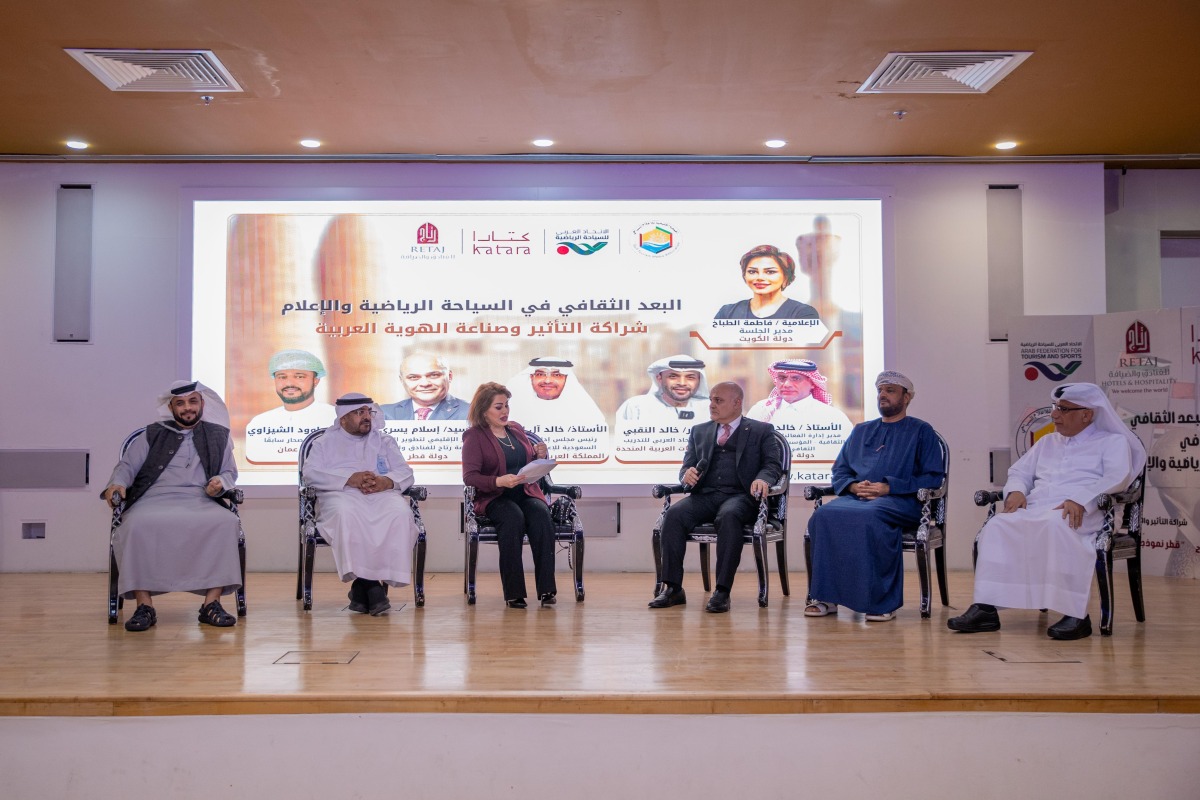

Doha, Qatar – A forum focused on the evolving relationship between culture and sports tourism was recently hosted by Katara, bringing together experts from across the Arab world. The event, organized in collaboration with the Arab Federation for Sports Tourism and the Gulf Association for Tourism Media, explored strategies for sustainable development within the sector. Discussions centered on leveraging sports to enhance cultural exchange, boost economic growth, and strengthen national identities.
The forum, held in Doha, included panel discussions with officials and professionals from Qatar, Kuwait, Saudi Arabia, the United Arab Emirates, and Oman. Participants addressed key areas such as hospitality, cultural identity preservation, capacity building within the industry, and the role of media in promoting sports tourism.
The Growing Intersection of Sports, Culture, and Tourism
The convergence of sports, culture, and tourism is increasingly recognized as a powerful economic driver and a tool for national branding. According to the World Tourism Organization, sports tourism is one of the fastest-growing sectors within the travel industry. This growth is fueled by a desire for unique experiences that go beyond traditional sightseeing, incorporating elements of local culture and community engagement.
Dr. Nadia Al Mudhahka, Director of the Research and Studies Department at Katara, emphasized the importance of viewing culture not as a separate entity, but as an integral component that enriches both sports and tourism. She highlighted Qatar’s successful integration of cultural elements into major sporting events, positioning the nation as a bridge between civilizations.
Qatar’s Pioneering Model
Sheikh Nayef bin Eid Al-Thani, Chairman of Retaj Hotels and Hospitality Group, noted that Qatar has strategically invested in sports, culture, and media to build its global image and strengthen its cultural presence. This investment, he stated, is ultimately an investment in its people and its soft power. The country’s approach focuses on professional organization, cultural openness, and a strong sense of Arab identity.
Fatma Al Nuaimi, Executive Director of Communications and Media at the Supreme Committee for Delivery and Legacy, pointed to the transformative impact of the sports industry in the Arab region. She observed that sports are now seen as a holistic system that drives economic development, celebrates cultural depth, and fosters stronger connections among Arab nations. The committee’s work on the 2022 FIFA World Cup is often cited as an example of this integrated approach.
Regional Collaboration and Capacity Building
Ahmed bin Mohammed Al Jarwan, Chairman of the Executive Office of the Forum of Specialized Arab Federations at the League of Arab States, praised Qatar’s consistent support for both Arab and international sports initiatives. He underscored the role of sports in promoting understanding and development across the region.
Kamel Abu Ali, President of the Arab Federation for Sports Tourism, commended Qatar’s high professional standards in hosting major sporting events. He affirmed the Federation’s commitment to supporting initiatives that enhance Arab identity and foster a sense of belonging. Capacity building and training programs were identified as crucial for sustaining growth in tourism and ensuring the region can continue to attract and successfully host international competitions.
Discussions also touched upon the importance of leveraging digital media and innovative marketing strategies to promote Arab destinations and their unique cultural offerings. The use of storytelling and immersive experiences was highlighted as a way to connect with potential visitors on a deeper level, fostering a greater appreciation for the region’s heritage.
The forum acknowledged the challenges facing the sports tourism sector, including the need for sustainable infrastructure development and the importance of engaging local communities in the planning and implementation of events. Balancing economic benefits with cultural preservation remains a key consideration for policymakers.
Following the forum, participants are expected to develop concrete action plans to implement the discussed strategies within their respective organizations and countries. The Arab Federation for Sports Tourism will likely play a coordinating role in this process, with a focus on establishing common standards and promoting regional collaboration. Further details regarding timelines and specific initiatives are anticipated in the coming months, and the long-term impact of these discussions on the growth of sports tourism in the Arab world will be closely monitored.
Related secondary keywords used: tourism, cultural exchange, economic development.