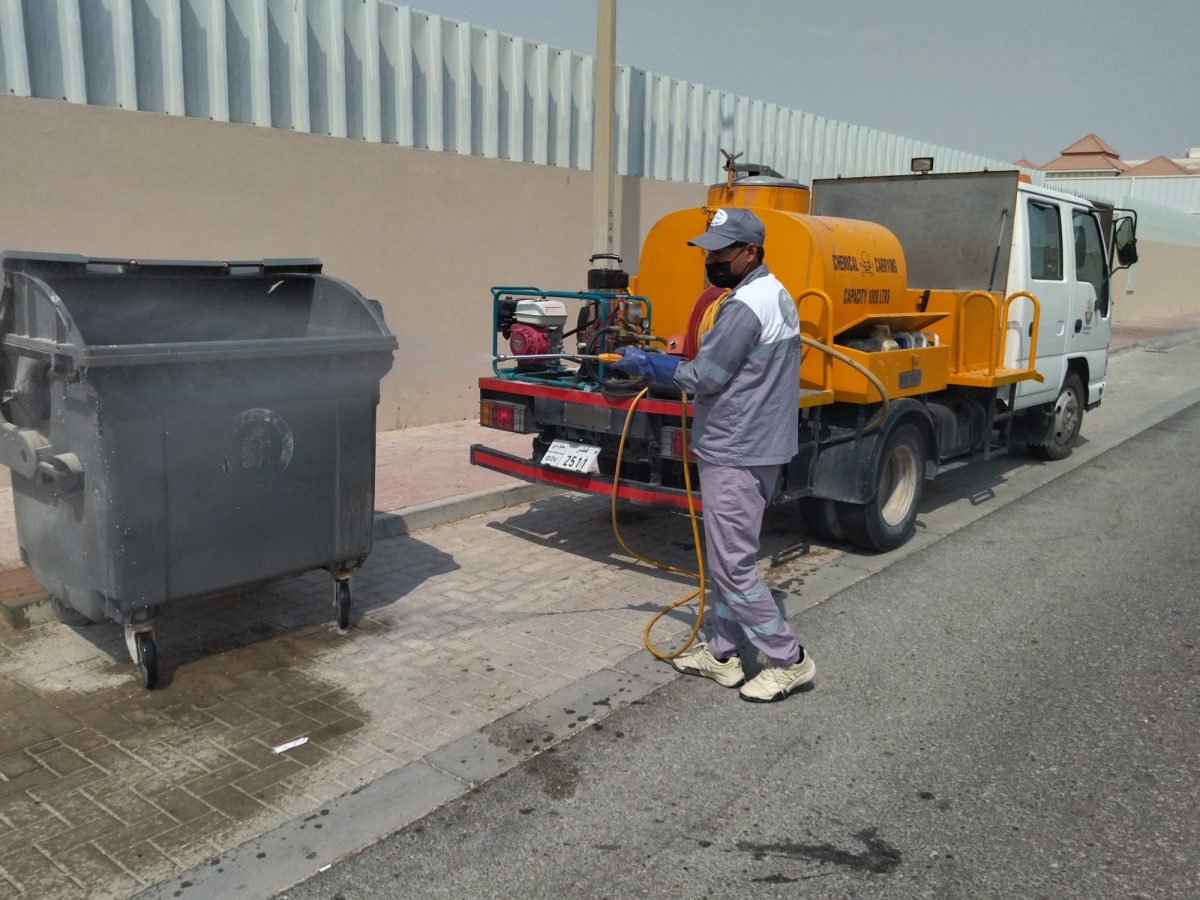

Qatar’s municipalities are continuing extensive insect control campaigns nationwide to safeguard public health and maintain a clean environment. Recent data reveals a significant volume of requests for these services, demonstrating both public concern and reliance on municipal resources. These proactive measures are a key component of Qatar’s broader commitment to environmental sustainability as outlined in Qatar National Vision 2030.
Nationwide Insect Control Efforts Intensify
Between November 14th and December 11th, 2025, municipalities across Qatar received 8,949 requests for insect control services, according to official statistics. This substantial number underscores the ongoing need for preventative and reactive pest management, particularly as Qatar experiences seasonal fluctuations in insect populations. The campaigns target a variety of areas, including residential neighborhoods, public parks, and locations identified as potential breeding grounds.
Geographical Distribution of Requests
Doha Municipality recorded the highest concentration of requests, with 2,185 cases reported during the period. Al Rayyan Municipality followed closely with 2,105 requests. Al Daayen and Umm Salal municipalities also experienced high demand, registering 1,491 and 1,421 requests respectively.
Other municipalities reported the following numbers: Al Wakrah with 1,046 requests, Al Khor and Al Dhakhira with 398, Al Shamal with 149, and Al Sheehaniya with 154 requests. This distribution suggests varying levels of pest activity across different regions of the country, potentially influenced by factors like population density and environmental conditions.
Utilizing Technology and Multiple Channels
The “Oun” mobile application proved to be a popular channel for submitting service requests, handling 5,717 cases. This highlights the increasing adoption of digital tools by residents to access municipal services. Meanwhile, the Unified Contact Center received 3,107 requests, and the official municipal website processed 125, demonstrating a commitment to providing diverse communication options.
These integrated systems allow municipalities to efficiently manage and respond to public concerns regarding pest control. The accessibility of these channels is crucial for ensuring that residents can easily report issues and receive timely assistance.
Why Qatar Prioritizes Insect Control
Qatar’s warm climate and rapid urbanization create conditions conducive to insect breeding and proliferation. Effective pest management is therefore essential for preventing the spread of diseases, protecting public health, and maintaining the overall quality of life. The Ministry of Public Health regularly emphasizes the importance of proactive measures to minimize health risks associated with insects.
Beyond health concerns, insect infestations can also impact economic activities, such as agriculture and tourism. Maintaining a clean and pest-free environment is vital for supporting these sectors and preserving Qatar’s reputation as a desirable destination. The campaigns also address concerns about nuisance pests that can disrupt daily life.
Additionally, the ongoing insect control initiatives align with Qatar’s broader environmental goals. By minimizing the use of harmful chemicals and promoting integrated pest management strategies, municipalities aim to protect the ecosystem and ensure long-term sustainability. This includes public awareness campaigns focused on reducing breeding sites around homes and businesses.
The use of preventative spraying, combined with responsive service requests, demonstrates a comprehensive approach to managing insect populations. This strategy aims to not only address existing problems but also to minimize future outbreaks. Related efforts to control rodents are also underway, contributing to a holistic public health strategy.
Looking ahead, municipalities are expected to continue monitoring insect activity and adjusting their strategies as needed. The effectiveness of the current campaigns will be evaluated based on the number of requests received, the prevalence of insect-borne diseases, and feedback from residents. Further investment in advanced pest control technologies and expanded public awareness programs are also likely developments to watch in the coming months.