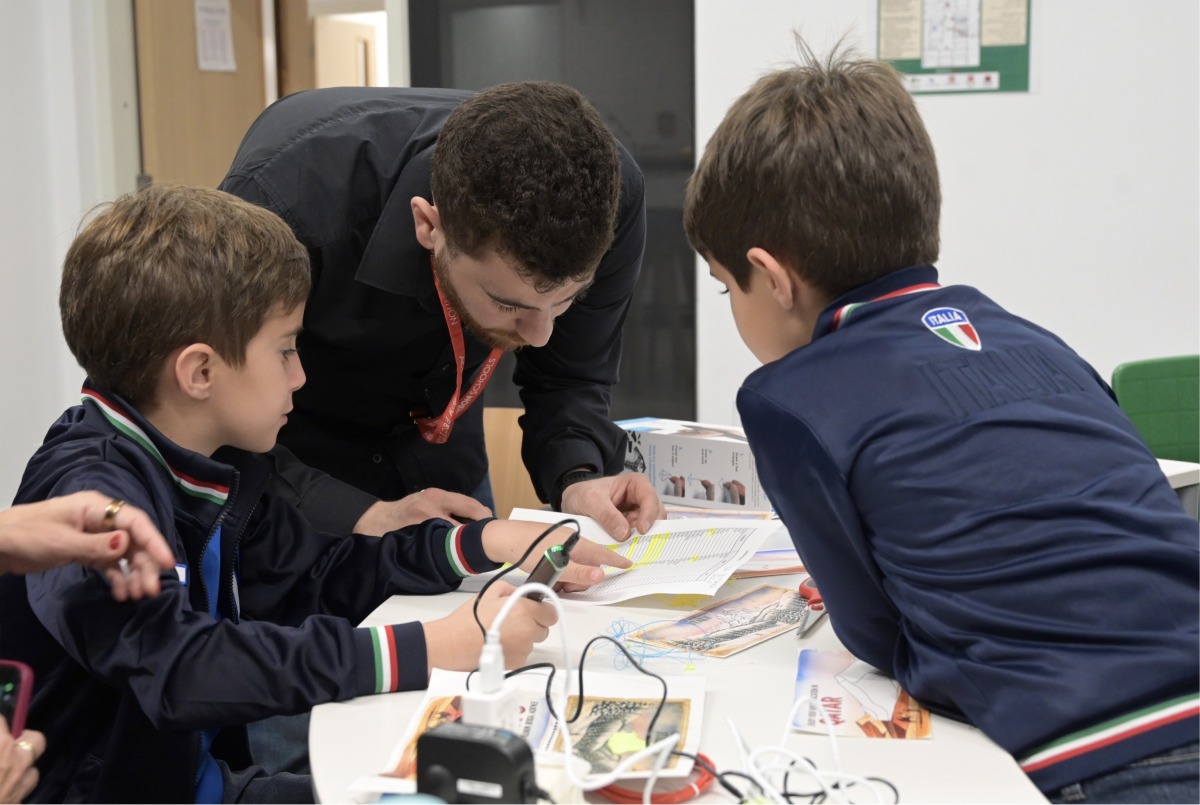

Doha, Qatar – The Ministry of Communications and Information Technology (MCIT) of Qatar, through its Studio5 initiative, joined forces with the Embassy of Italy and Qatar Reads to celebrate Italian Republic Children’s Day with a “Winter and Tech Day” event. Held at ACS International School Doha, the event focused on fostering cultural exchange and introducing young students to the latest advancements in educational technology. The collaboration highlights Qatar’s commitment to developing digital skills among its youth and strengthening ties with Italy.
The event, which took place on [Date – infer from context, e.g., December 26, 2023], brought together students aged 7-12 from both ACS International School Doha and the local Italian community, along with educators, embassy officials, and representatives from Qatar Reads. Attendees participated in a range of interactive activities designed to spark interest in science, technology, engineering, and mathematics (STEM) fields. This initiative builds on previous collaborations between Studio5 and ACS Doha, continuing a three-year effort to provide immersive learning experiences.
Exploring the Future with Educational Technology
The “Winter and Tech Day” program centered around the theme of winter and leveraged technology to explore related concepts. Studio5 led short introductory sessions on drone technology and robotics, offering students a glimpse into these rapidly evolving fields. These were followed by more in-depth, 90-minute workshops covering artificial intelligence (AI) applications for understanding weather and climate patterns, digital storytelling, and the fundamentals of digital fabrication and 3D design.
These workshops were designed to be hands-on, allowing children to actively engage with the technology and develop practical skills. According to Duha Ali Al Buhendi, Director of the Digital Society and Digital Competencies Department at MCIT, the goal was to equip students with the tools and inspiration to envision new possibilities for the future. The event aimed to demonstrate how technology can be used creatively and effectively to solve real-world problems.
Cultural Exchange and Literacy Initiatives
Beyond the technological focus, the event also incorporated a cultural component through the participation of Qatar Reads. The organization introduced initiatives aimed at promoting reading and creativity among children, adding an important layer to the day’s activities. This collaboration underscores the importance of integrating cultural understanding with technological literacy.
The Italian Embassy’s involvement reflects the strong bilateral relationship between Qatar and Italy, particularly in areas of innovation and education. Ambassador of Italy to Qatar, H.E. Paolo Toschi, emphasized the shared commitment to investing in younger generations to build a better world. He noted that the cooperation in science and education strengthens the friendship between the two nations.
The use of artificial intelligence in the workshops was a key element, introducing students to a technology that is increasingly shaping various industries. The focus on weather and climate applications, for example, could inspire future scientists and environmental advocates. Furthermore, the introduction to 3D design and digital fabrication provides a foundation for potential careers in engineering and manufacturing.
The MCIT’s Studio5 initiative plays a crucial role in Qatar’s broader digital transformation strategy, which aims to diversify the economy and foster a knowledge-based society. By providing access to cutting-edge digital skills training for young people, Studio5 is helping to prepare the next generation for the challenges and opportunities of the 21st century. The initiative aligns with Qatar National Vision 2030, which prioritizes human capital development.
Looking ahead, the MCIT and Studio5 are expected to continue expanding their outreach programs to reach more students across Qatar. Future events may explore different themes and technologies, adapting to the evolving landscape of the digital world. The success of this collaboration will likely encourage further partnerships between government entities, embassies, and educational organizations to promote STEM education and cultural exchange. The long-term impact of these initiatives on Qatar’s future workforce remains to be seen, but the initial response suggests a positive trajectory.