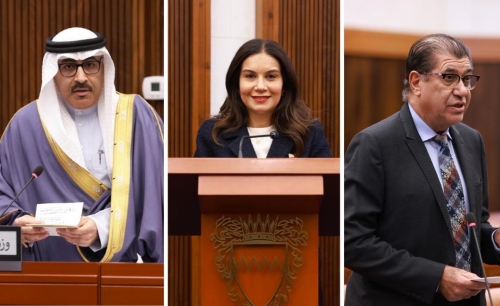

The Bahraini education landscape is poised for a significant update with the proposed Private Educational Institutions Law, currently under review by the Shura Council. After three decades since the last comprehensive overhaul, the draft law aims to modernize regulations governing the private education sector, addressing growth in student numbers, evolving teaching methodologies, and the increasing role of early childhood education. This update is crucial for maintaining quality and fostering a thriving educational environment in the Kingdom.
Modernizing Bahrain’s Private Education Framework
The current legal framework for private education in Bahrain dates back to a time when the sector was considerably smaller and less complex. Education Minister Dr. Mohammed bin Mubarak Juma highlighted this point to the Shura Council, stating the substantial changes over the past 30 years necessitate a new approach. The private sector has experienced considerable expansion, encompassing more students, a larger workforce, and a wider range of institutions, from kindergartens to high schools.
This growth demands updated regulations to ensure consistent standards and effective oversight. The proposed law seeks to address these needs by streamlining licensing procedures, clarifying management responsibilities, and strengthening the Ministry of Education’s supervisory role. It also recognizes the distinct nature of private training institutions, separating them from those focused on formal education.
Key Provisions of the Draft Law
The draft Private Educational Institutions Law introduces several key changes designed to improve the quality and governance of private education. One significant alteration concerns the licensing process. Currently, institutions must secure a final license before pursuing other necessary approvals from government bodies. The proposed law introduces an initial approval stage, allowing applicants to proceed with these other procedures concurrently, thereby accelerating the establishment of new schools.
Furthermore, the bill emphasizes greater parental involvement. It mandates the establishment of Parents’ Councils in all private schools and permits early education centers to create similar bodies on a voluntary basis. This move aims to foster stronger communication and collaboration between schools and families.
Another provision allows private schools to generate additional revenue by renting out facilities like halls, swimming pools, and sports grounds, subject to Ministry approval. This could provide schools with greater financial flexibility and enable them to invest in improved resources.
Enhanced Financial Oversight and Accountability
Recognizing the importance of financial stability within the private education sector, the draft law incorporates enhanced financial oversight mechanisms. The Ministry of Education will be empowered to request financial reports and conduct thorough reviews of institutions’ financial positions through specialized departments.
This proactive approach aims to mitigate the risk of sudden school closures, which can disrupt students’ education. Institutions will also be required to notify the Ministry if they are unable to meet their payroll obligations for 5% or more of their staff, providing an early warning system for potential financial difficulties.
Addressing Concerns and Promoting Bahrainization
During the Shura Council debate, concerns were raised regarding the potential impact of the new penalties, particularly on smaller institutions like kindergartens. First Deputy Chairman Jamal Fakhro stressed the need for careful consideration when implementing sanctions and fines. Additionally, the limited response to the Services Committee’s request for feedback from private educational institutions was noted, highlighting the importance of broader consultation in the future.
The Minister addressed these concerns, emphasizing that the goal is not punitive but rather to improve the overall performance of the sector, especially those institutions currently rated lower. He shared data revealing the types of violations recorded by the Ministry, including issues related to buildings, fees, employment, and curricula.
A key focus of the new law is also Bahrainization – increasing the employment of Bahraini nationals within the private education sector. The Ministry is actively collaborating with the Ministry of Labour and Tamkeen to develop initiatives that encourage the hiring of Bahrainis, particularly in specialized fields. Beyond standard medical checks, the Ministry is coordinating with the Ministries of Interior and Health to ensure thorough screening of all personnel entering the sector, including assessments of physical and psychological fitness.
Current Status and Future Implications
Currently, public schools remain the primary educational provider in Bahrain, with approximately 157,000 students enrolled, compared to 90,000 in private schools. Of those in private education, fewer than 30,000 are Bahraini nationals. The draft law maintains the mandatory status of Arabic, Islamic education, and citizenship subjects for Bahraini students, with the broader education law applying in areas not specifically addressed by the new legislation.
The Shura Council has approved the bill in principle, but the final vote on its articles has been deferred to a later session. This allows for further consideration of the feedback received and ensures that the final legislation effectively addresses the evolving needs of Bahrain’s private educational institutions. The successful implementation of this law promises a more robust, regulated, and high-quality private education sector, benefiting both students and the nation as a whole.