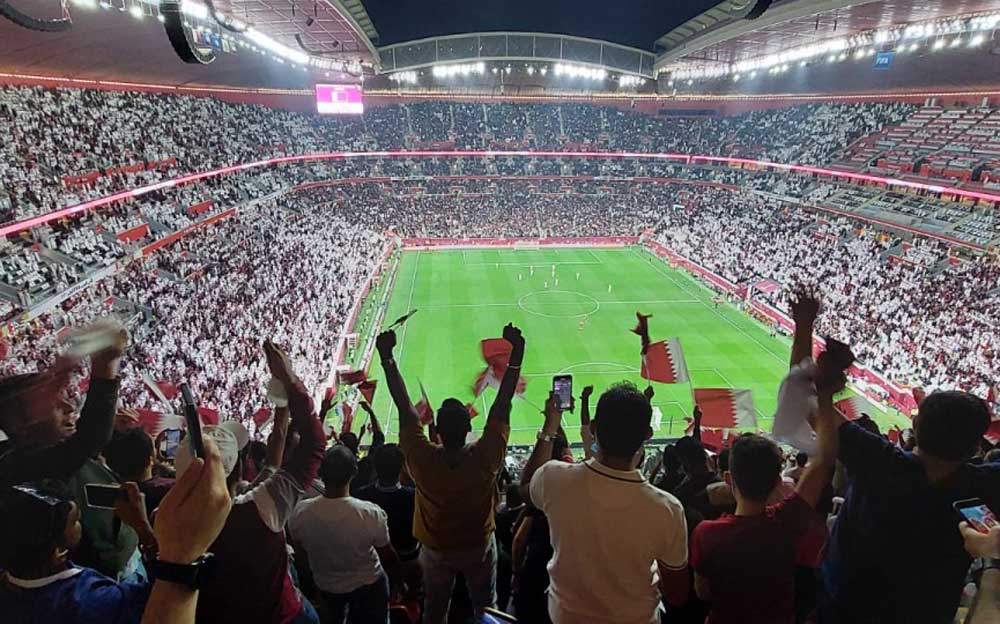

The recently concluded FIFA Arab Cup Qatar 2025 showcased the nation’s continued prowess in hosting major sporting events, drawing over 1.2 million spectators and culminating in a victory for Morocco. The tournament, held from December 1st to 18th, featured 16 national teams competing across six familiar World Cup stadiums. This event further solidifies Qatar’s position as a significant player in the global sports arena, following its successful hosting of the 2022 FIFA World Cup and other international competitions.
Doha, Qatar, served as the primary host city for the tournament, with matches also taking place in surrounding areas utilizing the infrastructure developed for the 2022 World Cup. The final match, a thrilling contest between Morocco and Jordan, saw a crowd of 84,517 fill the Lusail Stadium. The tournament’s success is measured not only in attendance but also in its logistical execution and positive impact on the region’s profile.
Qatar’s Growing Reputation as a Sporting Hub
The FIFA Arab Cup Qatar 2025 is the latest in a series of high-profile sporting events hosted by the Gulf nation. This commitment to sports tourism is part of Qatar’s broader “National Vision 2030,” which aims to diversify the economy and promote international engagement. According to organizers, approximately 25% of attendees traveled from outside of Qatar, demonstrating the tournament’s international appeal.
This year’s event was particularly notable for its condensed schedule, following closely on the heels of the FIFA Under-17 World Cup and the FIFA Intercontinental Cup. The ability to seamlessly manage three major FIFA finals within three weeks highlights the country’s organizational capabilities and dedicated infrastructure. The tournament also provided valuable operational experience as Qatar potentially bids for future major events, including the Olympic Games.
Tournament Highlights and Participation
A total of 77 goals were scored throughout the competition, with Jordan’s Ali Olwan emerging as the top scorer with six goals. The tournament saw extensive media coverage, with 2,269 accredited journalists representing 71 countries – a significant increase compared to the 2021 edition. This level of media presence underscores the growing global interest in football within the Arab region.
Beyond the competition on the field, the Arab Cup emphasized inclusivity and accessibility. Over 11,500 tickets were purchased by fans with disabilities, and stadiums offered features like wheelchair-accessible seating, audio descriptive commentary, and sensory rooms. This commitment to accessibility aligns with FIFA’s broader efforts to make football more inclusive for all.
Economic and Social Impact
The tournament provided a boost to the local economy, with fan zones hosting cultural performances by nearly 1,000 artists and offering opportunities for small and medium-sized food businesses. More than 3,500 volunteers, including participants from across the Gulf Cooperation Council (GCC), contributed to the smooth running of the event. The involvement of a large volunteer base demonstrates community engagement and provides valuable experience for those involved.
Public transportation played a crucial role in managing the large influx of spectators, with nearly five million passenger journeys recorded on the Doha Metro and Lusail Tram services. These services were offered free of charge to ticket holders on matchdays, encouraging the use of sustainable transportation options. Digital engagement was also high, with over 938 million views and 10 million interactions across social media platforms, indicating a strong online following for the tournament and its participating teams.
Looking ahead, Qatar will likely leverage the success of the FIFA Arab Cup to further develop its sports infrastructure and attract future international events. The nation’s ability to consistently deliver well-organized and accessible tournaments positions it as a leading destination for sports tourism. Future plans for utilizing the stadiums and training facilities remain under review, with potential announcements expected in the coming months regarding further sporting bids and long-term sustainability strategies. The impact of this event on regional football development will also be closely monitored.
The success of the tournament also highlights the growing importance of the Arab region in the global football landscape, potentially influencing future FIFA decisions regarding tournament allocation and development initiatives.