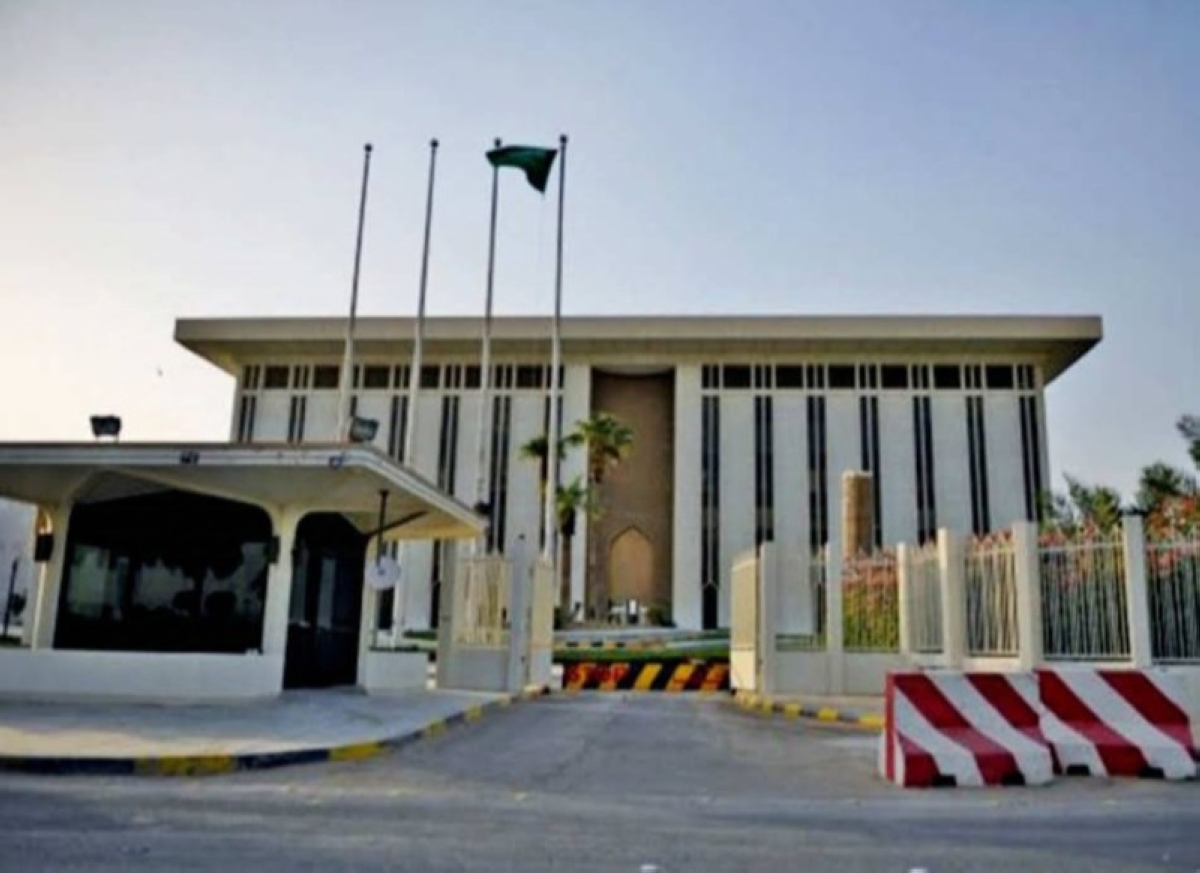

RIYADH — The Saudi Central Bank (SAMA) has launched a new electronic check clearing system (ECCS) service on its website, aiming to significantly reduce check processing times to one business day. The move, announced Thursday, represents a key step in the Kingdom’s ongoing financial modernization efforts. This digitization of the traditional check process is expected to benefit both individuals and financial institutions across Saudi Arabia.
The ECCS will replace much of the manual work currently involved in check processing, converting physical checks into digital images and data for automated exchange between banks. This eliminates the need for physical transportation of checks, accelerating fund availability and reducing the potential for fraud. The system is now accessible through SAMA’s e-Services Portal.
Accelerating Payments with Electronic Check Clearing
The introduction of the electronic check clearing system is a direct result of SAMA’s broader digital transformation strategy. According to a press release, the initiative seeks to provide secure and efficient automated services to individuals and businesses. This aligns with the Kingdom’s Vision 2030 goals of diversifying the economy and enhancing the digital infrastructure.
Traditionally, check clearing in Saudi Arabia could take several business days, creating delays for both payers and recipients. This process involved physical movement of checks between banks, increasing the risk of loss or damage. The new system utilizes Magnetic Ink Character Recognition (MICR) technology and image-based processing to streamline the entire procedure.
How the ECCS Works
The ECCS digitizes checks at the point of deposit. Banks scan the check, capturing the necessary data, including the account number, amount, and payee information. This information is then securely transmitted to SAMA for clearing and settlement.
This automated process significantly reduces manual intervention, minimizing errors and accelerating the overall clearing time. The system also incorporates enhanced security features to mitigate the risk of fraudulent activity. Additionally, the reduced reliance on physical checks lowers operational costs for financial institutions.
The move towards digital check processing is part of a wider trend in the financial sector globally. Many countries have already implemented similar systems to improve efficiency and reduce costs. Saudi Arabia’s adoption of the ECCS positions it as a leader in financial innovation within the region.
Expanding SAMA’s Digital Services
The electronic check clearing service is the latest addition to SAMA’s growing e-Services Portal. Launched earlier, the portal already offers a range of digital services designed to improve access to financial services and enhance customer experience.
These existing services include the ability to inquire about the accounts of deceased individuals, file complaints against financial institutions, and exercise personal data rights. The portal also facilitates access to SAMA’s Regulatory Sandbox, allowing fintech companies to test innovative products and services. Furthermore, individuals can request non-objection for leadership positions within the financial sector through the portal.
However, the transition to a fully digital system isn’t without potential challenges. Ensuring widespread adoption among all banks and businesses will be crucial for the ECCS to achieve its full potential. Training and support may be needed to help users adapt to the new system.
The implementation of the ECCS also comes amid increasing adoption of alternative payment methods in Saudi Arabia, such as instant payments and mobile wallets. These alternative solutions are gaining popularity, particularly among younger demographics. The growth of these options could influence the long-term role of checks in the Kingdom’s payment landscape.
According to industry analysts, the increased efficiency offered by the ECCS could encourage greater use of checks, particularly for larger transactions where security and traceability are paramount. The system’s fraud reduction features may also appeal to businesses concerned about payment security. The adoption of real-time gross settlement (RTGS) systems is also a related development impacting payment infrastructure.
SAMA has indicated that further electronic services will be added to the e-Services Portal in the coming months. The central bank has not yet specified which services are planned, but it is expected that they will focus on further streamlining financial processes and improving customer access. The success of the ECCS will likely inform the development of these future services.
Looking ahead, the full impact of the ECCS on the Saudi Arabian financial system remains to be seen. Monitoring adoption rates, transaction volumes, and fraud statistics will be key to assessing its effectiveness. The central bank will likely continue to refine the system based on user feedback and evolving market conditions. The next phase will involve evaluating the system’s performance and addressing any challenges that arise during the initial implementation period.