
The Ministry of Municipality in Qatar has launched the “National Smart Hygiene Award,” a new initiative designed to foster innovation in the country’s public hygiene sector. This first-of-its-kind award, announced today, seeks to leverage modern technologies and artificial intelligence to improve cleanliness and waste management across Doha and the nation. The program is open to universities, researchers, and students, with submissions due June 1, 2026.
The award was unveiled by the Public Hygiene Department and aims to encourage the development of practical solutions for challenges in sweeping, cleaning, waste collection, and maintaining the cleanliness of public spaces like streets, squares, beaches, and waterfronts. According to the Qatar News Agency, the initiative is a key component of Qatar’s broader efforts toward sustainability and improving the quality of life for residents.
Advancing Public Hygiene Through Innovation
The core objective of the National Smart Hygiene Award is to bridge the gap between academic research and real-world application in the field of public hygiene. The Ministry of Municipality recognizes the potential of emerging technologies to revolutionize traditional cleaning and waste management practices. This award is intended to stimulate that development within Qatar’s educational institutions.
Eligibility and Submission Details
Participation is open to a wide range of individuals and organizations. Universities, academic institutions, researchers, and students are all eligible to submit innovative projects. However, the ministry emphasized that submissions must demonstrate practical applicability, moving beyond purely theoretical concepts. Projects can be submitted electronically to a dedicated email address, which will be publicized alongside the award guidelines.
A specialized committee will be responsible for evaluating the submitted projects. The evaluation process will focus on three key criteria: the level of innovation demonstrated, the feasibility of implementation, and the effective integration of modern technologies. These technologies include, but are not limited to, artificial intelligence, the Internet of Things (IoT), and other smart digital solutions.
The award is expected to encourage the development of solutions addressing issues like optimized waste collection routes, smart bin technology, and AI-powered street cleaning systems. These advancements could lead to significant improvements in operational efficiency and a reduction in environmental impact. The focus on waste management is particularly relevant given Qatar’s rapid urbanization and population growth.
The Ministry of Municipality highlighted the importance of strengthening collaboration between the public sector and academia. This initiative aims to create a platform for ongoing dialogue and knowledge sharing, ensuring that research efforts are aligned with the evolving needs of the country. This collaboration is also expected to boost research in environmental sustainability.
The National Smart Hygiene Award aligns with the goals outlined in Qatar National Vision 2030, which prioritizes sustainable development and environmental protection. By investing in innovative solutions for public hygiene, the government aims to create a cleaner, healthier, and more sustainable environment for future generations. The initiative also supports the development of a knowledge-based economy, fostering local talent and expertise.
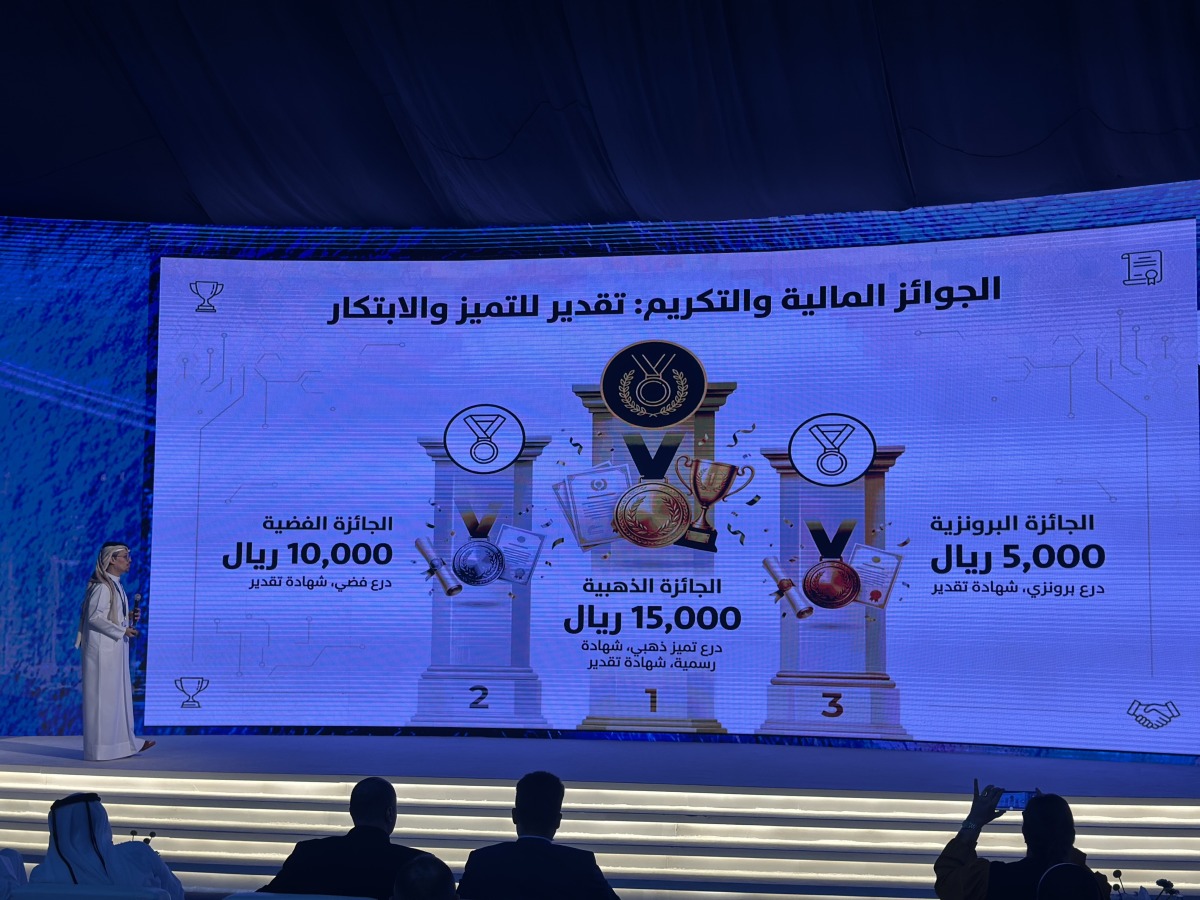
The award will recognize the top three projects, though details regarding the prizes have not yet been released. The Ministry anticipates that the winning projects will serve as models for wider implementation across Qatar, potentially leading to a nationwide upgrade of public hygiene infrastructure and services.
Looking ahead, the Ministry of Municipality will be publishing detailed guidelines and application procedures for the National Smart Hygiene Award. The deadline for submissions is set for June 1, 2026, and the announcement of the winners is expected in late 2026 or early 2027. The success of the program will depend on the level of participation from academic institutions and the quality of the submitted projects, making its initial impact a key area to watch.
For more information on Qatar’s sustainability initiatives, please visit the Ministry of Municipality and Environment website.