
RIYADH — Saudi Arabia’s economic diversification efforts are showing positive momentum, as non-oil exports surged by 32.3 percent in October 2025 compared to the same period in 2024, according to data released by the General Authority for Statistics (GASTAT). This substantial increase, coupled with a growing trade balance surplus, signals a continued shift away from reliance on crude oil revenues. The data provides a snapshot of the Kingdom’s trade performance during a key period of its Vision 2030 implementation.
The overall growth in trade was significant, with total merchandise exports increasing by 11.8 percent and imports rising by 4.3 percent in October 2025. This resulted in a 47.4 percent jump in the trade balance surplus compared to October of the previous year. The figures highlight the Kingdom’s ability to expand its export base and manage import levels effectively.
Growth in Saudi Non-Oil Exports: A Diversification Success Story
The substantial rise in non-oil exports is a core tenet of Saudi Arabia’s Vision 2030, an ambitious plan to transform the nation’s economy and reduce its dependence on oil. This latest data suggests the Kingdom is making considerable progress in this area. The increase in national non-oil exports, though smaller at 2.4 percent, demonstrates consistent growth across various sectors.
Sectoral Breakdown of Export Growth
Electrical machinery, equipment, and parts led the charge in non-oil exports, representing 23.6 percent of the total. This indicates a strengthening manufacturing sector and increasing technological capabilities within the Kingdom. Chemical industry products followed closely, accounting for 19.4 percent of non-oil exports, demonstrating the continued importance of petrochemicals in the Saudi economy.
However, the import landscape presented a more nuanced picture. While overall imports increased, the composition shifted. Electrical machinery, equipment, and parts also topped the list of imports, accounting for 30.2 percent and experiencing a significant 26.3 percent increase year-over-year. This suggests continued investment in these sectors, potentially for both domestic consumption and re-export.
In contrast, imports of transport equipment and parts declined by 22.9 percent, representing 12.1 percent of total imports. This decrease could be attributed to various factors, including shifts in infrastructure projects or changes in global supply chains. Further analysis is needed to determine the specific drivers behind this trend.
The ratio of non-oil exports to imports also improved, rising to 42.3 percent compared to 33.4 percent in the previous year. This indicates a more balanced trade relationship and a greater capacity for the Kingdom to generate revenue from its diversified export base. This is a key indicator for assessing the success of the economic transformation.
China continues to be a pivotal trading partner for Saudi Arabia, maintaining its position as the leading destination for Saudi exports (14.1 percent of total exports) and the primary source of imports (24.8 percent of total imports). This strong relationship reflects the growing economic ties between the two nations, particularly within the energy sector and infrastructure development. The Kingdom’s top 10 trading partners collectively account for a substantial portion of its trade, representing 70.4 percent of total exports and 67.7 percent of total imports.
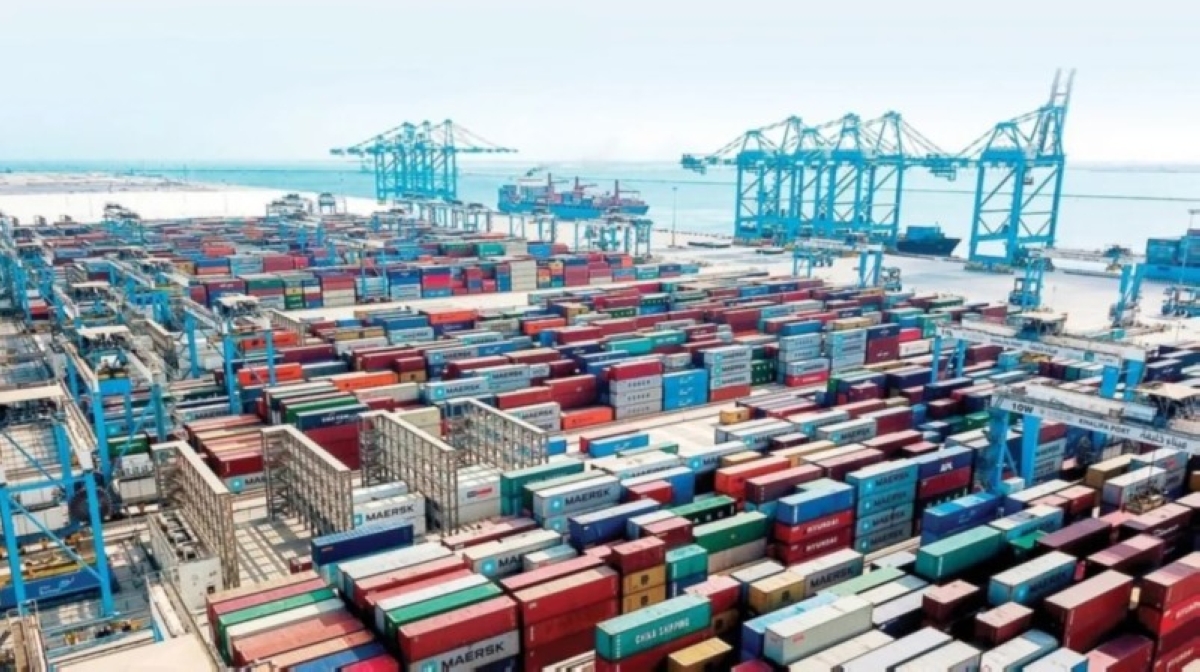
Geographically, King Abdulaziz Port in Dammam emerged as the busiest customs port, handling 25.7 percent of total imports. This highlights the strategic importance of the Eastern Province as a major logistics hub for the Kingdom. Efficient port operations are crucial for facilitating trade and supporting economic growth.
The increase in trade surplus is a positive development for the Saudi economy, providing additional resources for investment in Vision 2030 projects. These projects span a wide range of sectors, including tourism, technology, and renewable energy, all aimed at diversifying the economy and creating new opportunities for growth. The government has been actively promoting economic diversification through various initiatives and incentives.
Analysts suggest that the sustained growth in Saudi exports is also linked to increased global demand for certain Saudi products, as well as the Kingdom’s efforts to improve its competitiveness in international markets. These efforts include streamlining trade procedures, investing in infrastructure, and promoting Saudi products abroad. The Kingdom is also actively pursuing free trade agreements with key partners to further enhance its trade relationships.
Looking ahead, GASTAT is expected to release further detailed trade data for November 2025 and a comprehensive review of the year’s performance in early 2026. Monitoring these figures will be crucial for assessing the long-term sustainability of the current growth trajectory and identifying any potential challenges. The impact of global economic conditions and geopolitical events on Saudi trade will also be a key factor to watch in the coming months.
The continued success of Vision 2030 hinges on maintaining this positive momentum in non-oil exports and further reducing the Kingdom’s reliance on crude oil. While the current data is encouraging, sustained effort and strategic investment will be necessary to achieve the ambitious goals outlined in the plan. The development of a robust and diversified export economy remains a top priority for the Saudi government.