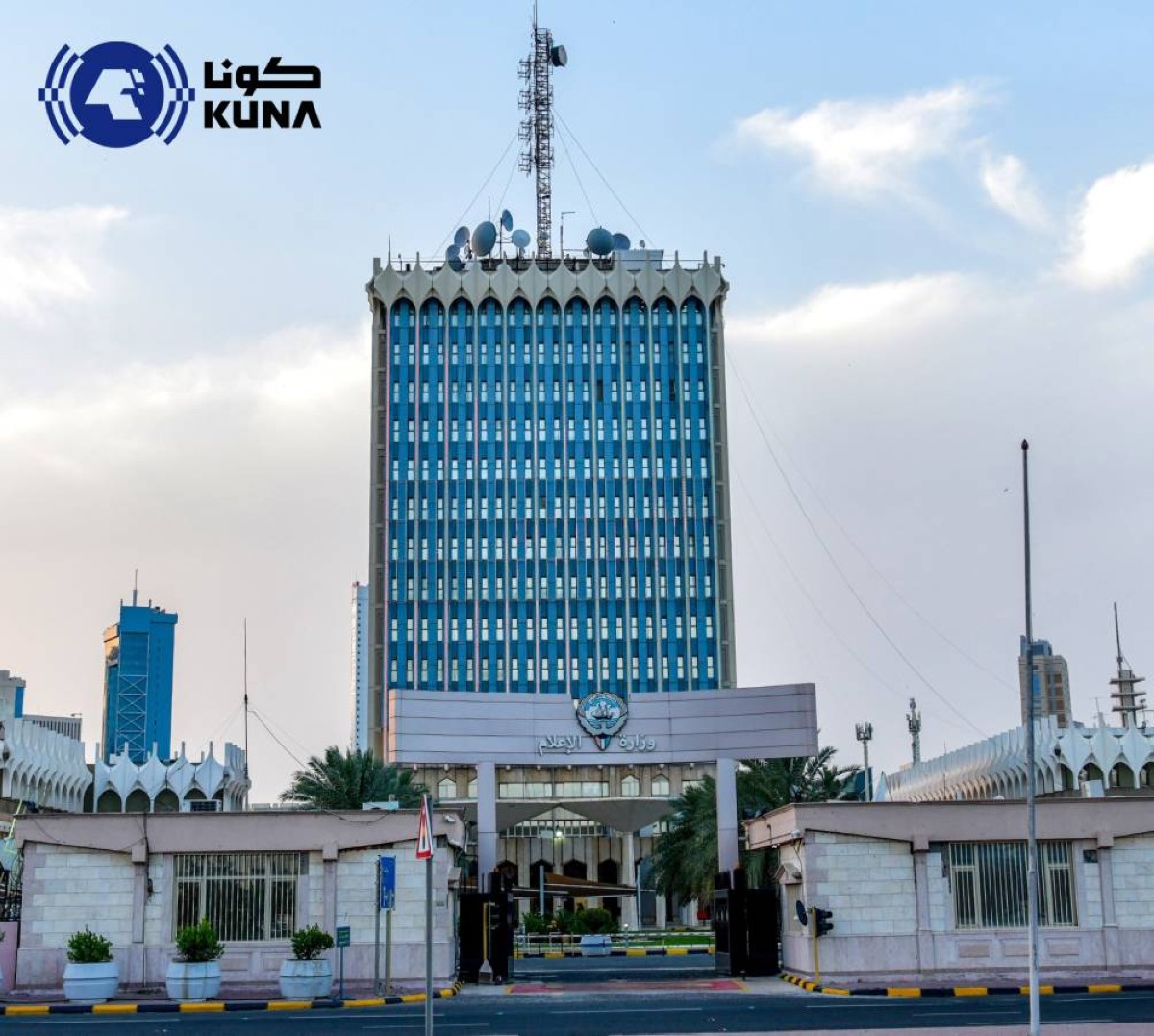

Kuwait is poised for a significant evolution in its media landscape with the Ministry of Information nearing completion of its ambitious new media strategy for 2026-2030. This comprehensive plan, developed with extensive input from both ministry personnel and key stakeholders within the Kuwaiti media community, aims to modernize and strengthen the nation’s approach to information dissemination and content creation. The strategy reflects a commitment to aligning with broader national visions and embracing the challenges and opportunities of the digital age.
A Collaborative Approach to Kuwait’s Future Media
The Ministry of Information’s announcement on Tuesday signals a move away from top-down policy making and towards a more inclusive, participatory model. This initiative, spearheaded by Minister of Information and Culture and Minister of State for Youth Affairs Abdulrahman Al-Mutairi, and overseen by Undersecretary Dr. Nasser Muhaysen, actively involved ministry employees and a diverse range of external partners. This collaborative spirit is central to the strategy’s potential for success, ensuring it accurately reflects the needs and aspirations of the Kuwaiti people.
Empowering Kuwaiti Professionals Through Training
A key component of this participatory approach was the launch of an internal volunteer program. This program specifically targeted qualified Kuwaiti employees, particularly those holding advanced degrees, offering them intensive training in crucial areas. The 80-hour curriculum covered strategic planning and analysis, facilitation techniques, conducting effective interviews and discussion panels, and the nuances of qualitative data analysis.
This investment in human capital demonstrates the Ministry’s commitment to building internal expertise and fostering a culture of continuous improvement. Volunteers dedicated over 480 hours to the analytical phase, highlighting their dedication and the value placed on their contributions.
Deep Dive: The Analytical Phase and Key Findings
The analytical phase of developing the media strategy was far-reaching, employing a robust scientific methodology that combined both qualitative and quantitative data. Researchers conducted in-depth interviews with senior leaders, organized sectoral panel discussions, and distributed internal surveys. Specialized focus groups and consultations were also held with a wide array of stakeholders, including content creators, media institutions, universities, women’s associations, and civil society organizations.
Furthermore, the Ministry sought external expertise, collaborating with the Arab Planning Institute to review and refine the strategic outputs. This thorough process focused on a comprehensive impact assessment, identifying the strengths, weaknesses, opportunities, and threats facing Kuwait’s media system. Crucially, the analysis also looked ahead, anticipating key trends that will shape the media landscape up to 2030, including the rise of digital media and the evolving information consumption habits of citizens.
Pillars of the 2026-2030 Media Strategy
Currently, the Ministry is in the final drafting phase, solidifying the vision, objectives, themes, and implementation initiatives of the new media strategy. These elements will be underpinned by clear performance indicators and a robust monitoring and evaluation system, ensuring accountability and allowing for adjustments as needed.
The strategy isn’t being developed in isolation. It’s designed to be fully aligned with the overarching “New Kuwait 2035” vision, a national development plan focused on economic diversification and improved quality of life. It also incorporates the United Nations’ Sustainable Development Goals (SDGs), demonstrating Kuwait’s commitment to global sustainability efforts. A significant emphasis is placed on embracing digital transformation and fostering a thriving knowledge economy.
Enhancing National Narrative and Public Trust
The Ministry envisions the 2026-2030 strategy as a comprehensive national framework for advancing Kuwaiti media. This includes enhancing its role in shaping a strong and positive national narrative, both domestically and internationally. Building public trust in media is another core objective, achieved through reinforcing professional standards and promoting ethical journalism.
The strategy also aims to cultivate responsible and innovative digital media, recognizing its increasing importance in the modern information ecosystem. This focus on innovation will be vital for supporting national development and ensuring Kuwait remains competitive in the global arena.
Looking Ahead: Implementation and Impact
The successful implementation of this new media strategy will be critical for Kuwait’s future. By fostering a more dynamic, responsible, and technologically advanced media sector, the nation can strengthen its democratic institutions, promote economic growth, and enhance its cultural identity.
The Ministry’s commitment to a participatory approach, coupled with its investment in training and rigorous analysis, suggests a strong foundation for success. The coming months will see the finalization and official rollout of the strategy, marking a new chapter in Kuwait’s media history. Stakeholders are encouraged to follow the Ministry of Information’s announcements for further details on implementation and opportunities for engagement.