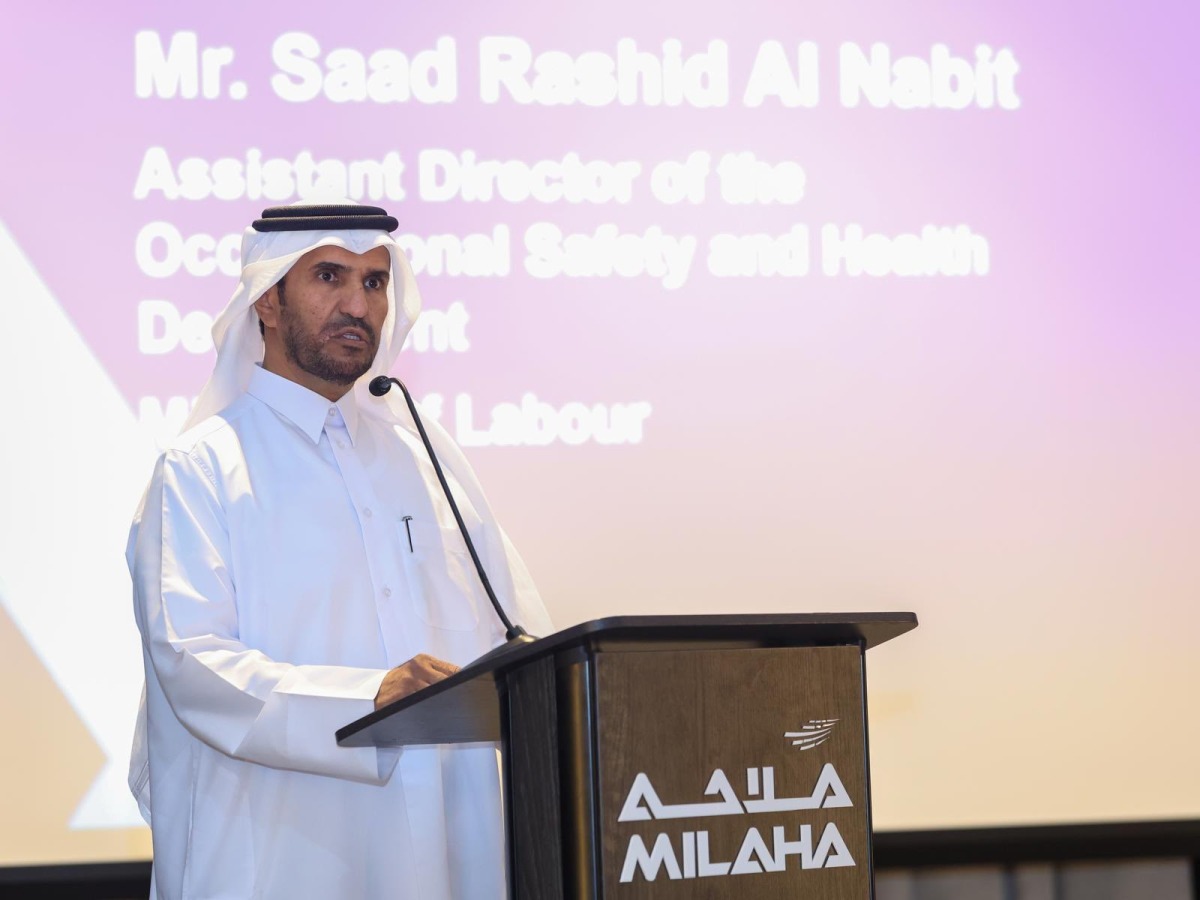

Doha, Qatar – The Ministry of Labour (MoL) of Qatar actively participated in the Milaha Group’s Workplace Wellbeing Forum on Thursday, reinforcing the nation’s commitment to workplace wellbeing and a healthy work environment for all. The forum, themed “Together Towards Balance,” focused on integrating employee health, resilience, and overall wellbeing into core business strategies for sustainable success. This event signals a growing emphasis on holistic employee care within Qatar’s evolving labor landscape.
Held in Doha, the forum brought together experts from both the public and private sectors to discuss best practices and innovative approaches to fostering a positive and supportive work culture. The Ministry of Labour’s involvement underscores its dedication to not only ensuring worker safety but also promoting mental and physical health as key drivers of productivity and economic growth. The event featured presentations and discussions aimed at practical implementation of wellbeing initiatives.
The Growing Importance of Workplace Wellbeing in Qatar
Qatar has been steadily increasing its focus on labor standards and worker welfare, particularly in the lead-up to and following the 2022 FIFA World Cup. This shift is driven by both international scrutiny and a recognition that a healthy and engaged workforce is essential for achieving the goals of Qatar National Vision 2030. The Ministry of Labour has introduced several reforms aimed at improving working conditions and protecting workers’ rights.
According to the Ministry, workplace wellbeing is no longer considered a peripheral benefit but a strategic investment. This investment yields returns in the form of increased productivity, improved quality of work, and reduced operational costs associated with employee turnover and absenteeism. Furthermore, a positive work environment fosters creativity and innovation, contributing to long-term organizational success.
Mental Health Takes Center Stage
A significant portion of the forum’s discussions centered on mental health in the workplace. Experts highlighted the increasing prevalence of stress, anxiety, and burnout among employees, and the need for organizations to proactively address these issues. The Ministry of Labour emphasized the importance of creating a supportive environment where employees feel comfortable seeking help and accessing mental health resources.
Presentations detailed the positive impact of implementing mental health programs, including employee assistance programs (EAPs) and mental health awareness training. These programs can help to destigmatize mental health issues and encourage early intervention, ultimately leading to a healthier and more resilient workforce. The discussion also touched upon the role of leadership in promoting a culture of psychological safety.
Balancing Professional and Personal Life
The forum also addressed the importance of work-life balance, recognizing that employees thrive when they have the opportunity to pursue interests and maintain relationships outside of work. Milaha Group speakers shared insights into initiatives designed to support employees in achieving a better balance, such as flexible work arrangements and wellness programs. These efforts aim to enhance employee satisfaction and reduce the risk of burnout.
However, achieving true work-life balance requires a collective effort from both employers and employees. Organizations must be willing to adapt their policies and practices to accommodate the needs of their workforce, while employees must be empowered to prioritize their wellbeing and set boundaries. This reciprocal relationship is crucial for creating a sustainable and thriving work environment.
The event highlighted the connection between employee wellbeing and broader sustainability goals. Investing in the health and happiness of workers is seen as a fundamental aspect of responsible business practices and contributes to the long-term viability of organizations and communities. Relatedly, discussions touched on the importance of international labor standards in shaping ethical workplaces.
Looking ahead, the Ministry of Labour is expected to continue developing and implementing policies aimed at promoting workplace health and safety. Further details regarding specific initiatives and timelines are anticipated in the coming months. The success of these efforts will depend on ongoing collaboration between the government, employers, and employees, as well as a continued commitment to prioritizing the wellbeing of Qatar’s workforce. Monitoring the impact of these programs on key indicators such as productivity, employee retention, and reported stress levels will be crucial for assessing their effectiveness and making necessary adjustments.
The Ministry also indicated a potential review of existing regulations related to occupational health and safety to align with evolving best practices and address emerging challenges in the workplace. Stakeholders are watching for announcements regarding potential amendments to the labor law and the introduction of new guidelines on mental health support and work-life balance.